My notes and thoughts on the research that I carried out on Performance Art and action painting.
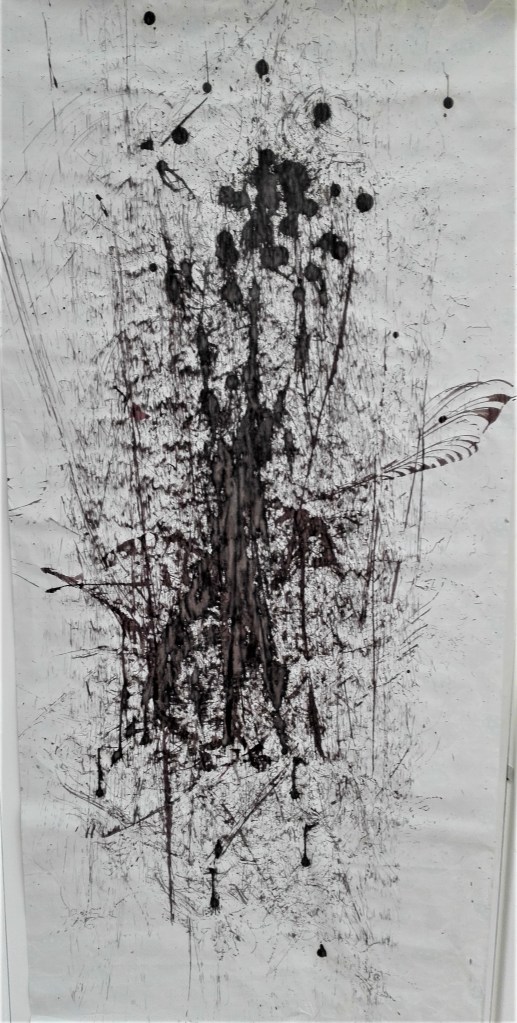
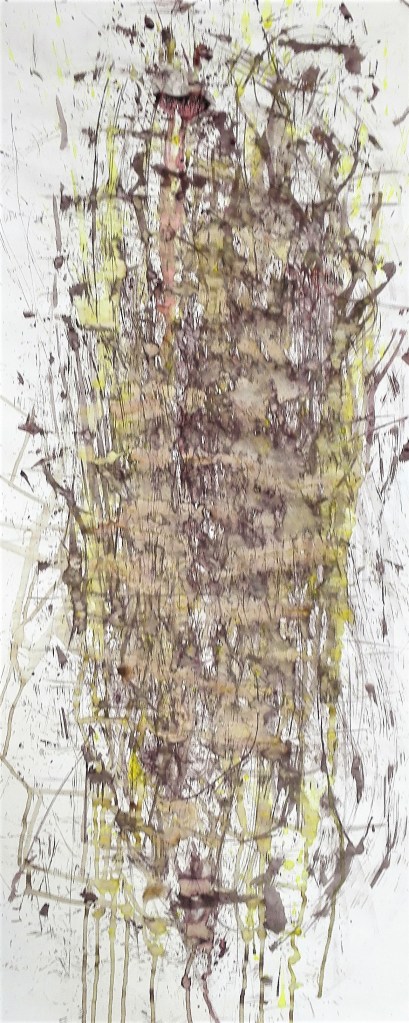
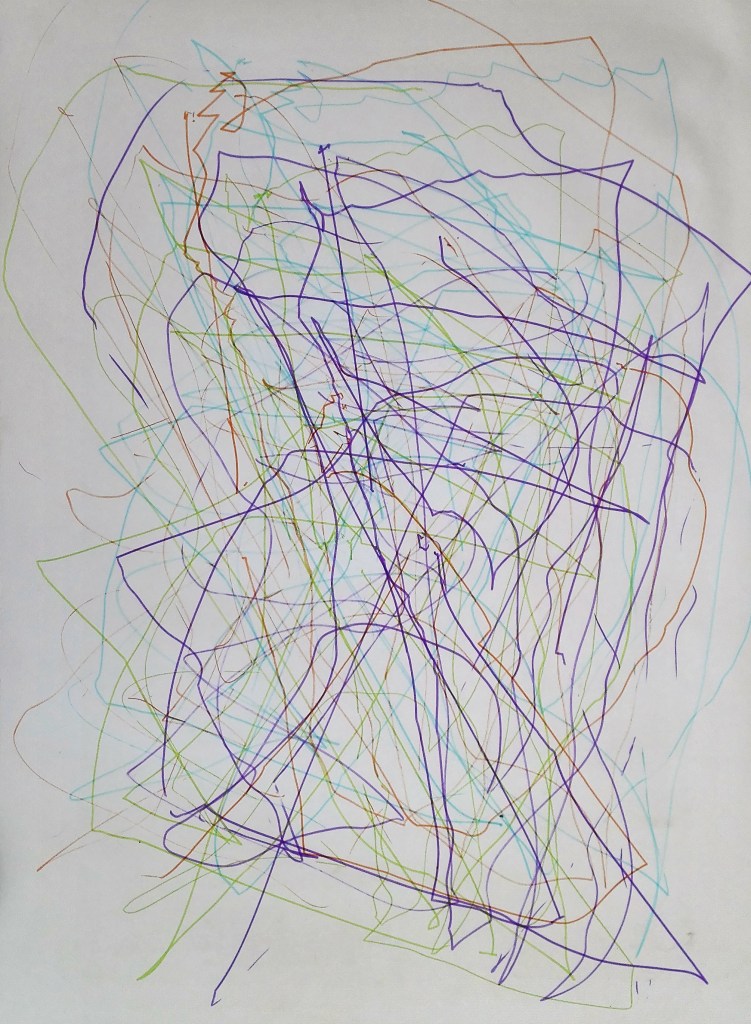
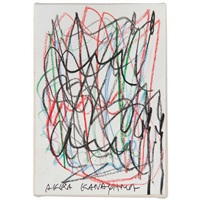
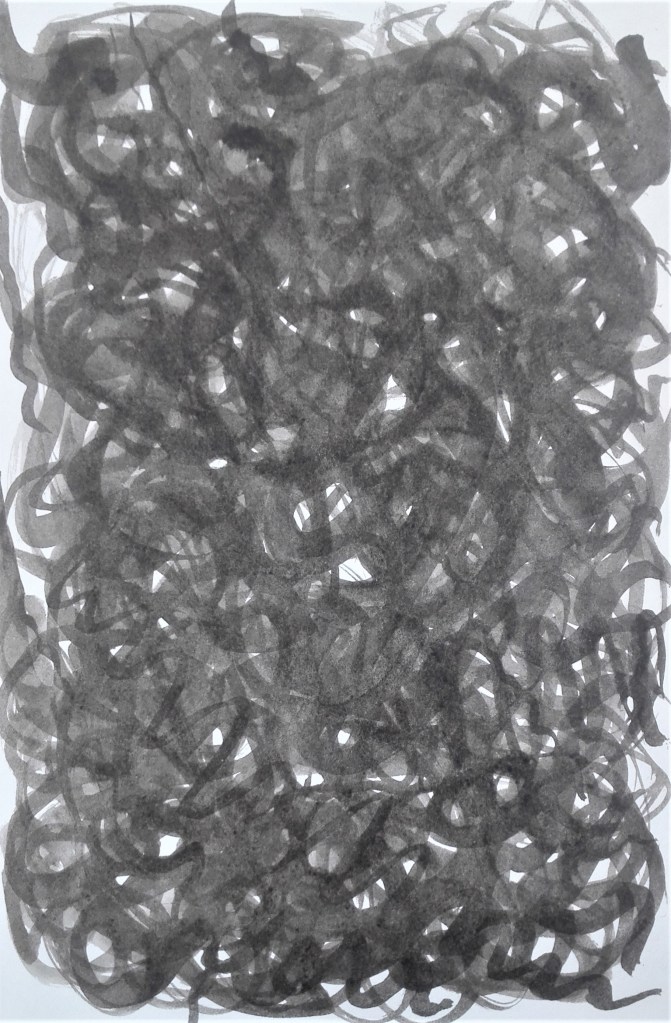
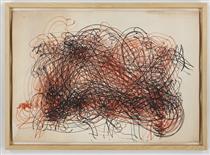
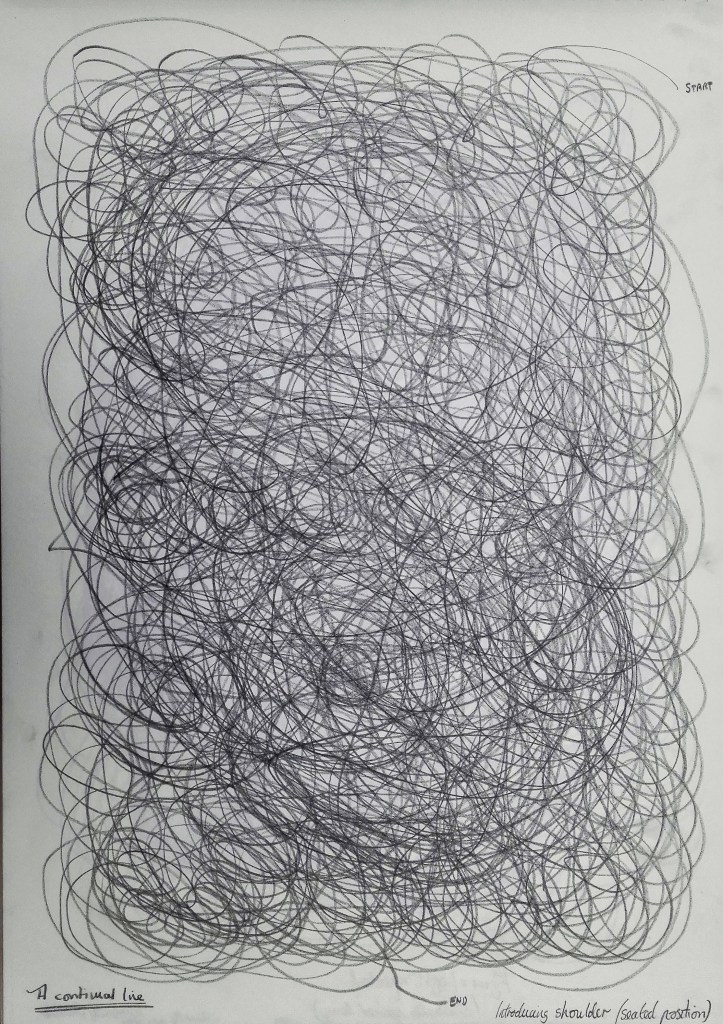
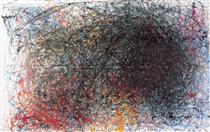
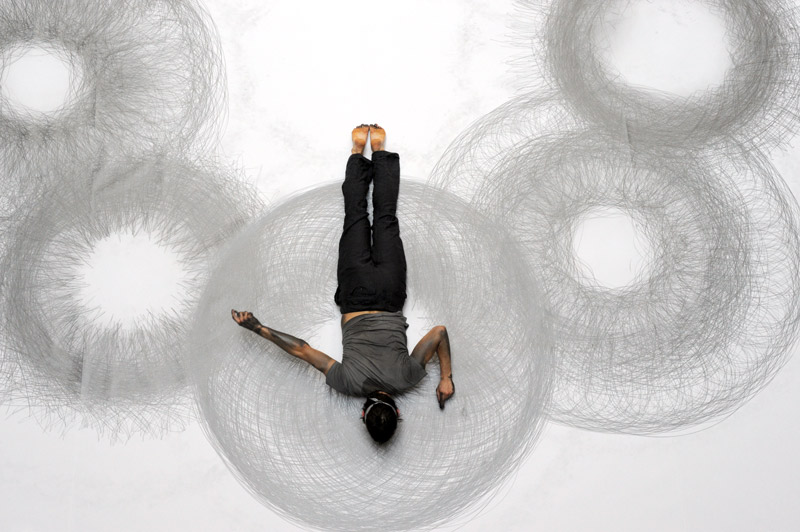
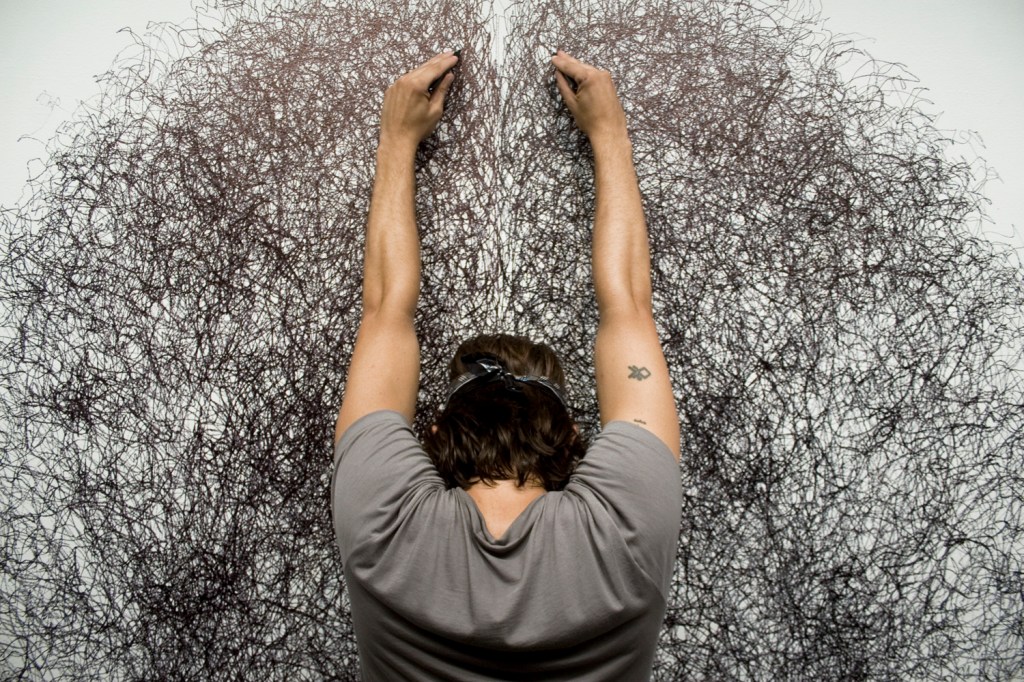
The starting point was Jackson Pollock, reading the blog by Kirsty Beavan I noted the reference to Pollock moving around the canvas in a kind of dance and the painting acting as a record of his movement and gesture as much as the finished works themselves.
This can be observed in Hans Namuth’s film of Jackson Pollock which depicts Pollock at work using random but controlled actions and gesture, flicks of paint in lots of layers. I particularly noted a comment that Pollock made when working on a painting on glass, “I lost contact with the painting”. I can relate to this comment as I have found on numerous occasions that my enthusiasm for a painting that I have been working on wanes when the outcomes are less than expected. I find that I then become unengaged with the work and it becomes a chore to complete it. Perhaps I should adopt Pollock’s approach and abandon the work.
The term action was first used by Harold Rosenberg however he wasn’t the first to suggest the idea of painting as a site of spontaneous action. It was not only Western art that was looking at different ways of painting. In 1954 Japan the ‘Gutai Movement of Concrete Art’ took these ideas and explored some of the possibilities. An example of which is Shiraga’s ‘Challenge to the mud’ 1955 in which the artists rolled half naked in a pile of mud. In another painting he used his feet. The Gutai artists also created painting using actions removed from the body including smashing bottles of paint or firing paint at the canvas using small hand made canons.
Back in America Jim Dine in a piece called ‘ The Smiling workman’ he dressed himself in Joker like make up, drank from pots paint whilst painting the words, ‘I love what I am on a canvas’ Finally he poured the remaining paint over himself and jumped through the canvas.
Robert Rauschenberg took to appearing on stage with a band ironing a shirt and later towards the end of the tour he would produce a different painting each night. Yves Klein reduced painting down to a single monochromatic colour, his favourite being Blue and produced canvases of this single colour. In other works he used naked female bodies to paint with. The events were attended by an audience creating and accompanied by a single note composition.
Most, but not all, of this art was from a male perspective and therefore a female response was needed. Amongst those that did were Carolee Schneemanns who used naked female bodies as living paint brushes, she saw her body as an integral material. Niki de Saint-Phalle experimented with shooting paintings whereby she fired a shotgun at paint filled balloons which were attached to a large assemblage. The Japanese artist Shigeko Kubota took a more intimate approach whereby she pinned a paintbrush to het knickers and squatted on a large piece of paper to create gestural marks. Janine Antoni’s ‘Loving Care’ was created by the artist soaking her hair in dye and proceeding to mop the floor of the gallery.
A snippet of a commentary on performance art is replicated below.
“In considering the materiality of paint, the artist referenced previously, creatively explored its potential as a medium, beyond its capacity to visually render representative imagery. Simultaneously the very act of painting was explored as a means of creative expression in its own right. these artists and there artworks therefore speak to the complicated ways in which paint, and painting, serves not only as a visual medium, but as a performative one.”
In her piece “The Curse of the brush” Shozo Shimanoto points to the liberation of paint as an entity in its own right.
Considering this statement and the impacts of the artists and work mentioned above I would summarise in my own words.
“The brush is seen as a slave master forcing the paint to act and behave in strict conventional ways. Let the paint break free of these chains and reveal its own identity.”
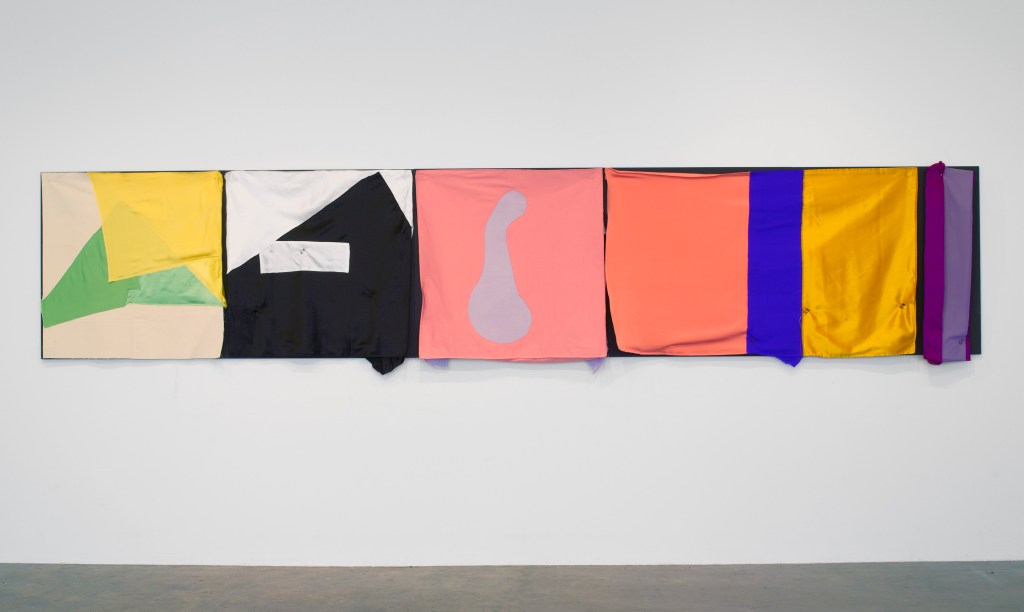
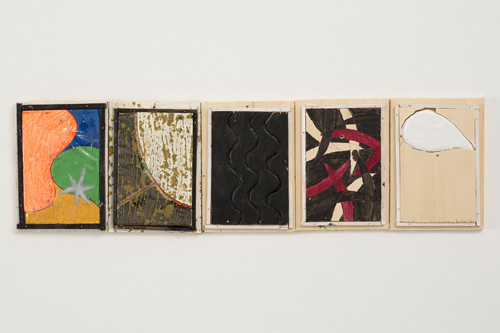
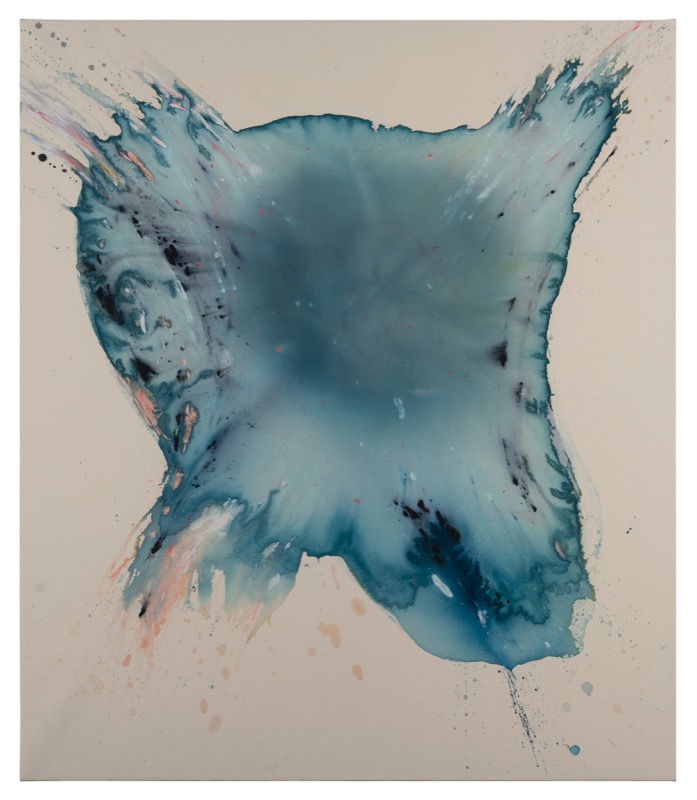
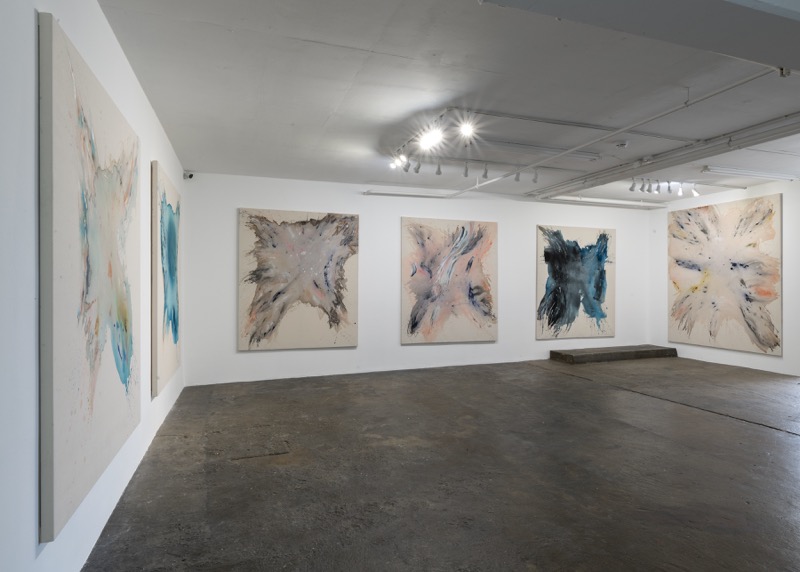
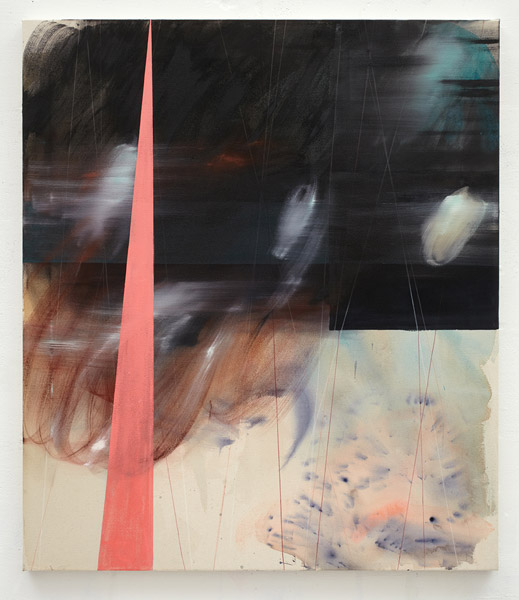
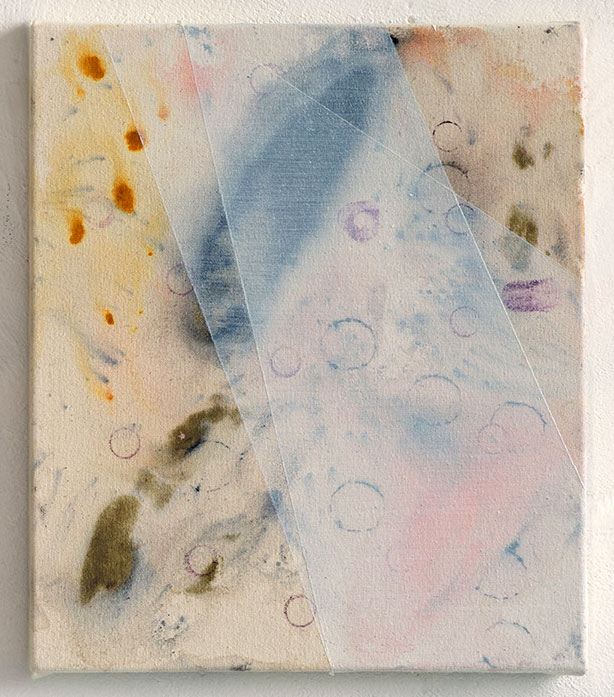
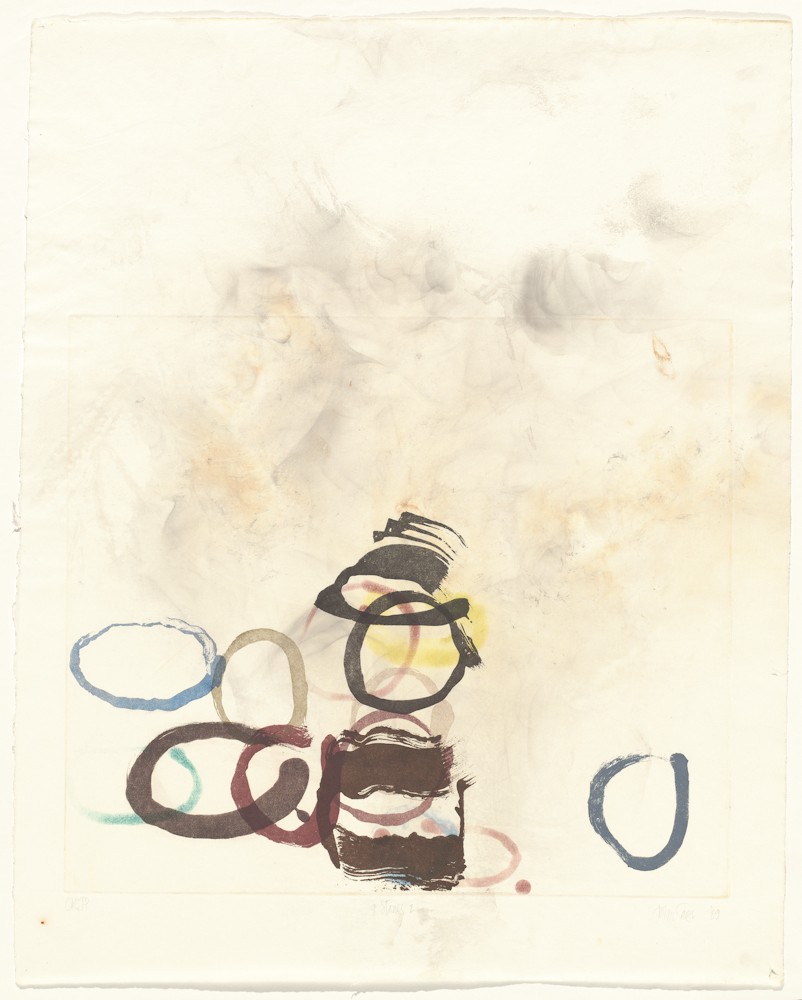

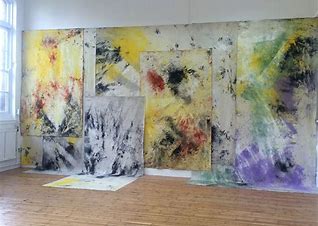


 Mark Taylor 'Studio Practice'