11. Simon Carter (16/5/2020), artist based on the Essex coast. I have reproduced sections from his artists statement.
“I use the elements of the coast, the creeks and estuaries, saltings and seawalls as an archive of shapes and colours, of weather and objects. I try to find dynamism and passion in the paint that will match those oin the landscape whilst retaining a structural clarity that allows fact to become something pictured and true.”
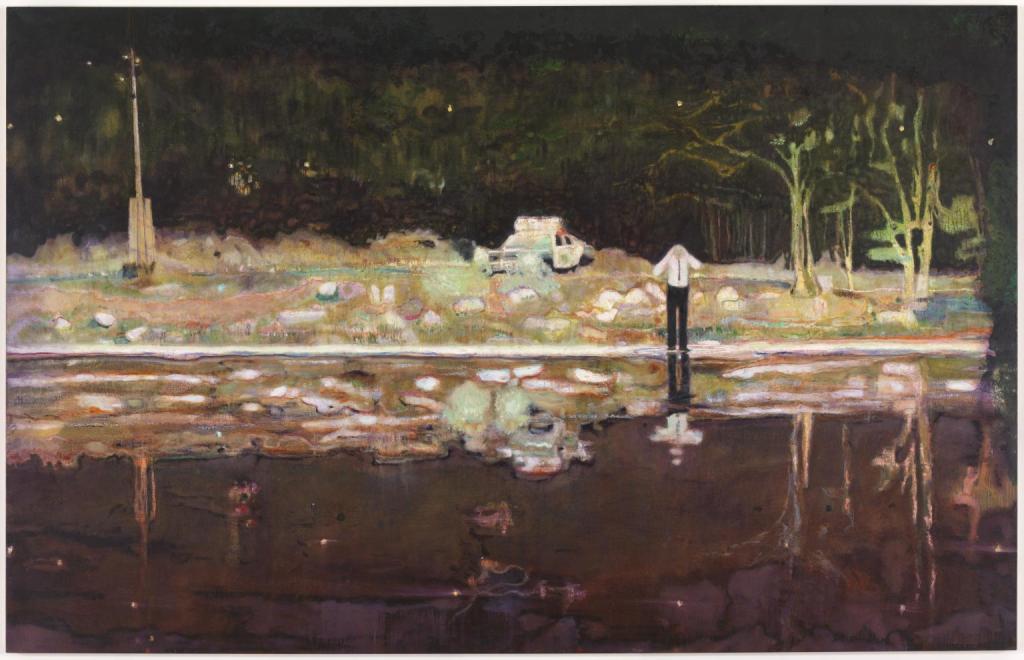
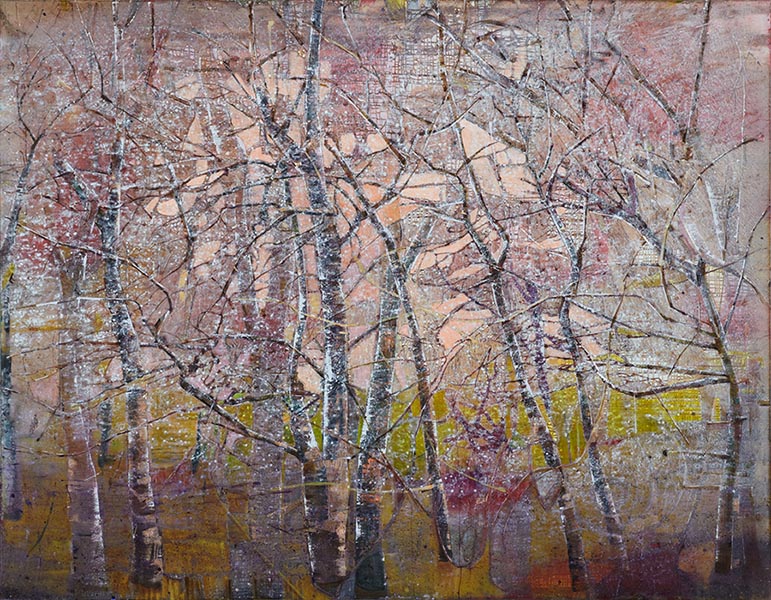
To me the words are more descriptive than the paintings. although these are two amongst the six that I enjoy as I can see a link between that landscape experienced and the painting, these are shown below.
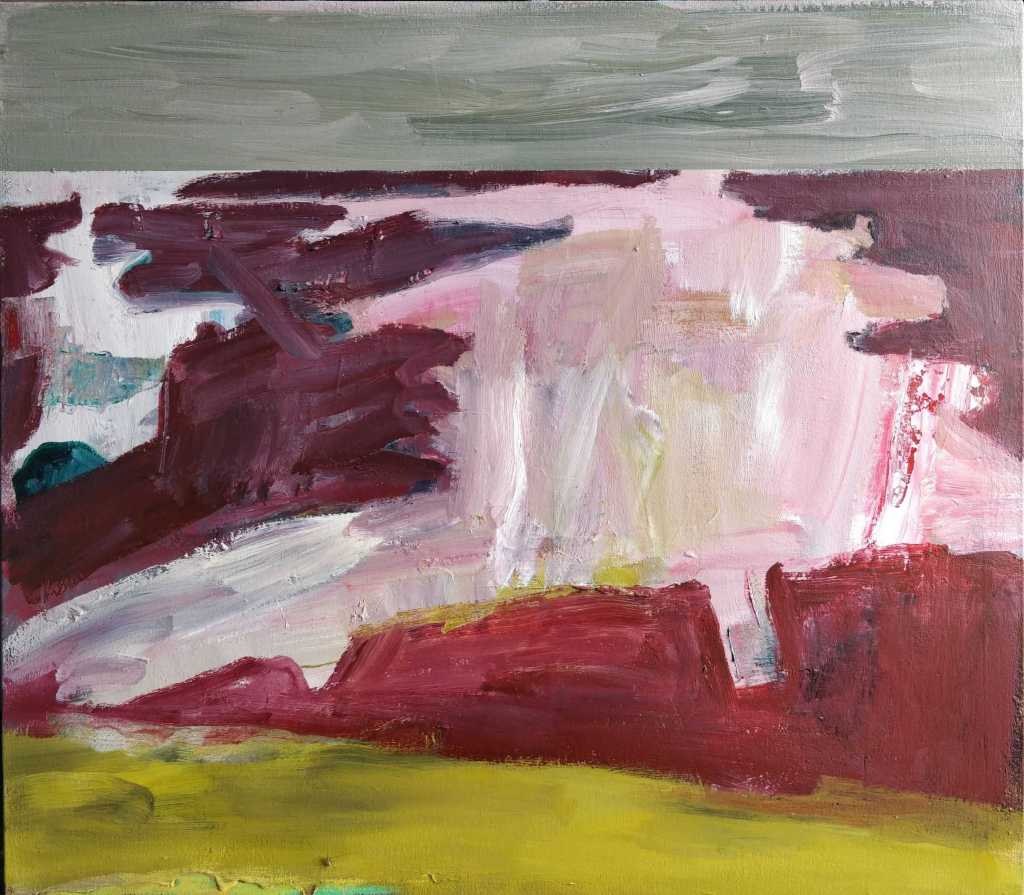

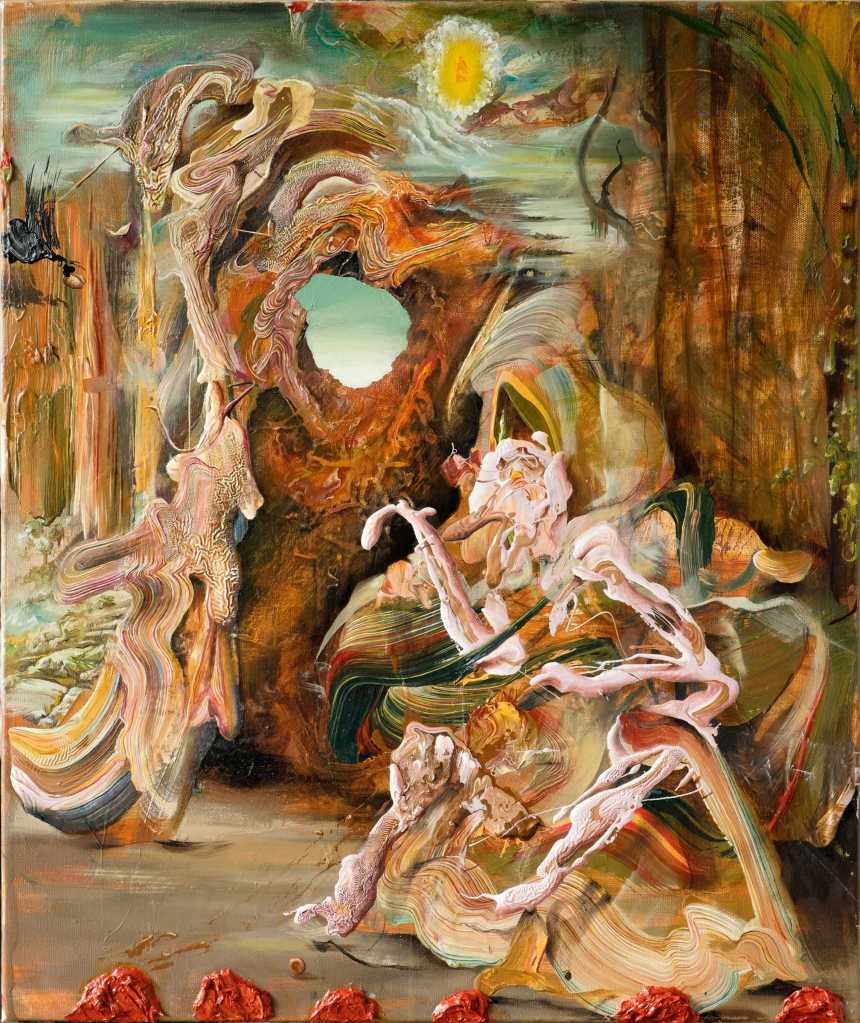
12. Jules Clarke (18/5/2020), the fluidity of paint is used to explore one moment becoming another, allowing figures and their environment to break down. working from photographs on screens allowing both image and surface interference to direct the painting. I noted that all the painting in the selection of six were the same size, 50x40cm. On further investigation into the artist’s website I noted that she seems to work on collections of paintings of the same dimensions. The paintings themselves emerge as blurred and shimmering as the two examples below show.
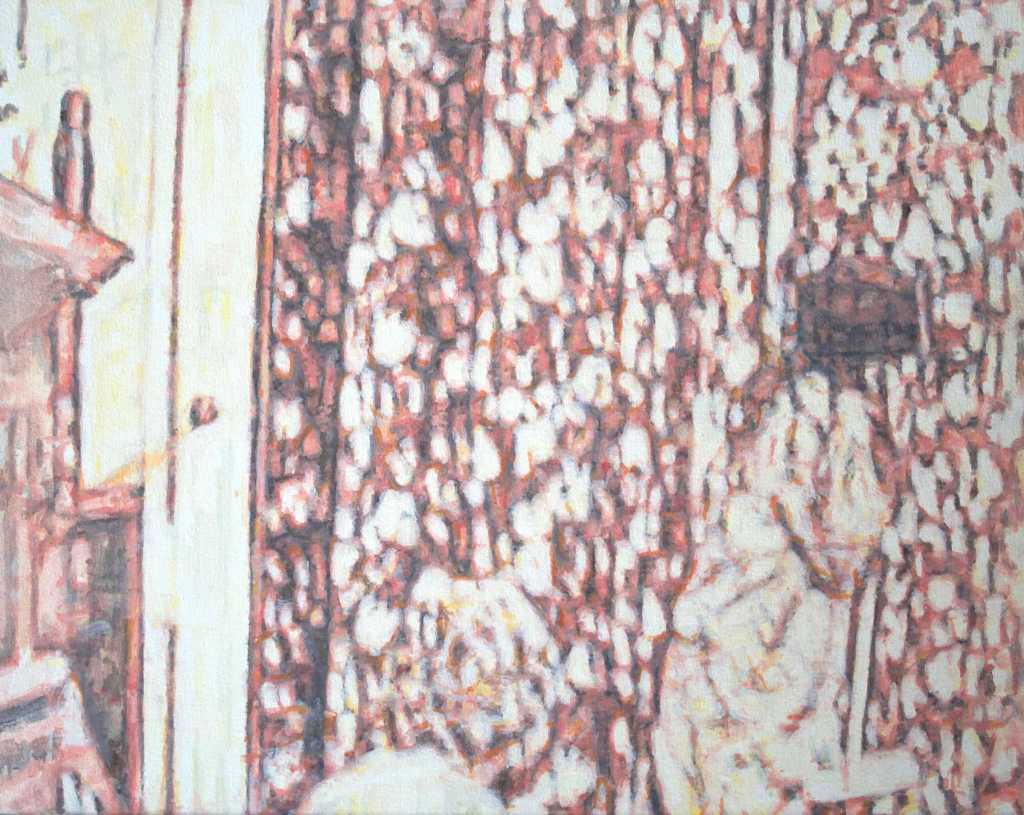

In both paintings there is a suggestion of human form, a ghostly presence somewhere between this world and another.
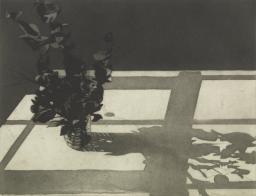
I was reminded of a short video clip that I had shot which shows shadows and light silhouetted on our living room floor.
13. Deb Covell, (19/5/2020), her practice is concerned with bringing a form into being by exploring the material and sculptural potential of paint.
Technique: painting layers of acrylic paint onto stretched plastic sheets which are then peeled off to create a support. These are then creased, cut and collapsed. The colour tends to be singular with the reflected or ambient light creating tone and revealing texture in the work. some of the paintings are quite small including the example below which has dimensions of 18x28cm. The technique would be interesting to try out.

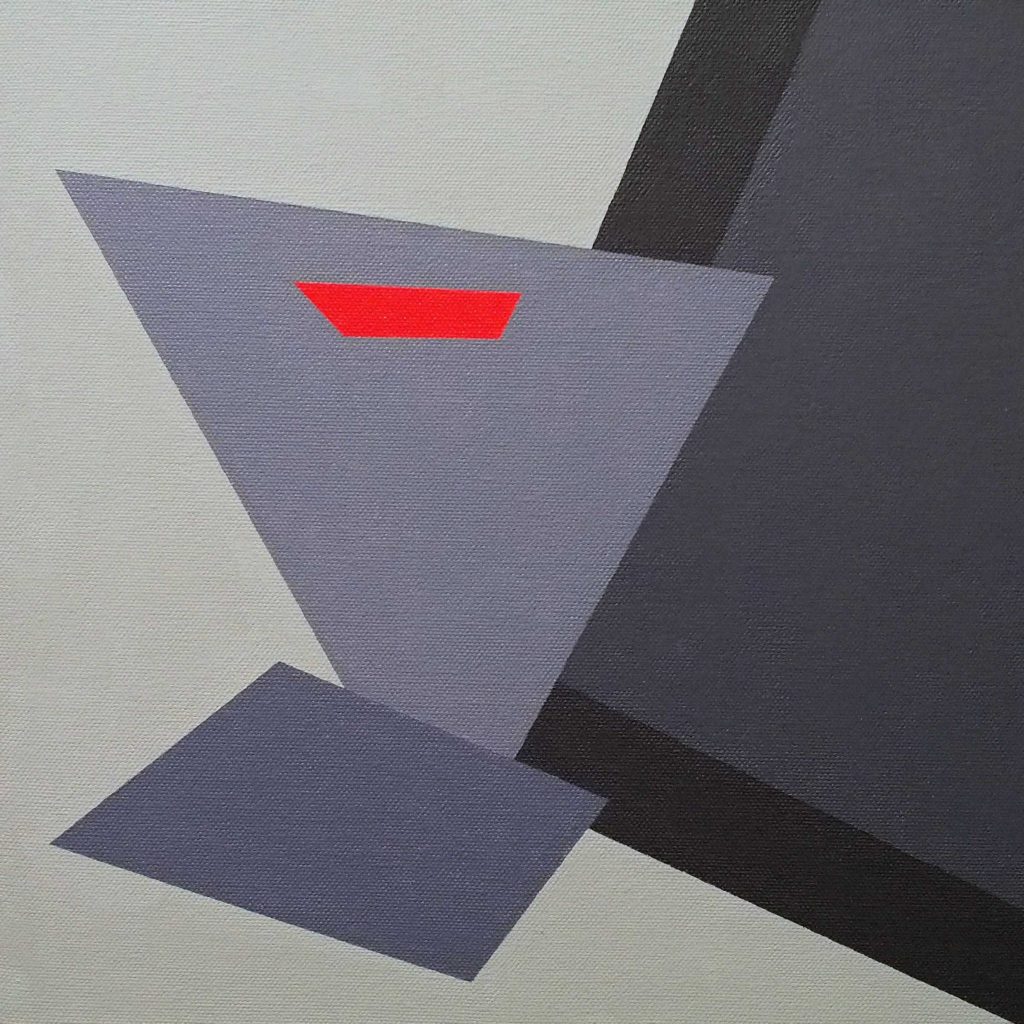
14. Lucy Cox, (21/5/2020), initial impact. Plying with shapes and perspectives. Notes from artist’s statement: Spatial ambiguity, a fascination with the relationship between two and three dimensional space, colour and rhythm, and figure and ground.
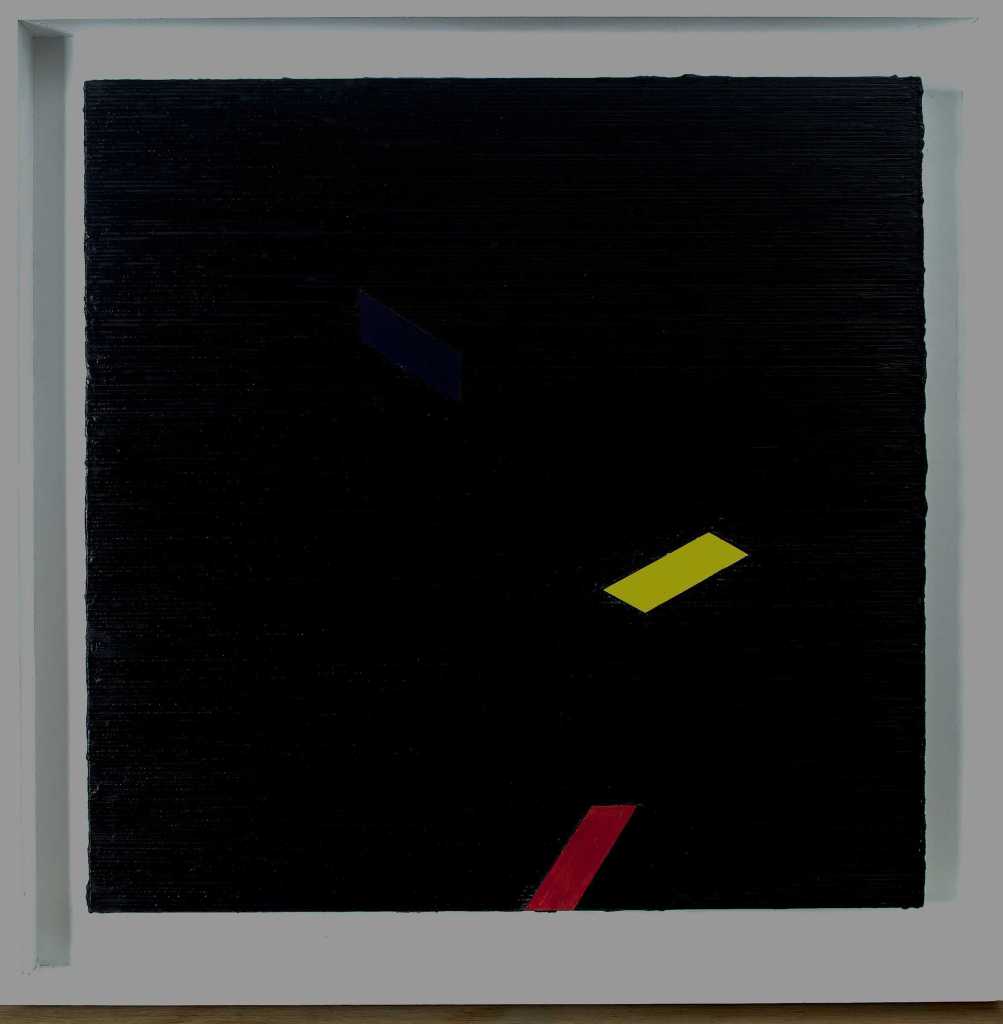
My thoughts: The Chair, acrylic on canvas 30x30cm, 2019, shown below.
Simple shapes, skewed perspectives and a minimal colour palette of, off white, greys and black with a small rectangular red section. The composition suggests a chair without quite resolving it. I found the other three paintings less interesting, they had a collage aspect. Two of them reminded me of Matisse’s snail but less refined. On closer inspection on the artist’s website the close up reveal more interest in the coloured shapes, patterns and textures are found.
15. Andrew Crane, (23/5/2020), Self taught painter who studied graphics at the Central school of art. A love of letter forms, numerals and the written word. Sometimes uses cement as a medium.
Quote from artist’s statement “Lately when I show up at a canvas my head is pretty empty. This ‘not knowing’ hold fear and excitement in equal measure, but with trust comes progress and the fear receded. colour and the touch of the brush on canvas is more prevalent now, like sharing of intimate vulnerability”.
The six paintings shown are abstract works. The titles indicate the mood or the subject, give a suggestion as to what is being portrayed. It seems it is then for the observer to discover the meaning, if there is one at all. Blocks of colour, rectanguar.
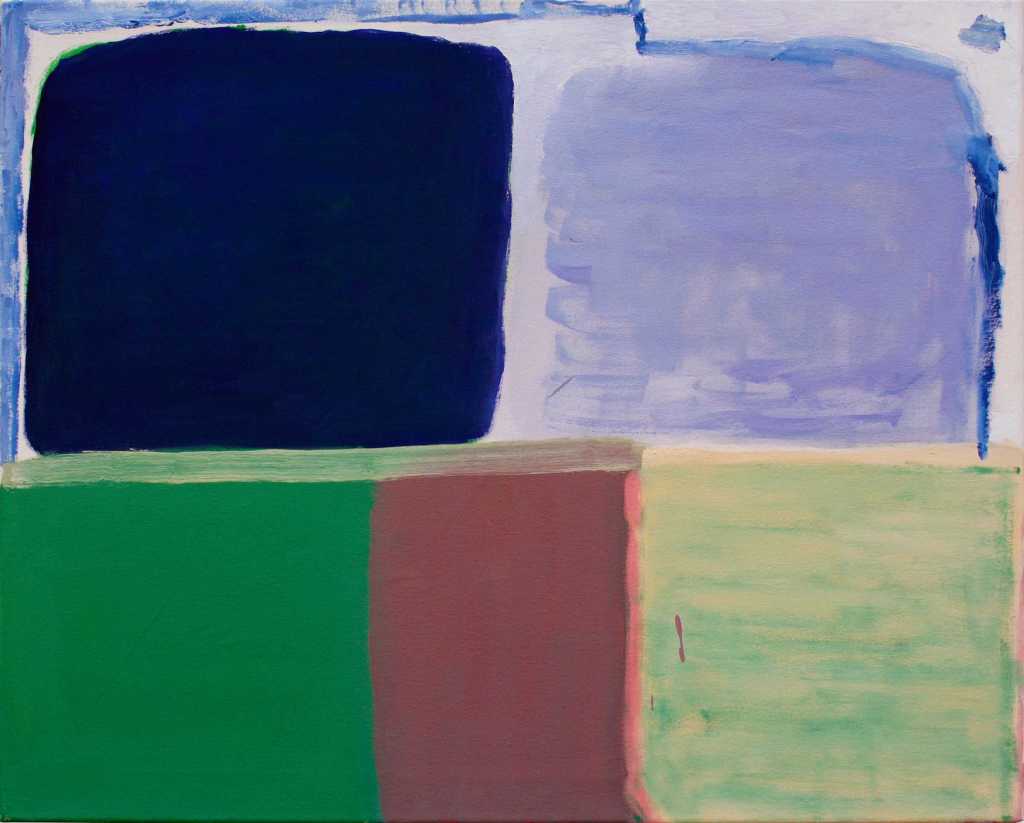
16. Gordon Dalton, (24/5/2020) No links or other information.
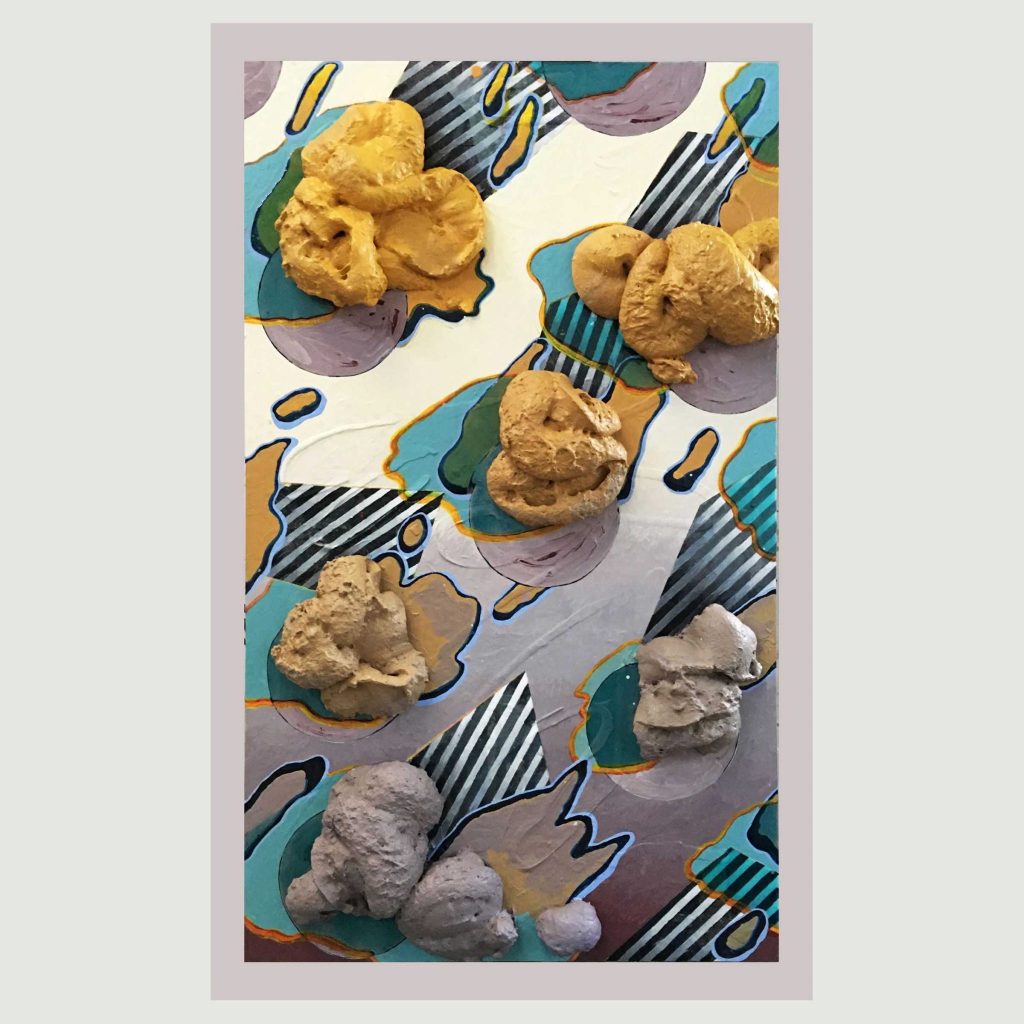
17. Pen Dalton, (24/5/2020), an artist involved in socially contextualised arts and feminist art proactive in issues of identity, sexuality and subjectivity.
Modernist abstract paintings using acrylics and other materials, often involving repeated but subtlety changing patterns. suggestions of human form or human detritus. The painting chosen is titled ‘Gutsy’ which was made using acrylic paint, expanded foam, screen printed Tegujo paper on board. The expanded foam creates a three dimensional aspect to the painting taking on the look of blobs of ice cream or peanut butter. It has a Pop art look and feel to it.
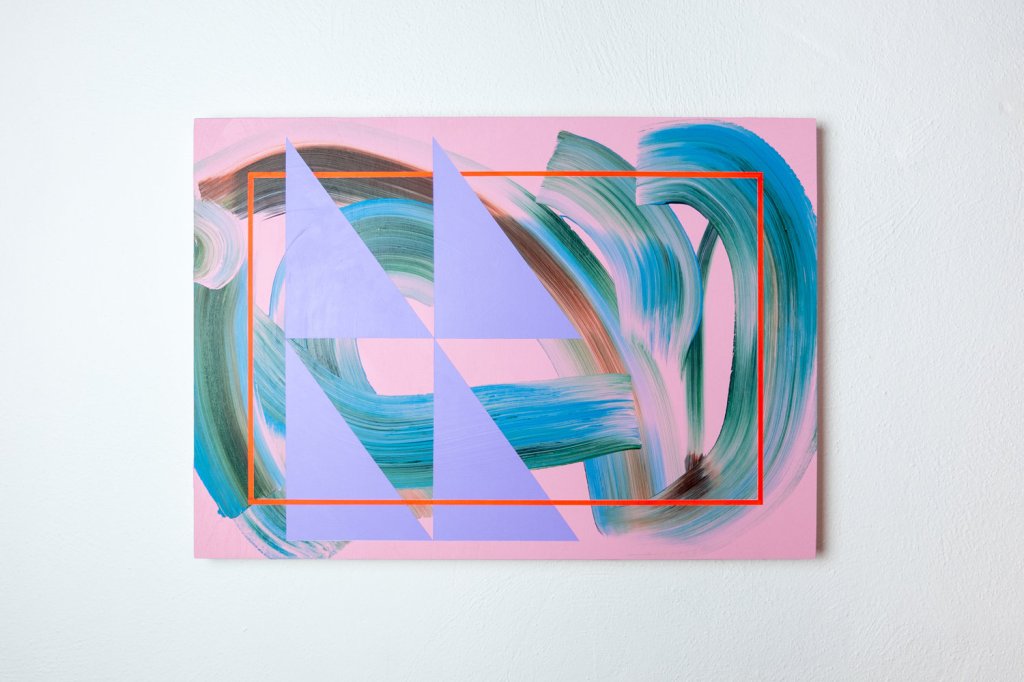
18. Jeff Dellow, (25/5/2020), Contemporary abstract artist, member of the London group. I found the script accompanying the paintings distracting, they didn’t help me to understand the work or the artist’s intentions. I spent a while just looking at the six paintings and choose one of the to explore. ‘Azure’ it reminded me of the dazzling brightness of a Mediterranean harbour.

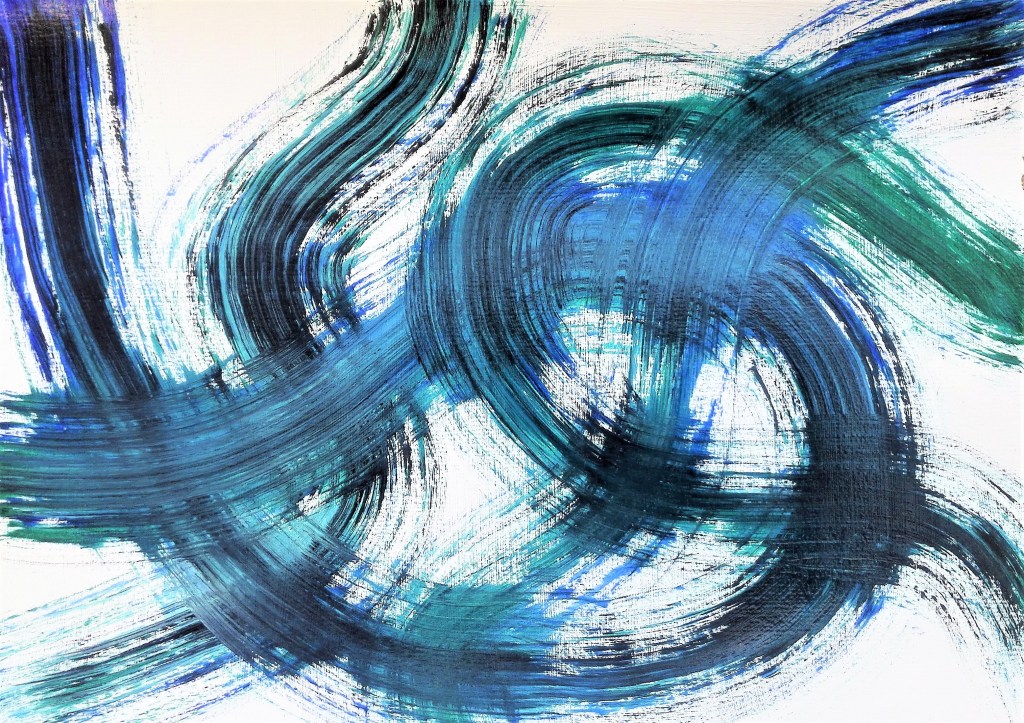
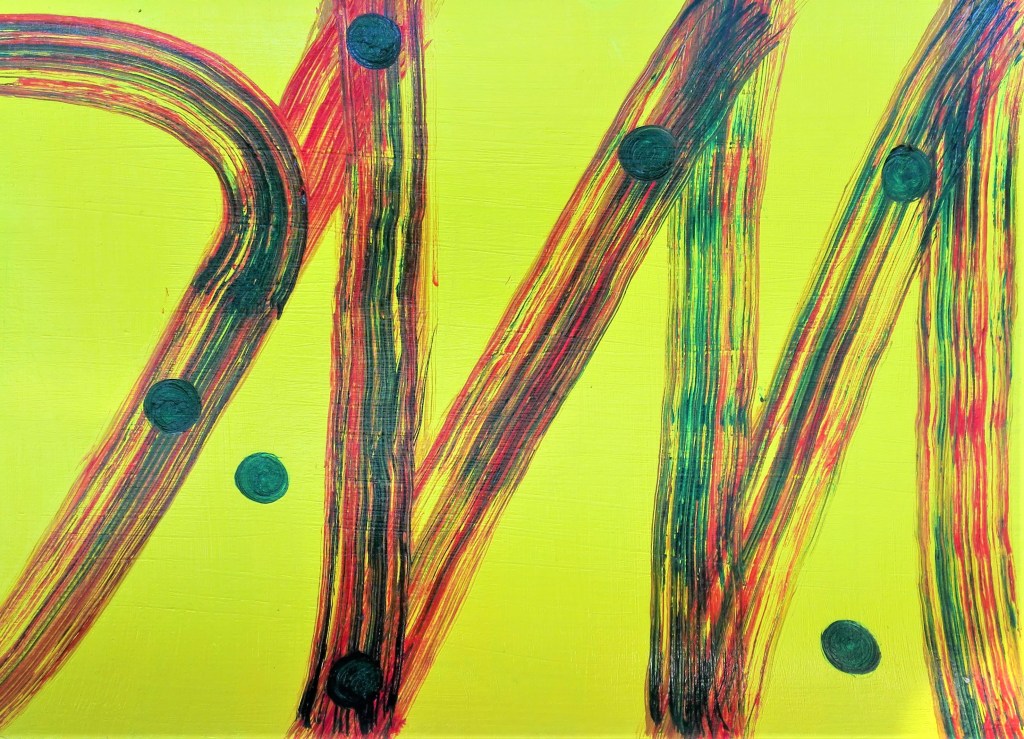
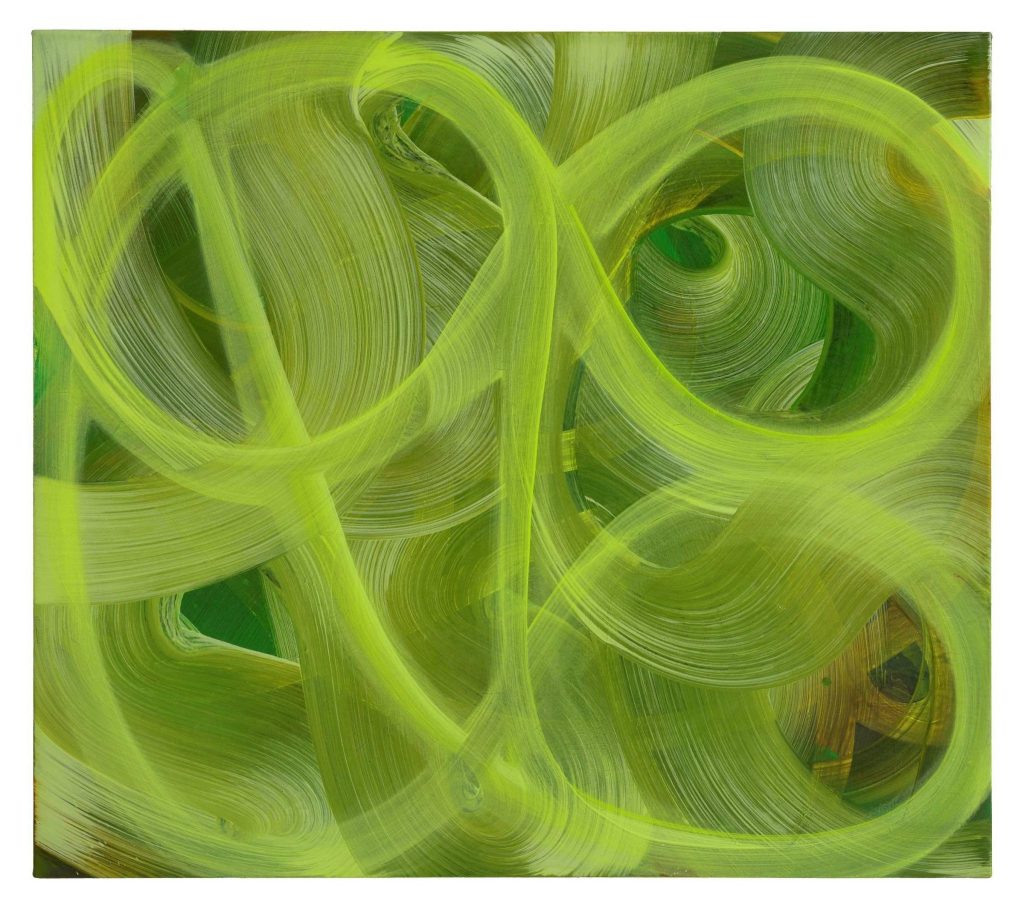
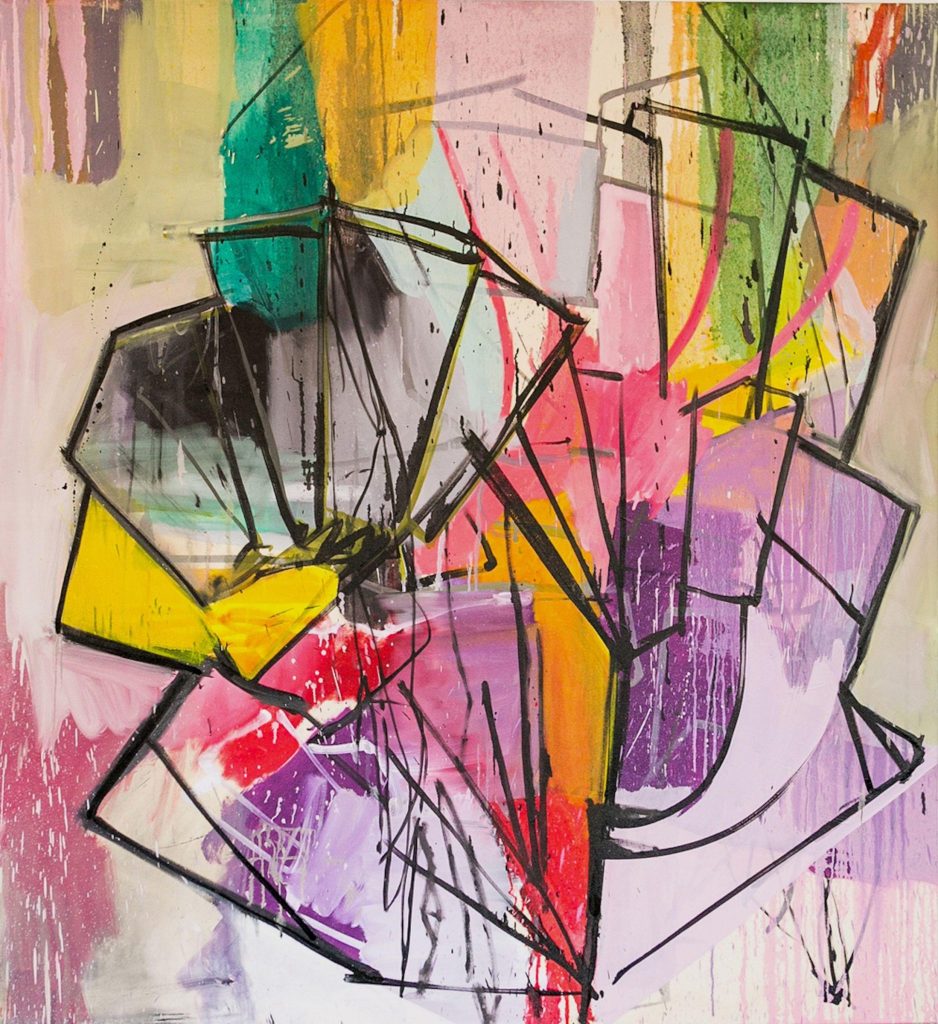
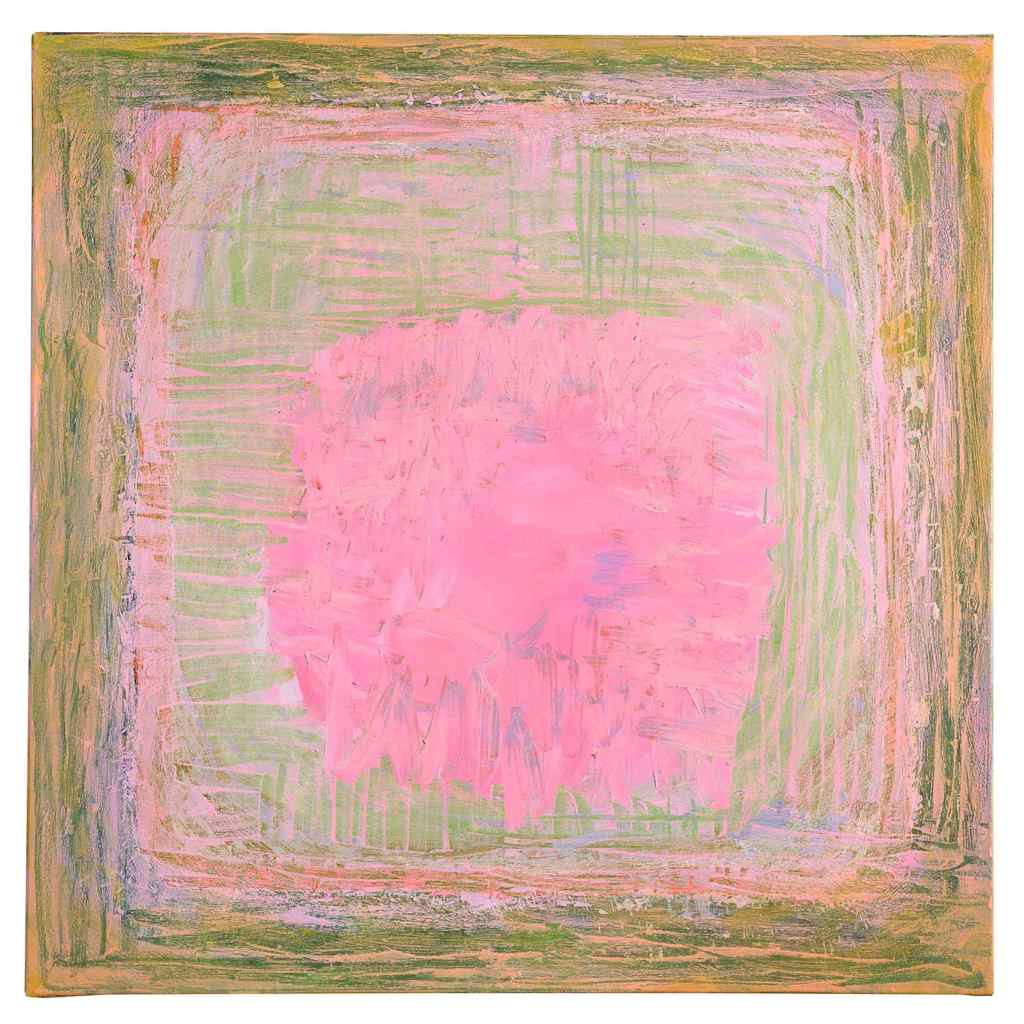
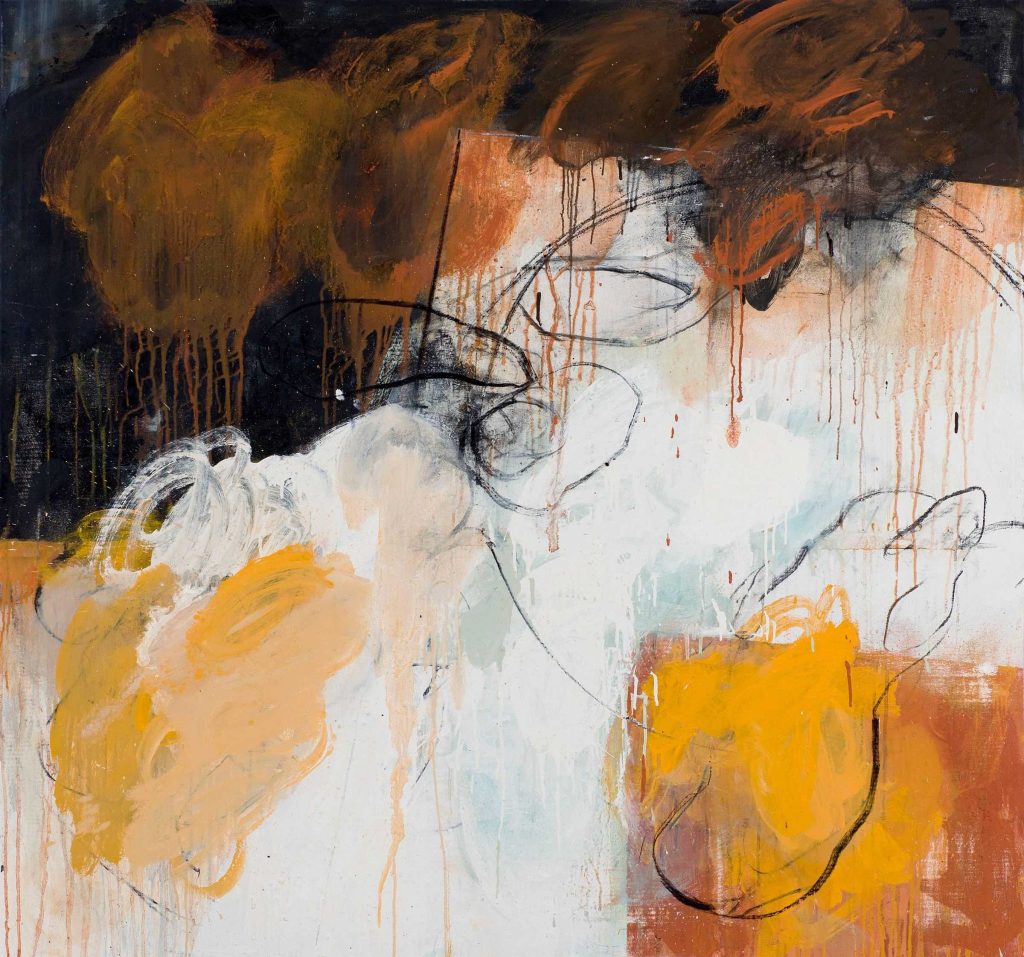
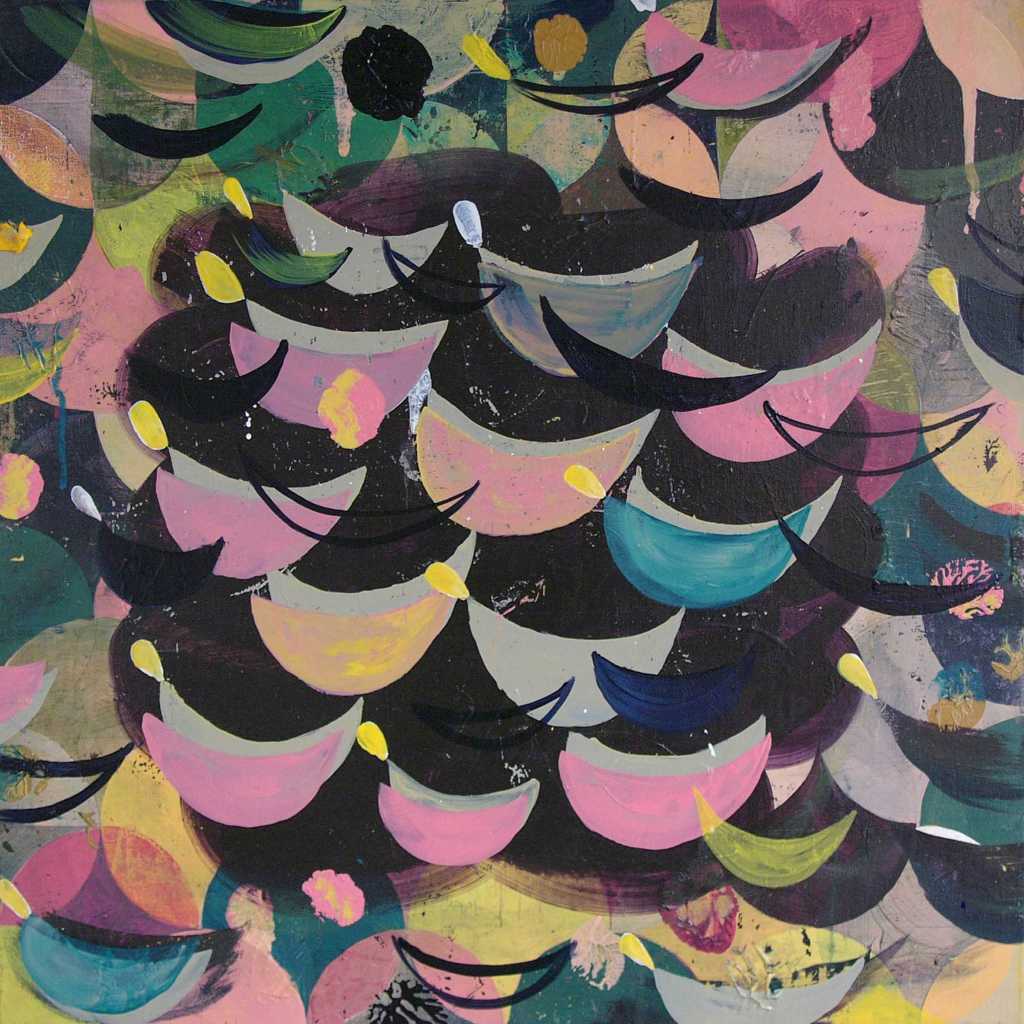
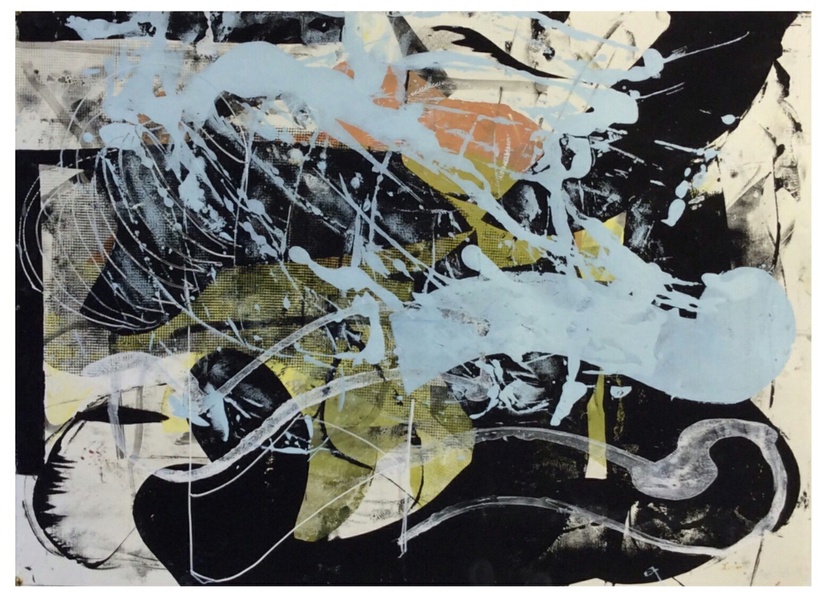
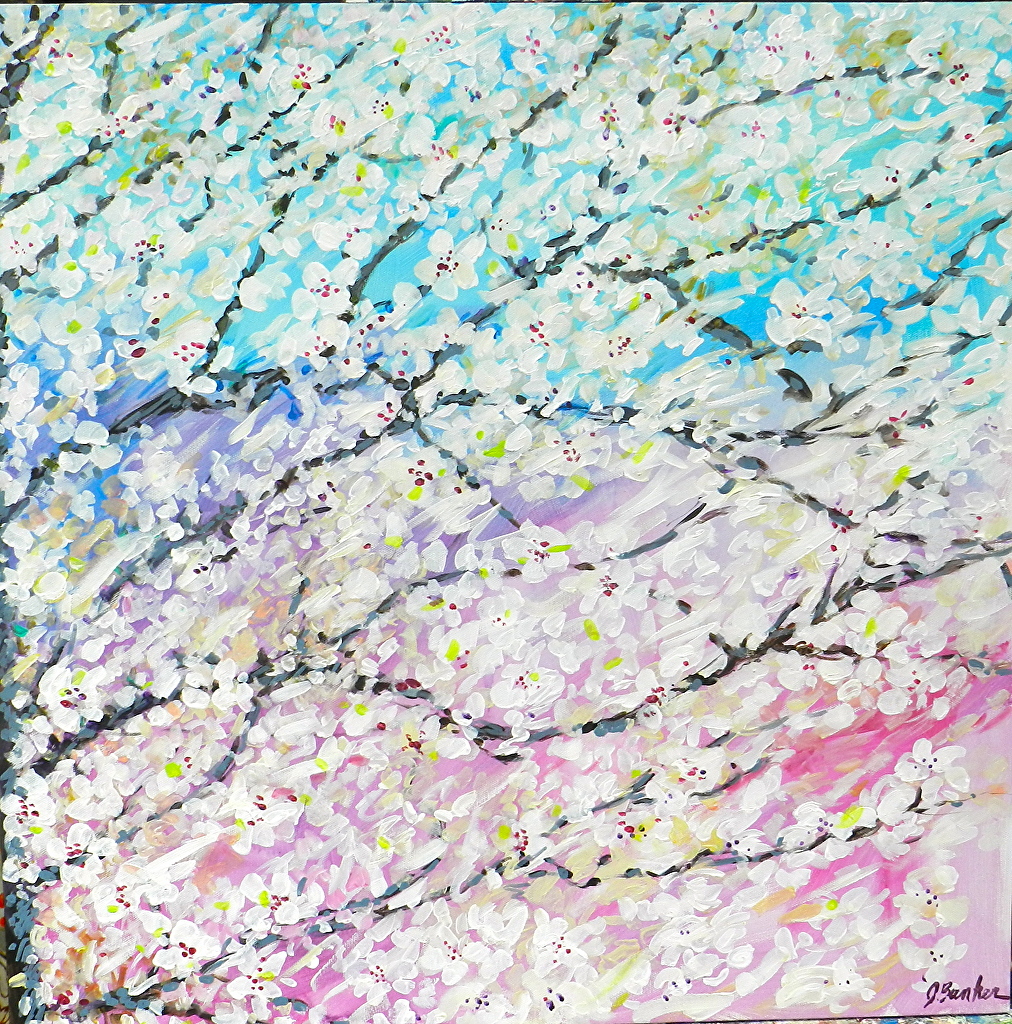
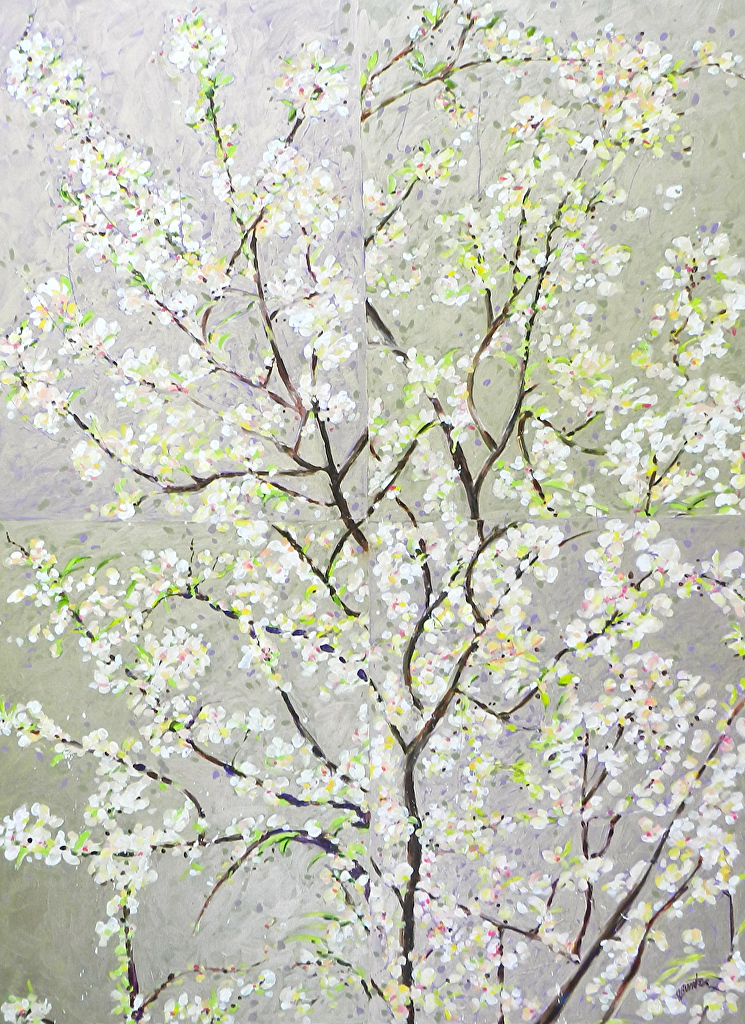
19. Lisa Denyer, (26/5/2020), only one painting exhibited in the gallery. ‘Pushgo’, shown below. The brushwork, which is a constant in her work, has similarities to Amanda Ansell, Julian Brown and to some paintings of mine where I have used a similar technique. with Lisa’s painting the addition of collage or painted geometric shapes help to break up the compositions. Looking at her website the brush technique is prevalent in her work. There is a consistency of style which I find pleasing. colours tend towards pastel but are vibrant. I noted that there has been a honing over her style over time and the more recent paintings are more accomplished.
Two examples of my paintings where I have used a similar painting technique.
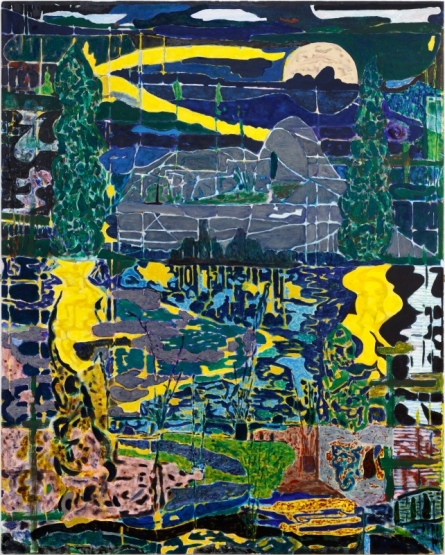
20. Sam Douglas, (28/5/2020), atmospheric landscapes with strange, mysterious sponge like shapes in the foreground. They appear to me to be substitutes for the human mind. (written before reading the artists statement).
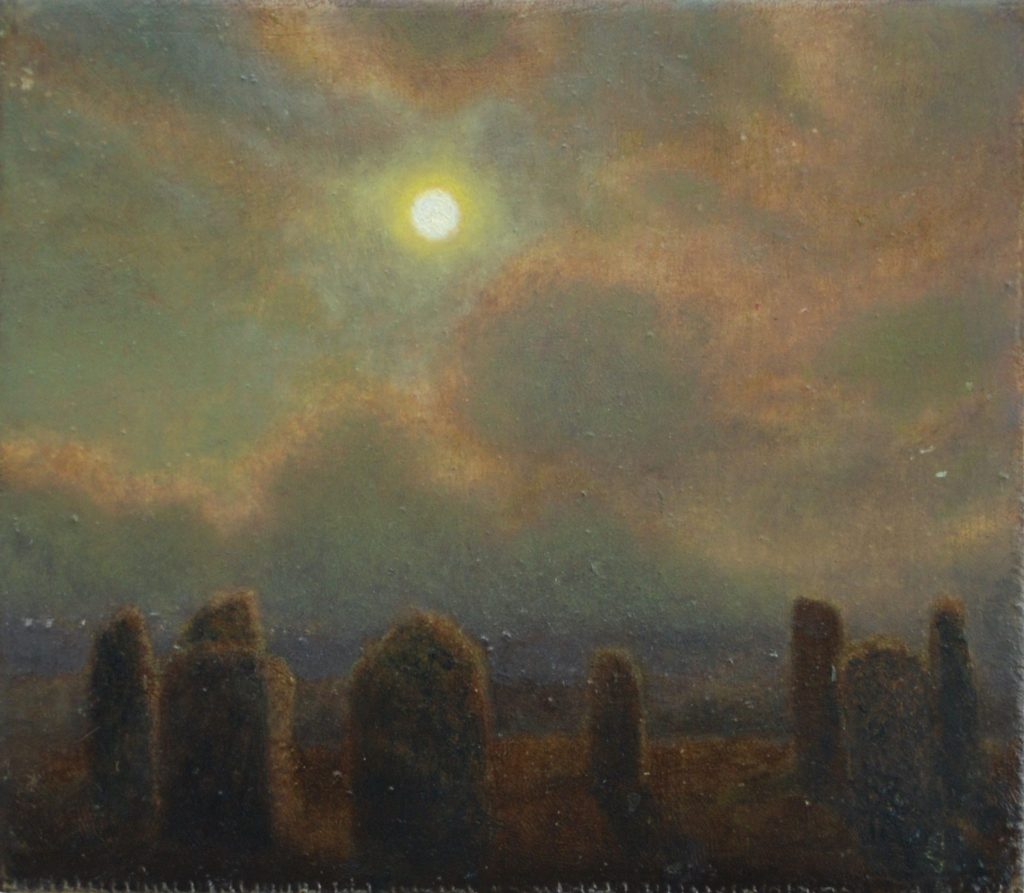
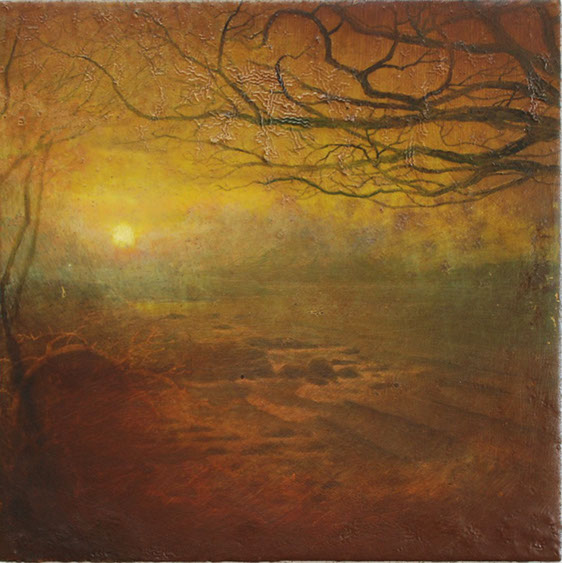
Quote from artists statement “I’m always working on a lot of paintings at once in the studio, building up and sanding back layers of paint and varnish. In a way I like to think of as akin to the geological process of sedimentation and erosion. Beneath my painting is often the strata of previous images that sometimes emerge like archaeological remnants”
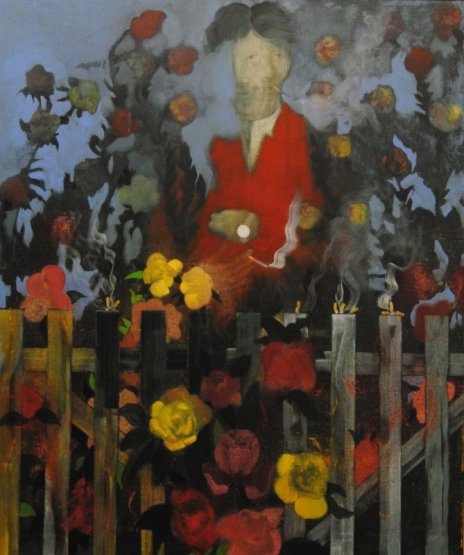
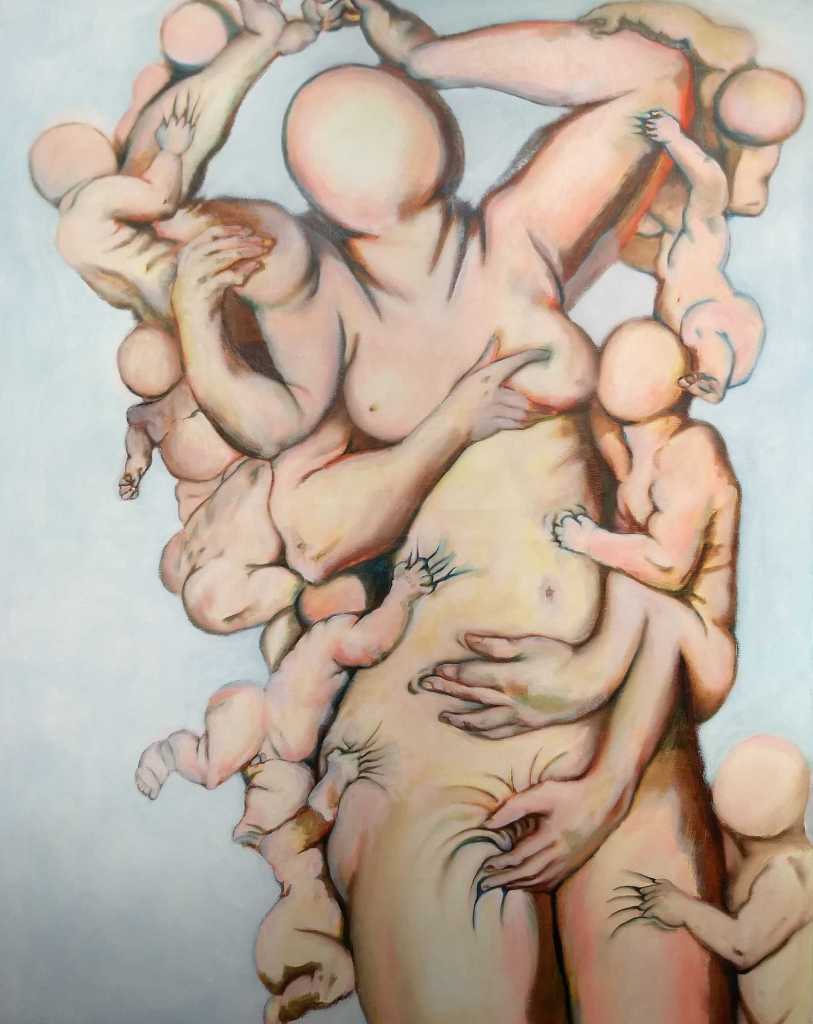
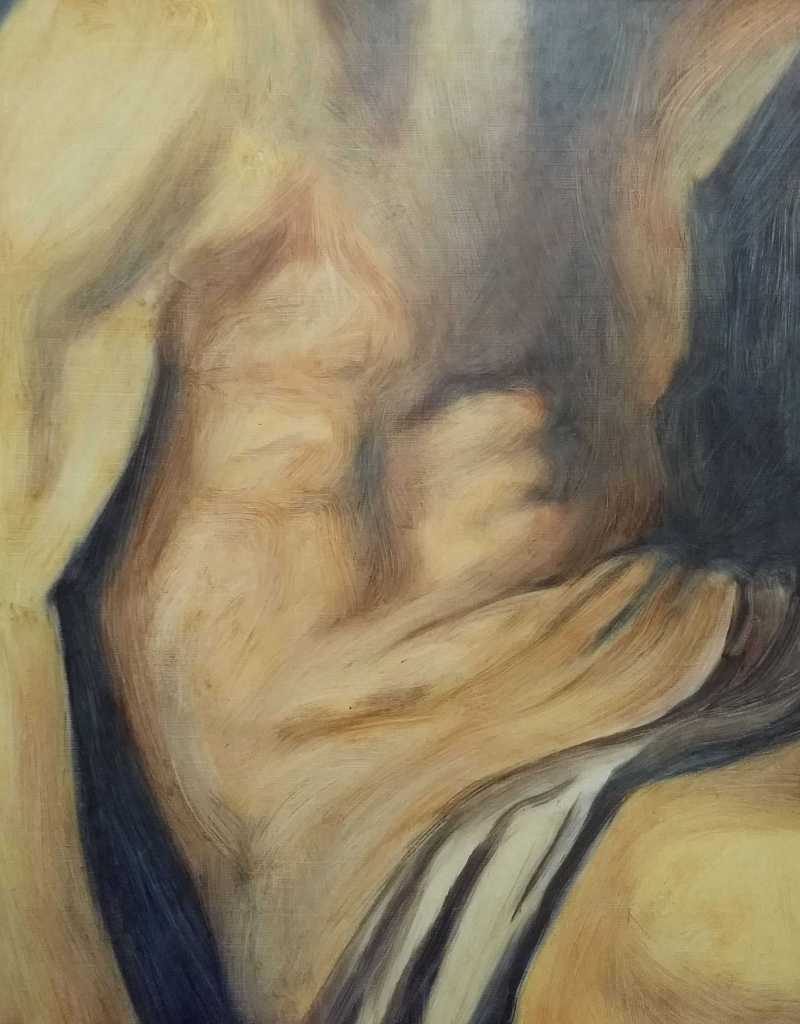
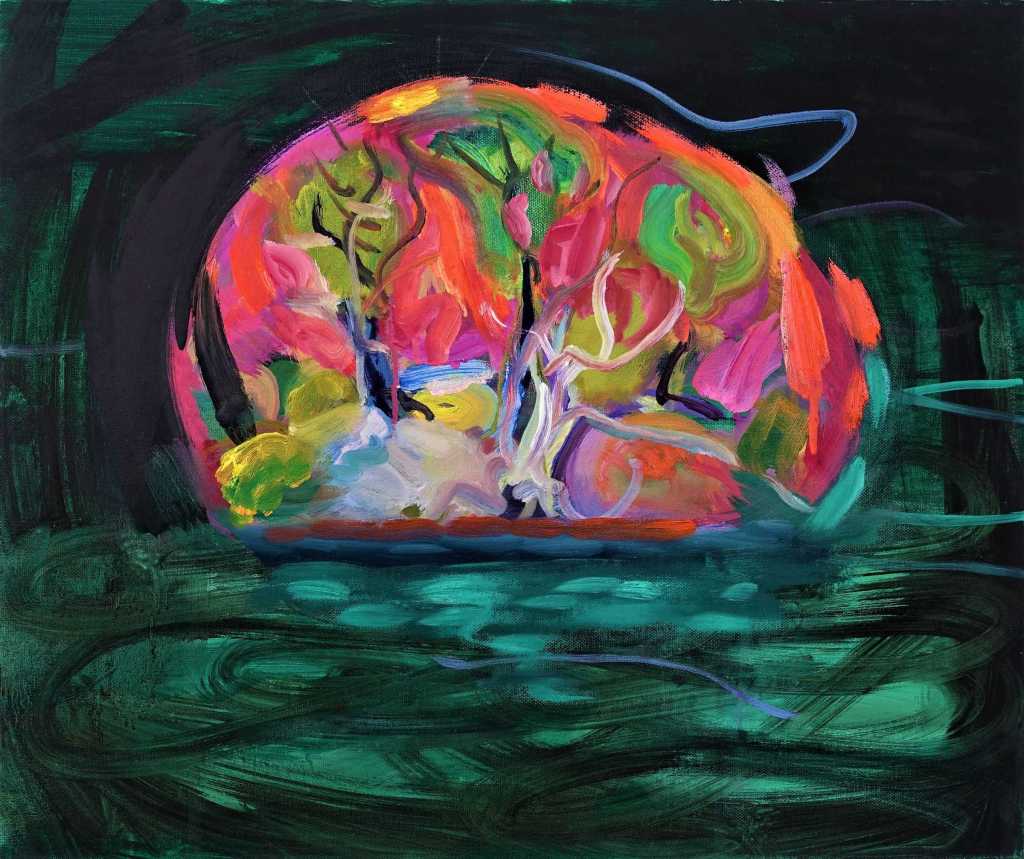
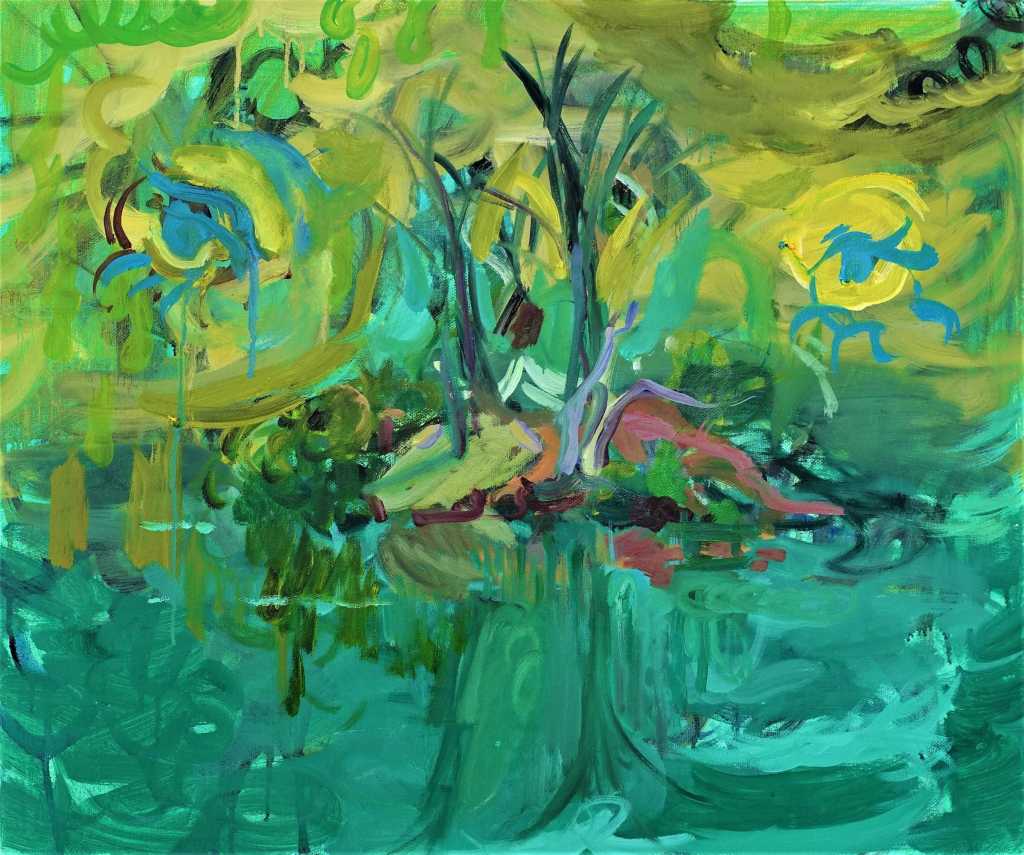
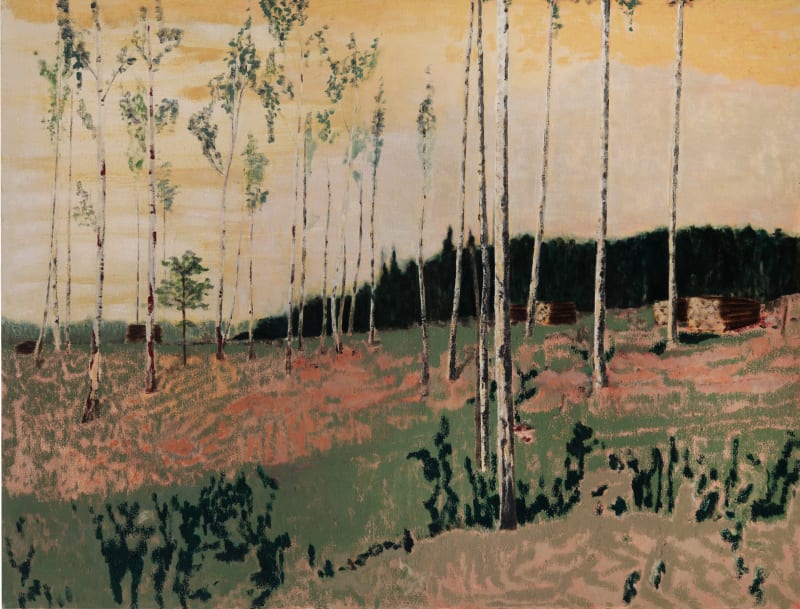
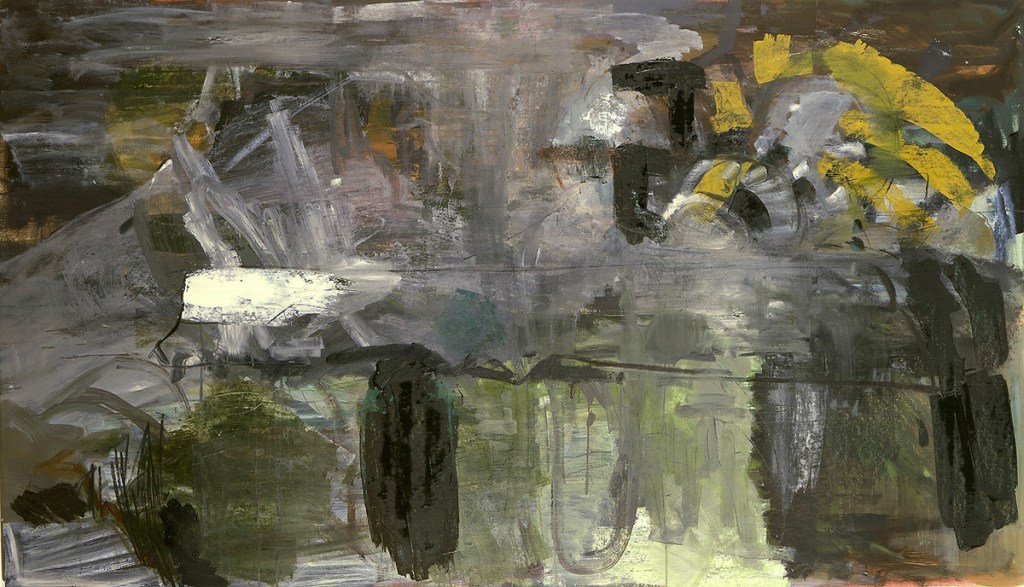
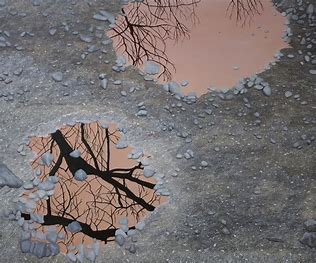
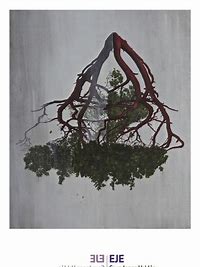
On visiting the artists website I found paintings that appealed to me more than those on the Contemporary artists site. The paintings had a similar melancholy feel but dispensed with the dystopian imagery. There are two examples below the first from the Contemporary artists website site and the second, the one I prefer from the artists own website.



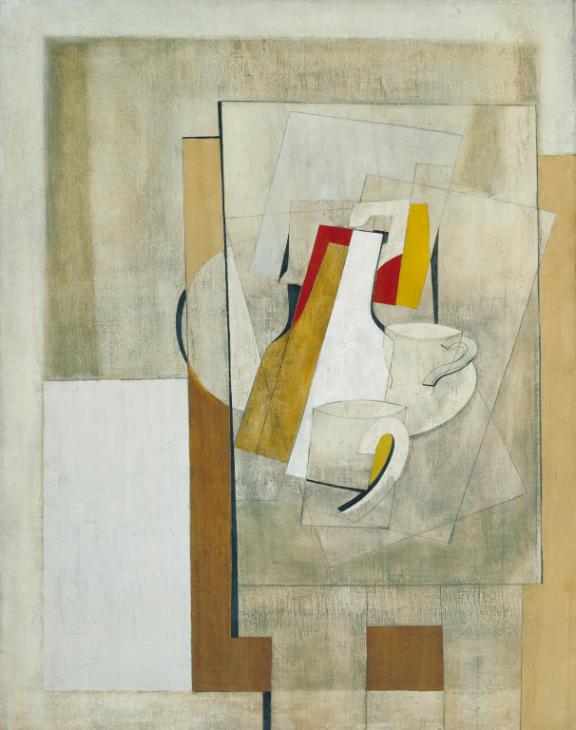
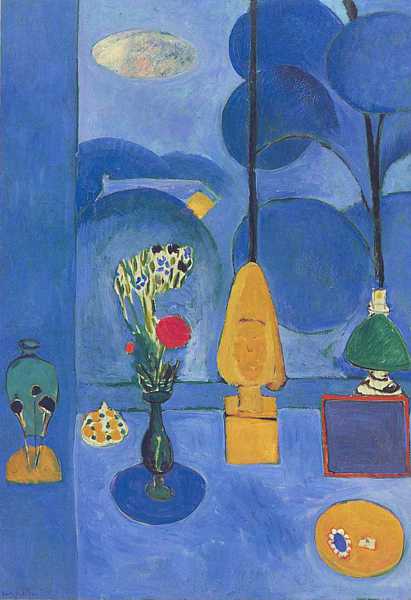
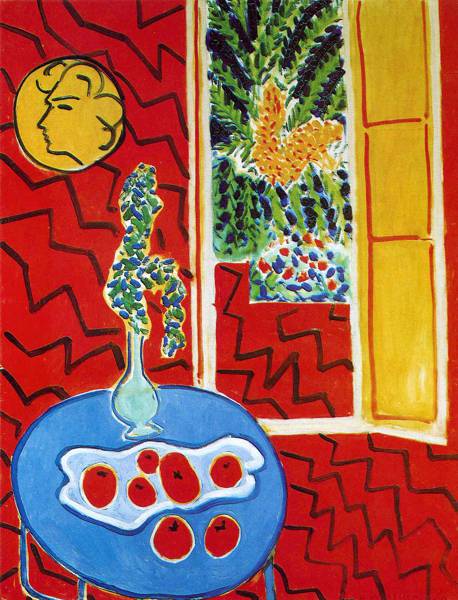
 Mark Taylor 'Studio Practice'