Demonstration of Technical and Visual skills
To assess the outcomes that I have achieved I have broken this section down into the key elements. This is a similar approach to that which I have taken for the previous Assessments.
Materials:
The materials that I used during Part Four expanded upon those that I would expect to use. The usual oil and acrylic paints, pencils and charcoal was supplemented by feathers and soap. For supports I used acetates, kitchen foil, greaseproof paper and linen t-towels. In doing so I fully embraced the requirements of the exercise for Part Four. In addition to experimenting with new and unusual materials I also experimented with different methods of application of traditional materials. The results of these investigation are covered in the separate blogs in my coursework.
Techniques:
Further from the materials utilised during Part Four the methods of application had to be modified and adapted. This was particularly true where I used soap as the material. In addition a number of the investigations into the properties of both the supports and materials required thick application of paint. This in turn resulted in new ways to explore the properties of the materials and the techniques used in their application.
Observational skills:
The utilisation of new, to me, materials, supports and techniques necessitated looking at the world around me in a new light. It was clearly obvious to me that taking a pictorial approach was not going to result in a satisfactory outcome. My observations became more concerned with colour and form.
Visual awareness:
Being confronted with the challenges of the exercises, and my approaches to them, has resulted in an expansion to how I see things and how I respond to the visual stimulations. I have found that I am looking far more a the textures of objects and trying to find ways to replicate what I see in my own way. The evidence for this is in the preparatory work and paintings that I have completed as part of my Parallel project. The focus of which has changed to the effects of deterioration rather than placing the impact in a setting, usually a landscape. I am now interested to explore this further.
Design and compositional skills:
Following on the from the change in focus on the impact of deterioration and ageing on objects I have changed how I try to convey the subject. My focus has moved into trying to pick out the colour of decay. In doing so I have tried to maintain elements of composition. This is evident in the way I try to give the impression that the decay is happening to something real. Aspects of the object will still be evident but its full self is not revealed. I haven’t resolved how far I want to move ways from the object itself and into more abstract composition. At present I’m hovering between the two and enjoying the conflict.
Quality of Outcome
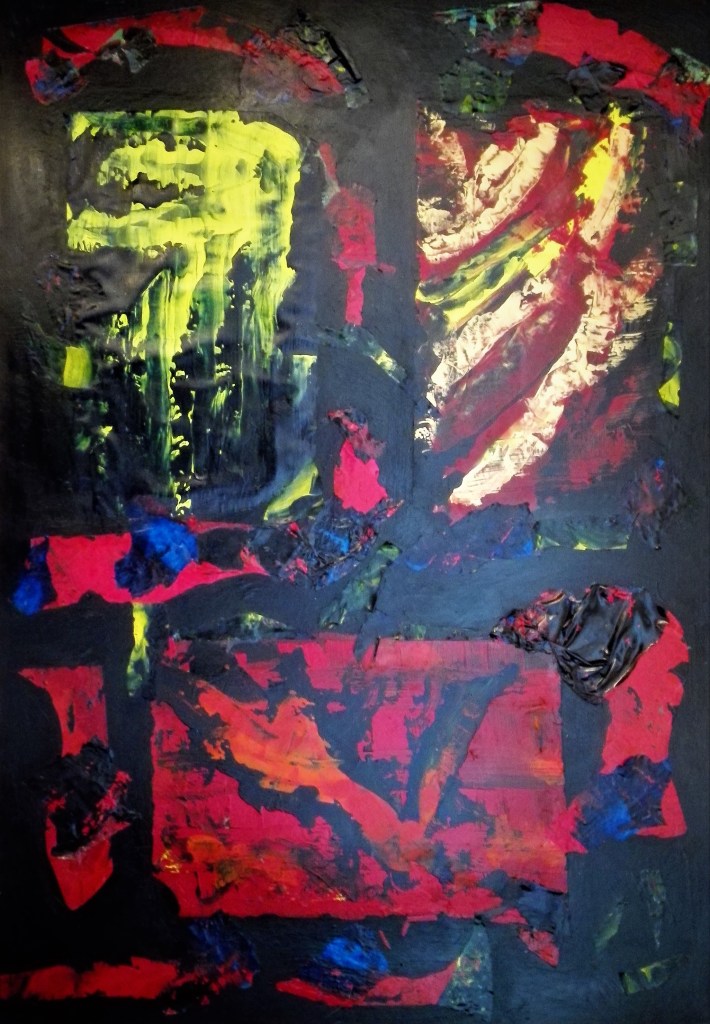
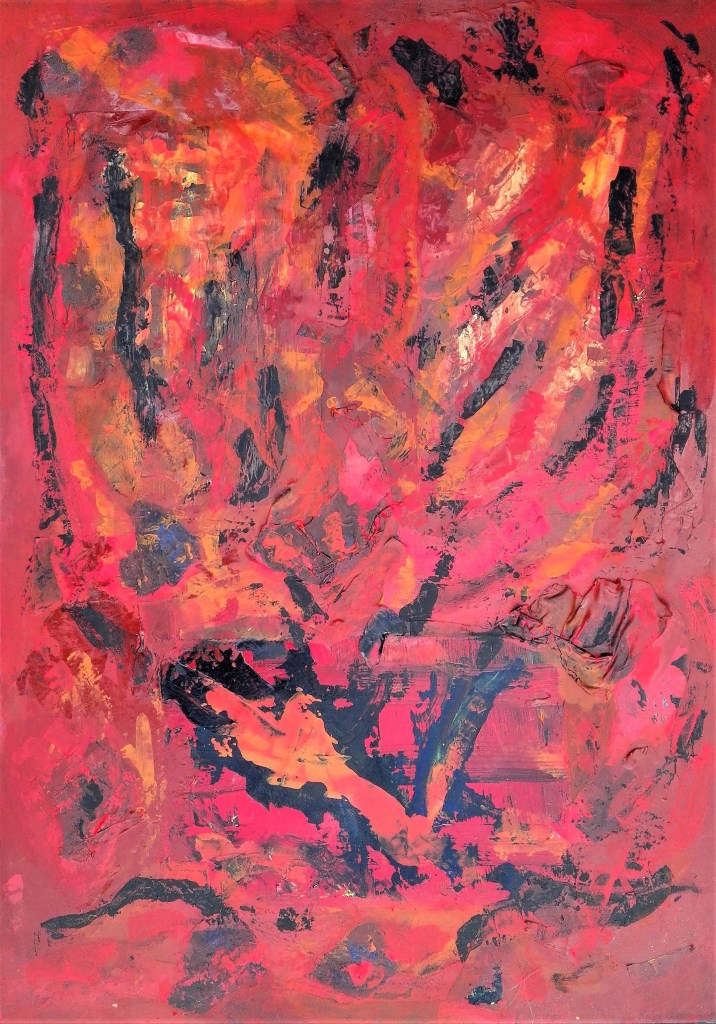
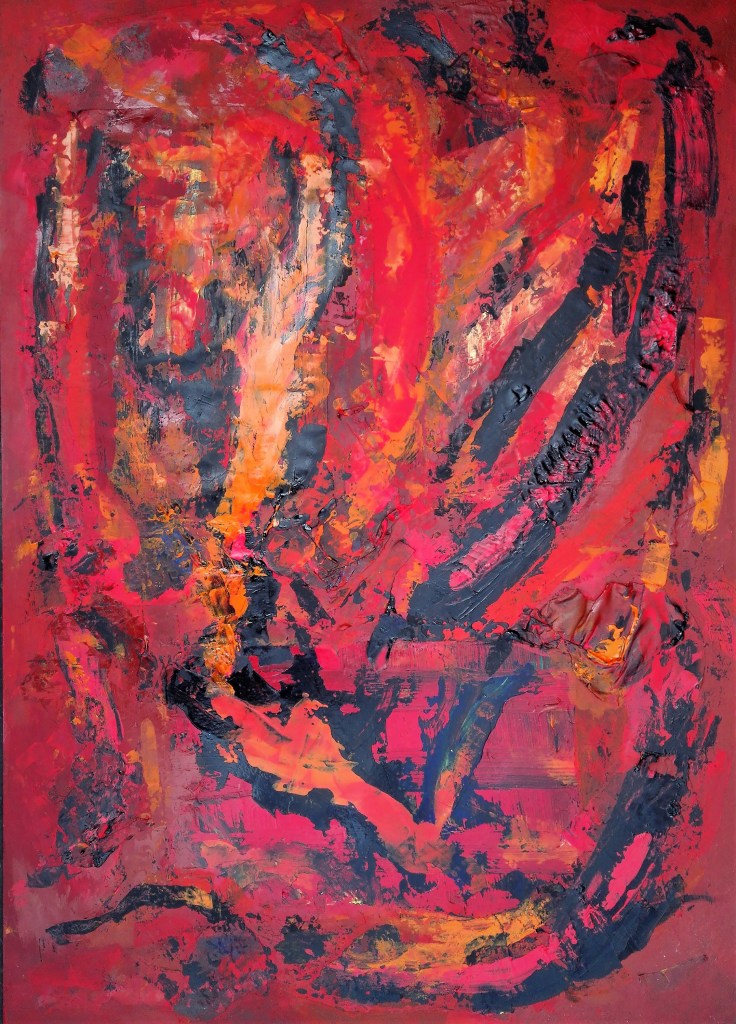
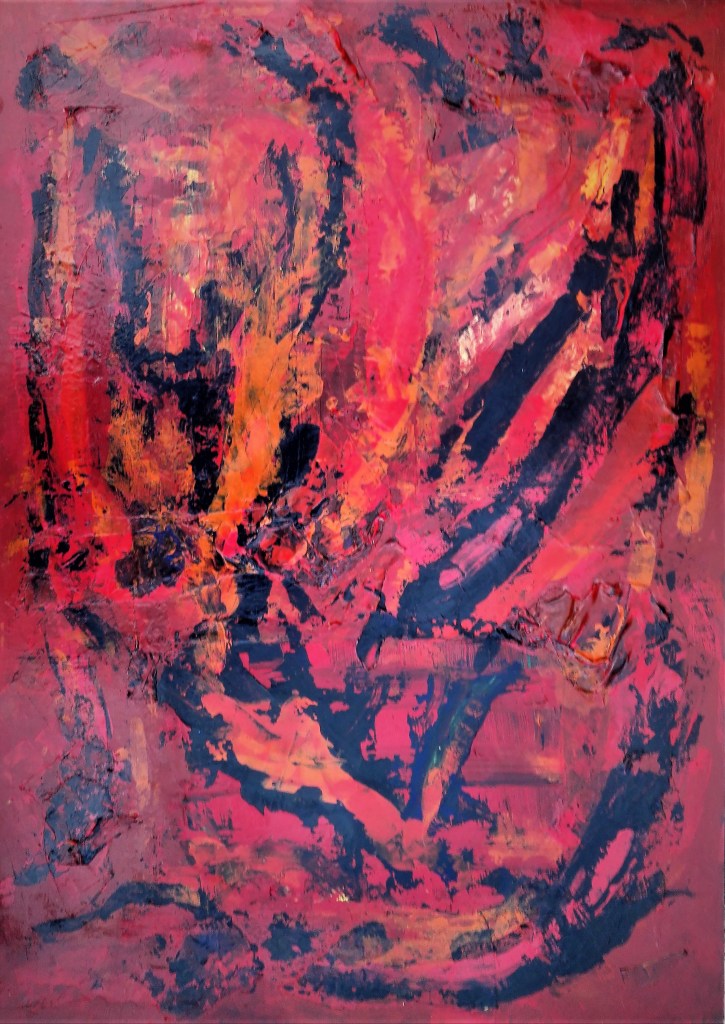
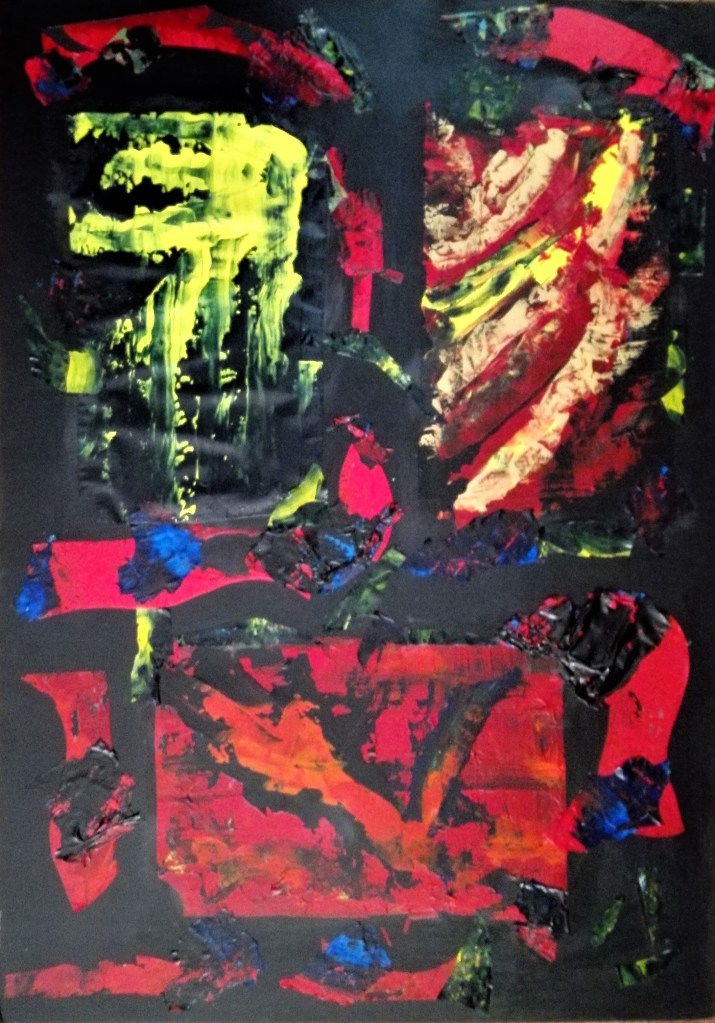
The quality of the work has been extremely varied. some of the experimental pieces have been poor at best but still worthwhile. Of the successful work two of the pieces, which are not paintings, look like they will be part of my studio display for some time. On the positive side I feel that some of the paintings I have produced are some of my best work. My aim now is to expand upon these successes and take them through to the work that I am looking to complete for the Parallel project.
Demonstration of Creativity
In all parts of Part four I have looked to find new ways to explore the exercises. I have tried to use materials, supports and techniques in a range of unusual ways. Exploring their possibilities, testing limitations and working in new and inventive ways.
Context
I have reflected in my learning log / blog my thoughts and reflections on both the work that I have completed and my thought processes and the results. As I approach the end of the course it is my intention to expand my contextual reflections. This will be particularly required for the Critical review. I have completed some initial research in this respect which I will be expanding on. It has been a source of frustration that visiting exhibitions and galleries has not been possible. Whilst I note that there has been a concerted effort by the art world, particularly galleries, to offer an virtual alternative to physical visiting, I find that these are a poor substitute to being able to observe work in the flesh. I have continued to research new artists and write up my thoughts and experiences. These tend to be quite short pieces. I will look to expand some of them.
Summary
The volume of work that I have completed during Part Four is testament to the enthusiasm that I have felt towards most of the challenges. The encouraging aspect is the new avenues that I have opened for exploration. I also look back on some of the work created with satisfaction.

 Mark Taylor 'Studio Practice'