Author: swampymark

Assessment submission

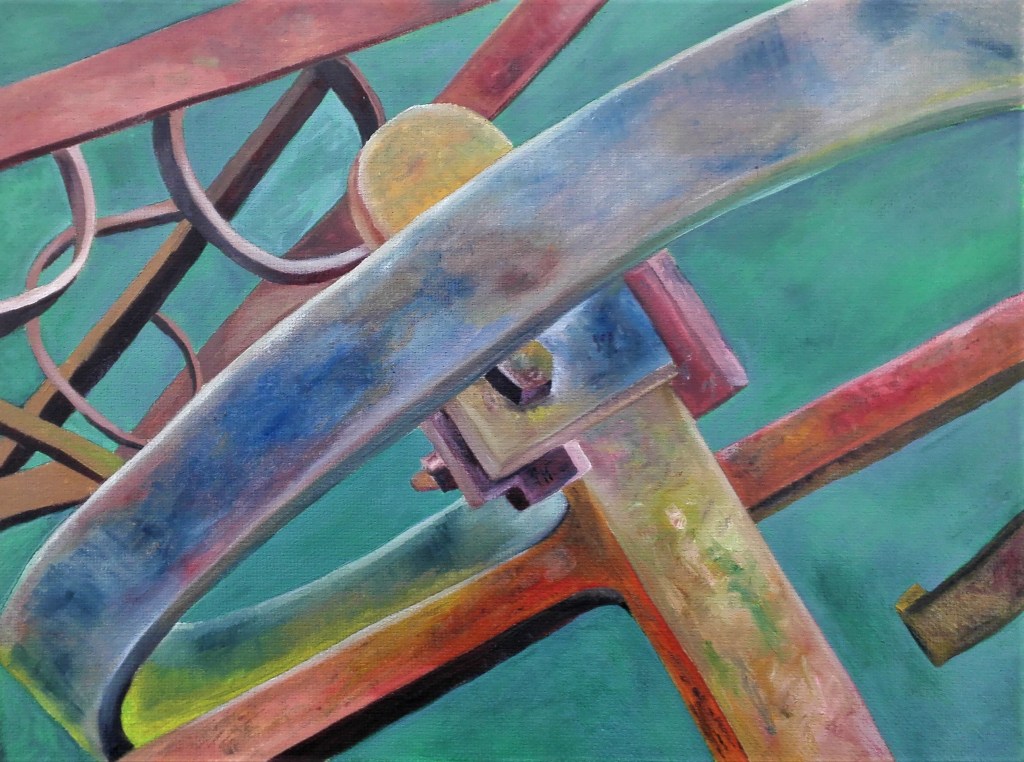
Below are the final selection of works for my assessment submission. For completeness I have also added my finalised Critical review, Artists’ statement, Reflective review and selection of blog posts.

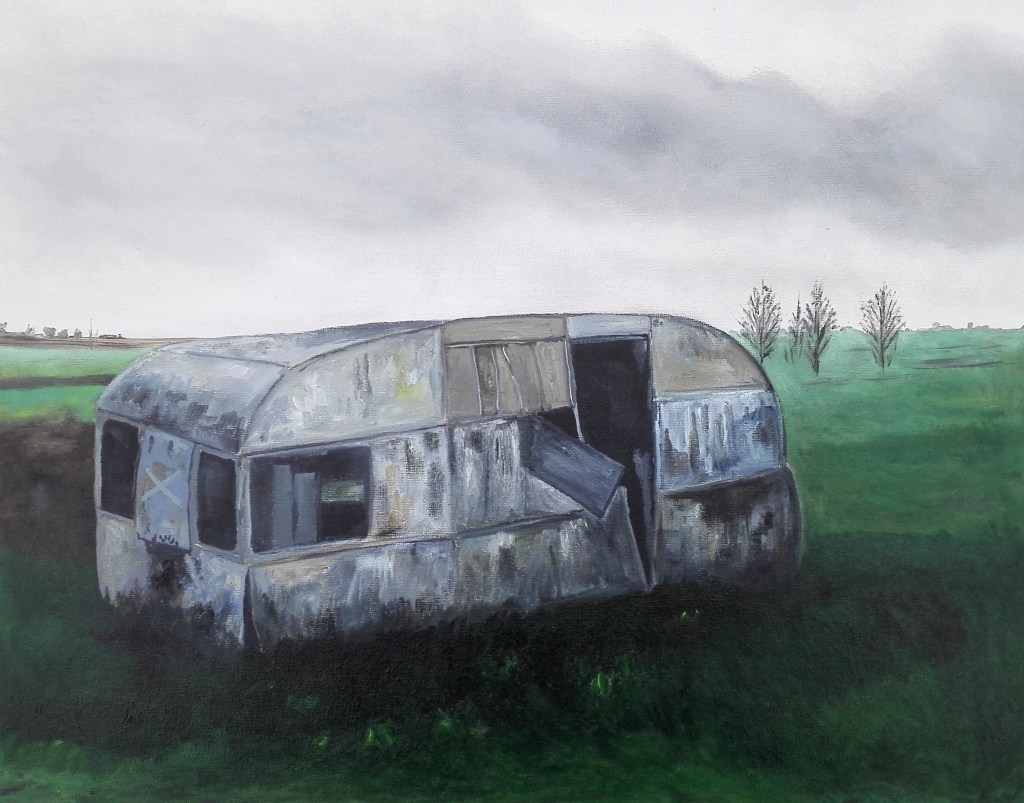
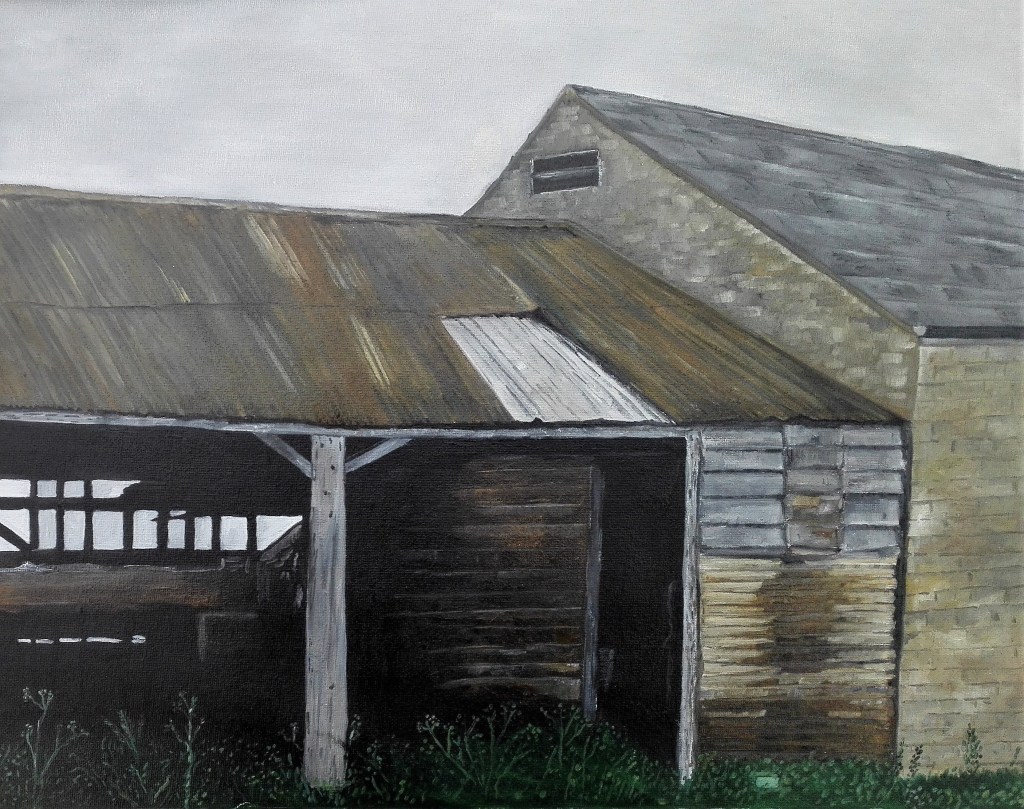
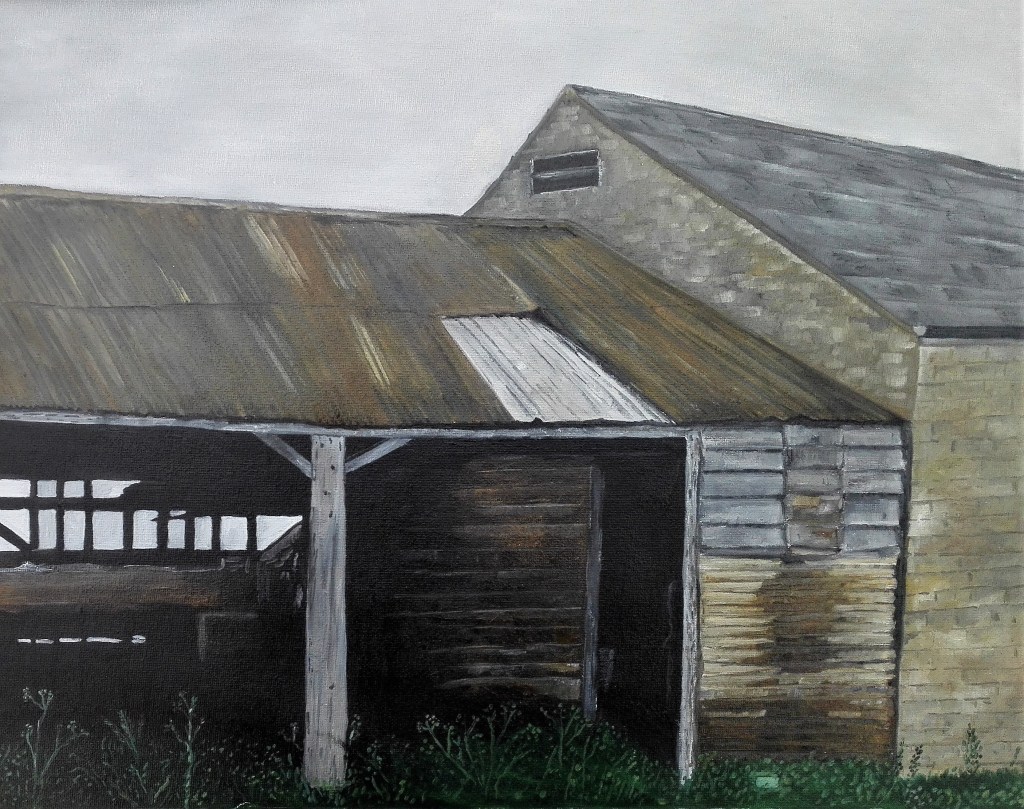
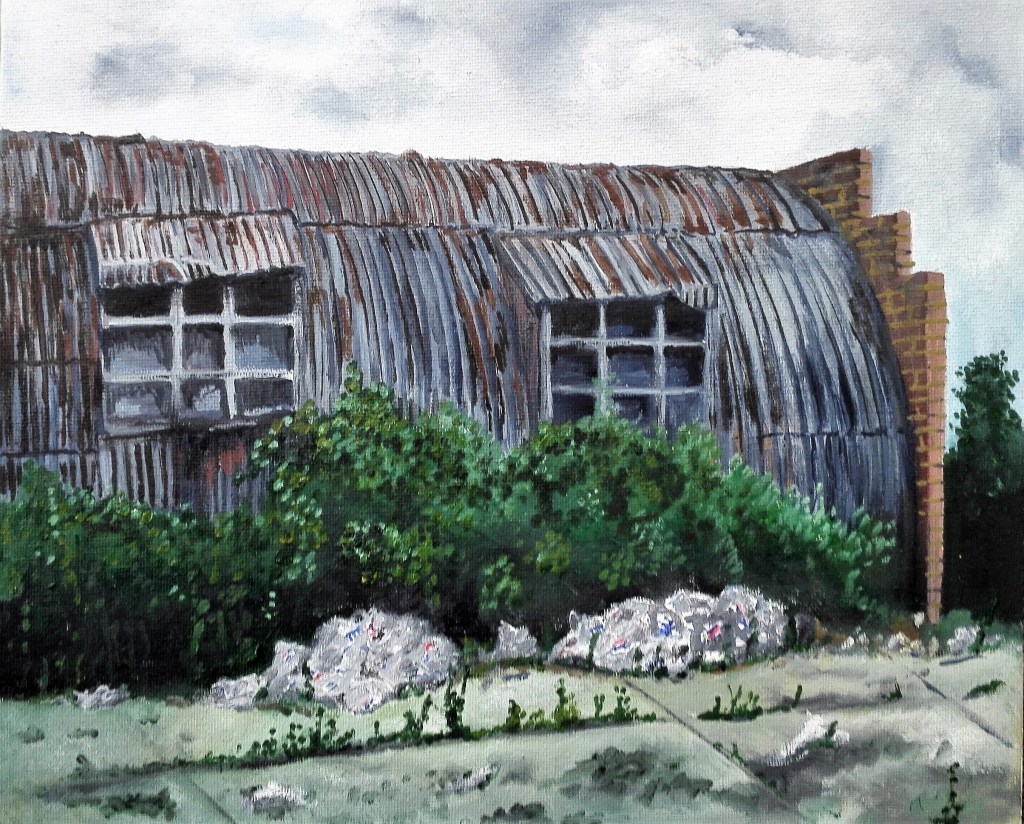
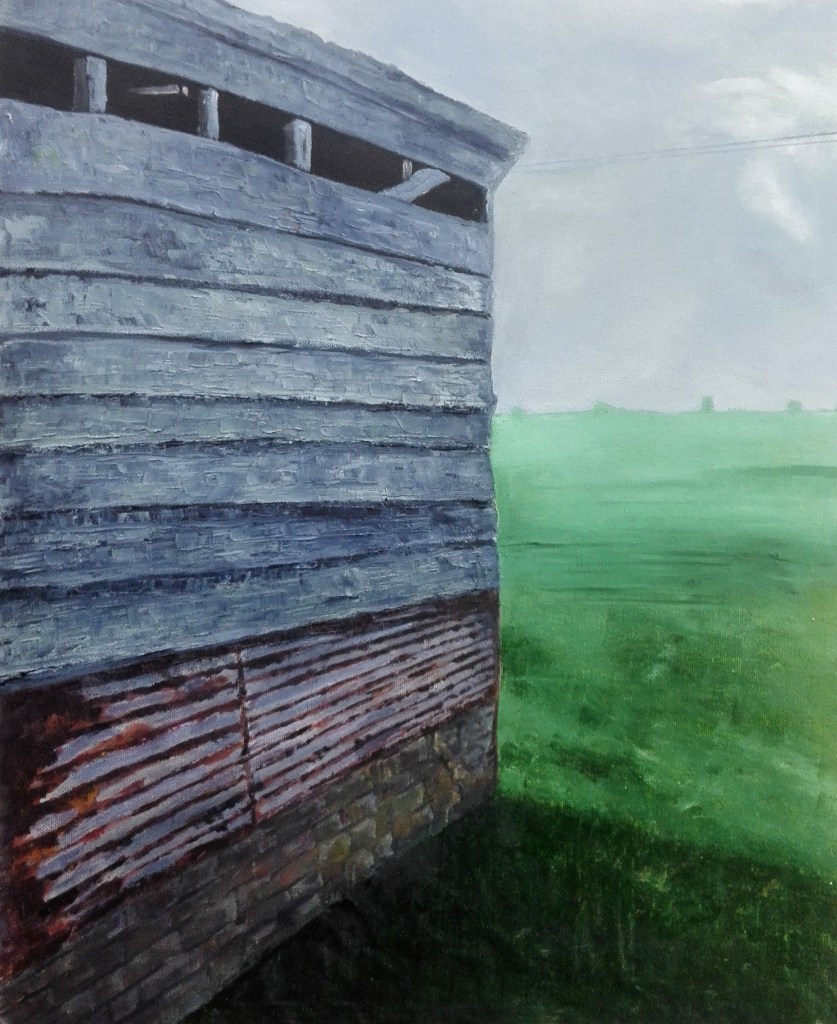
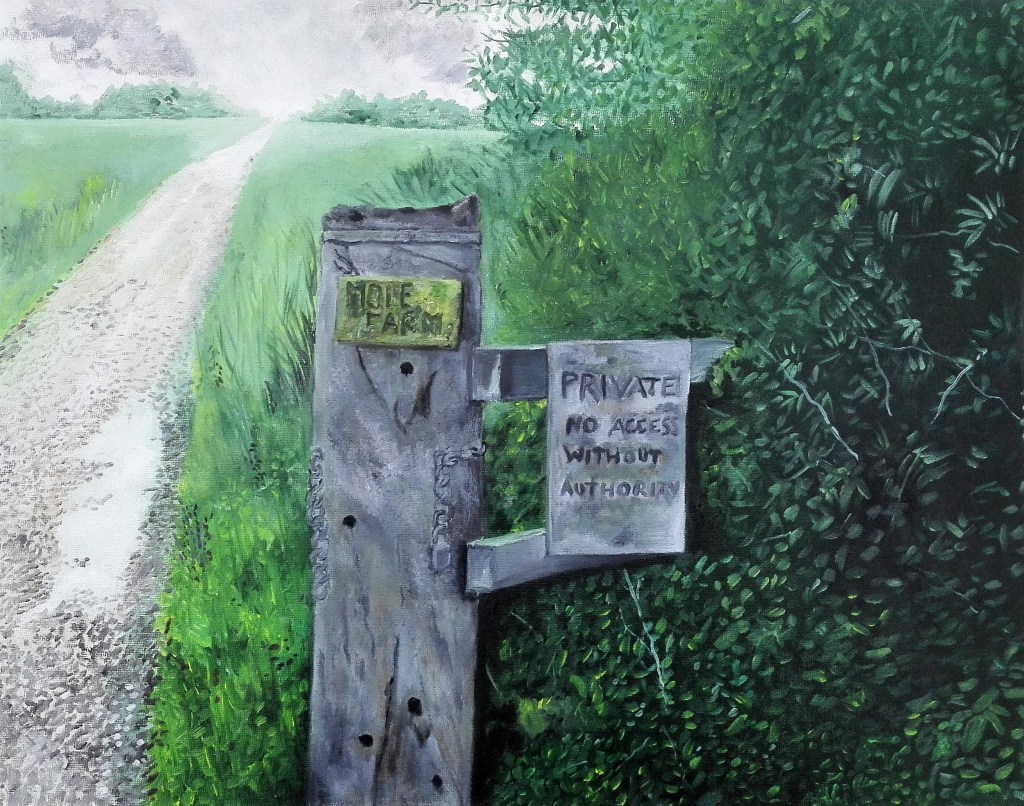
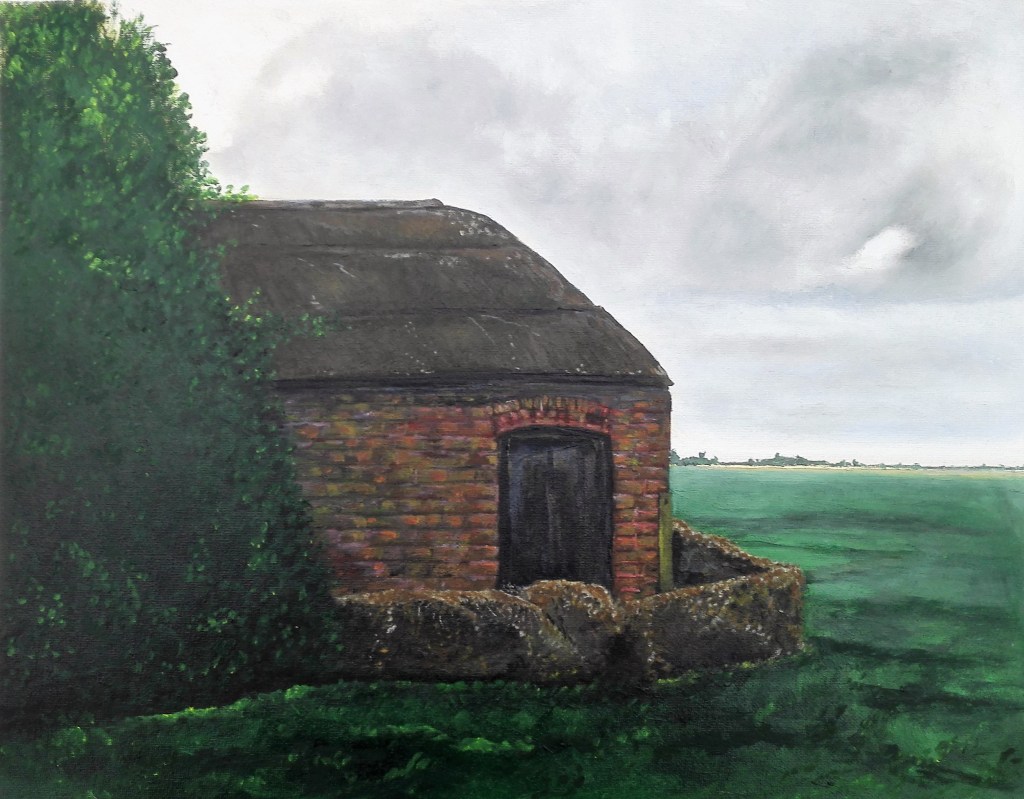
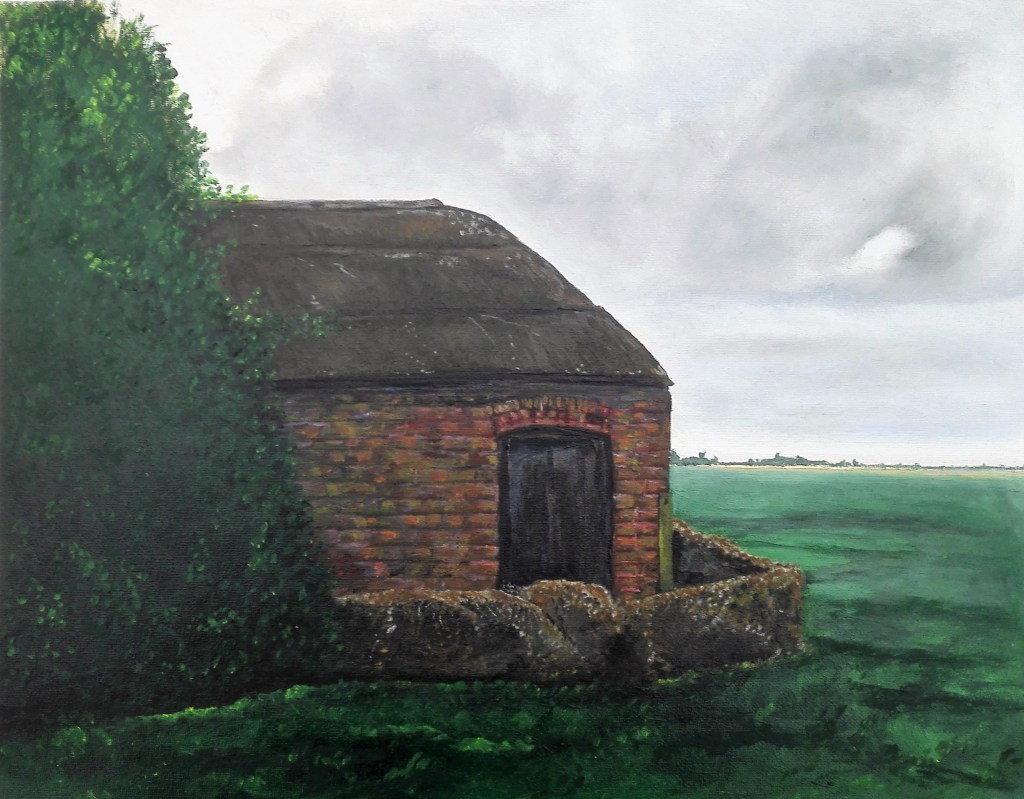
Decay in the landscape
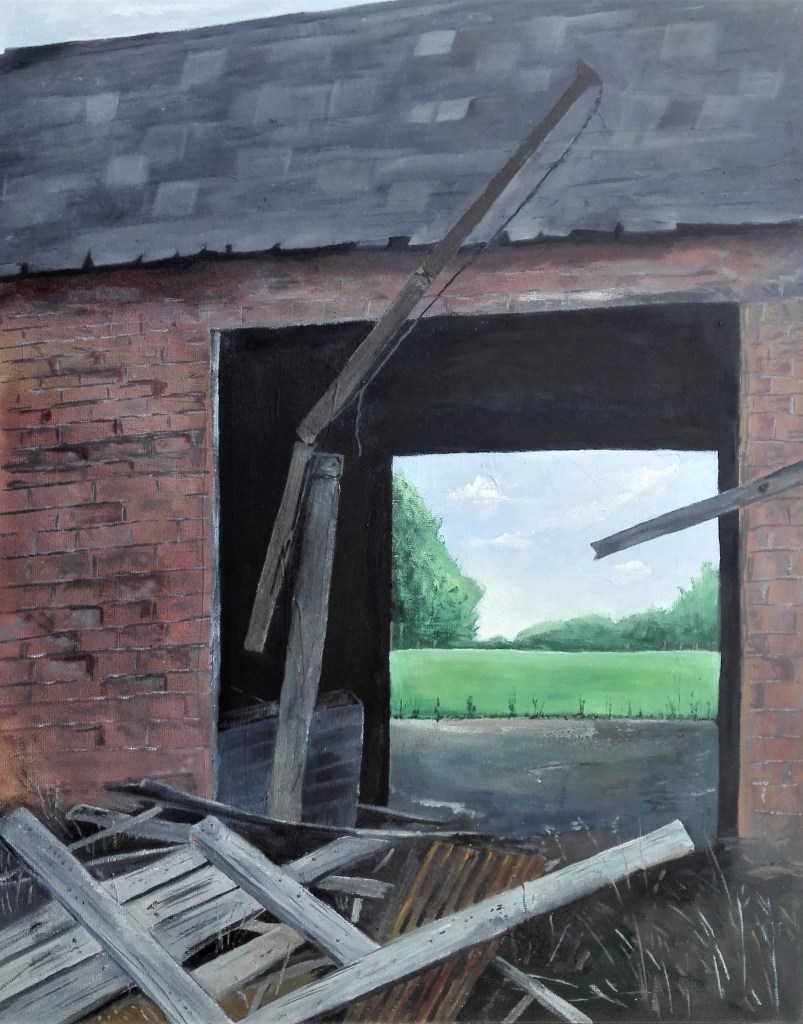
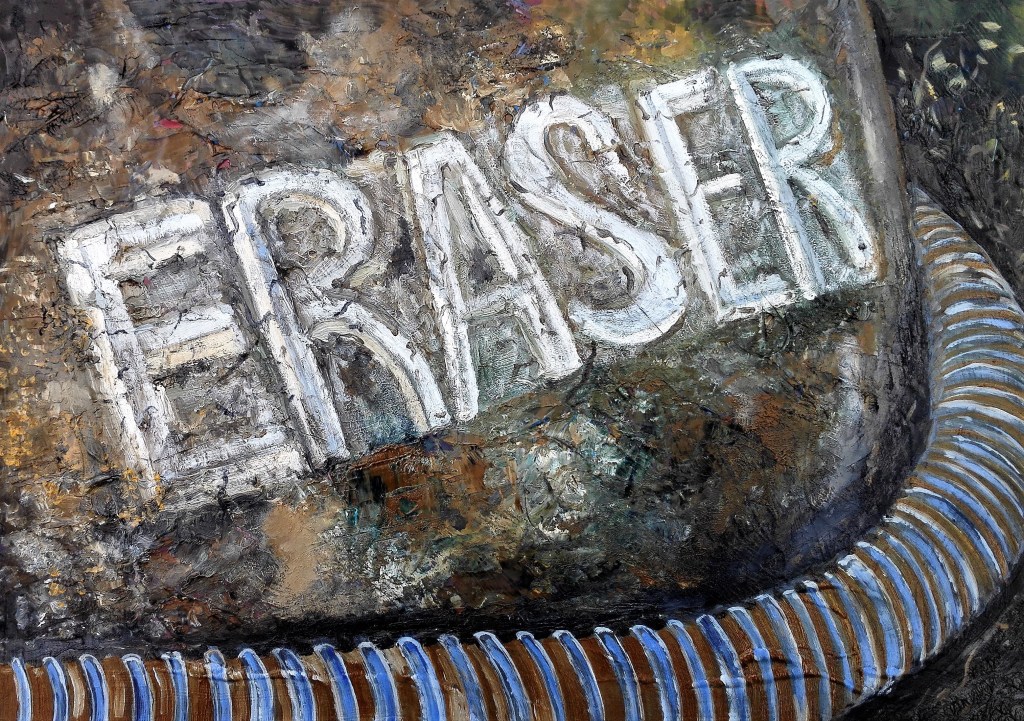
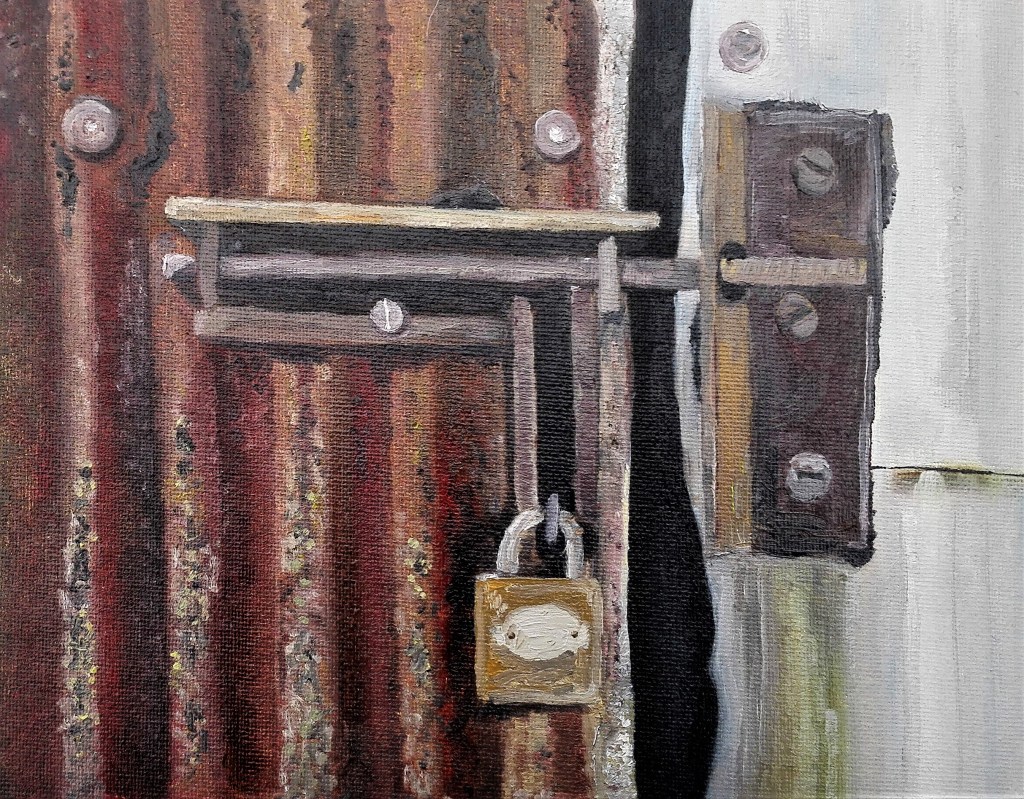
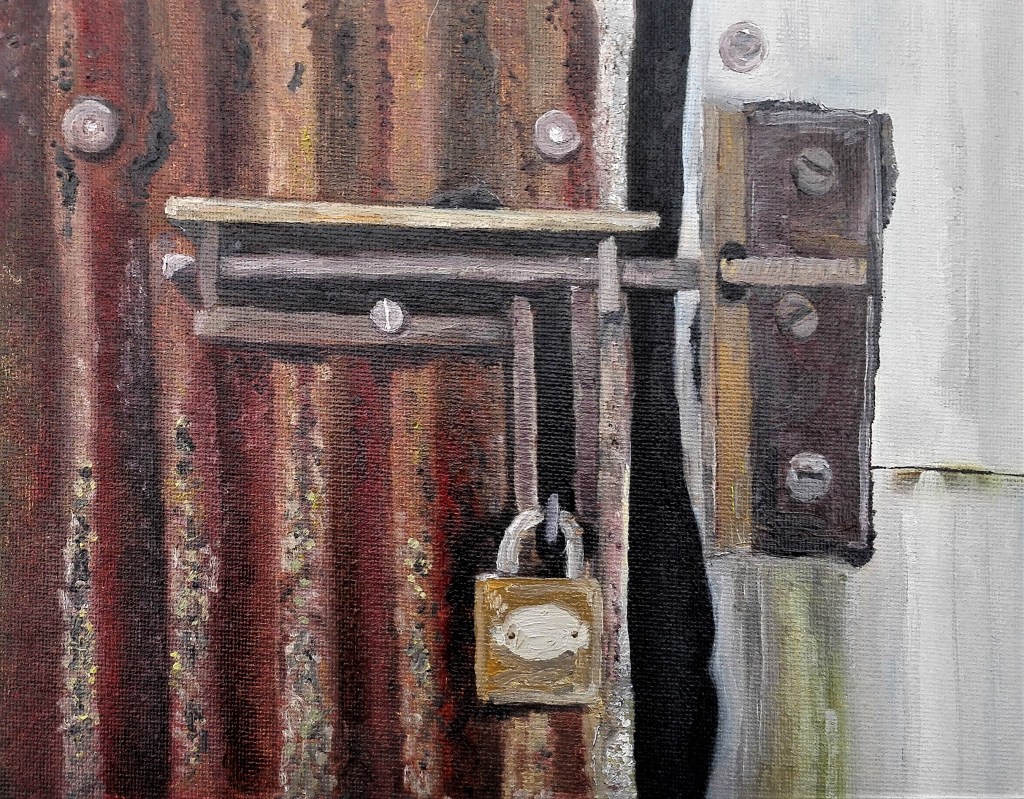
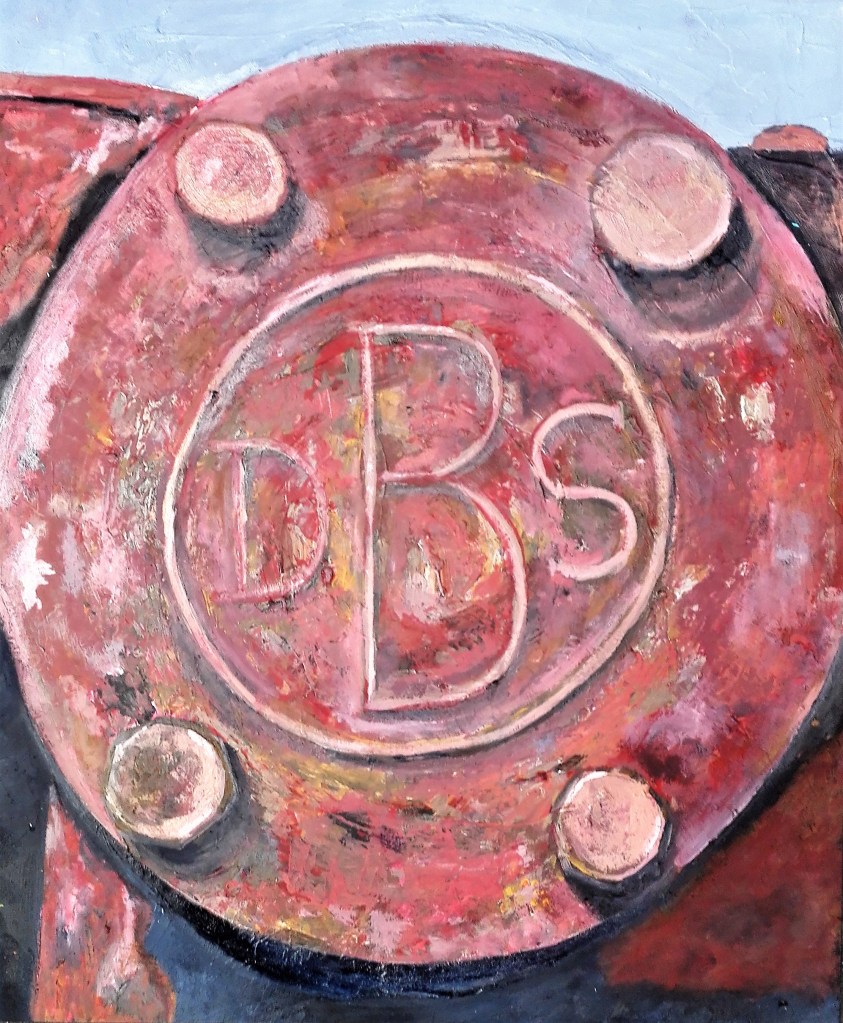
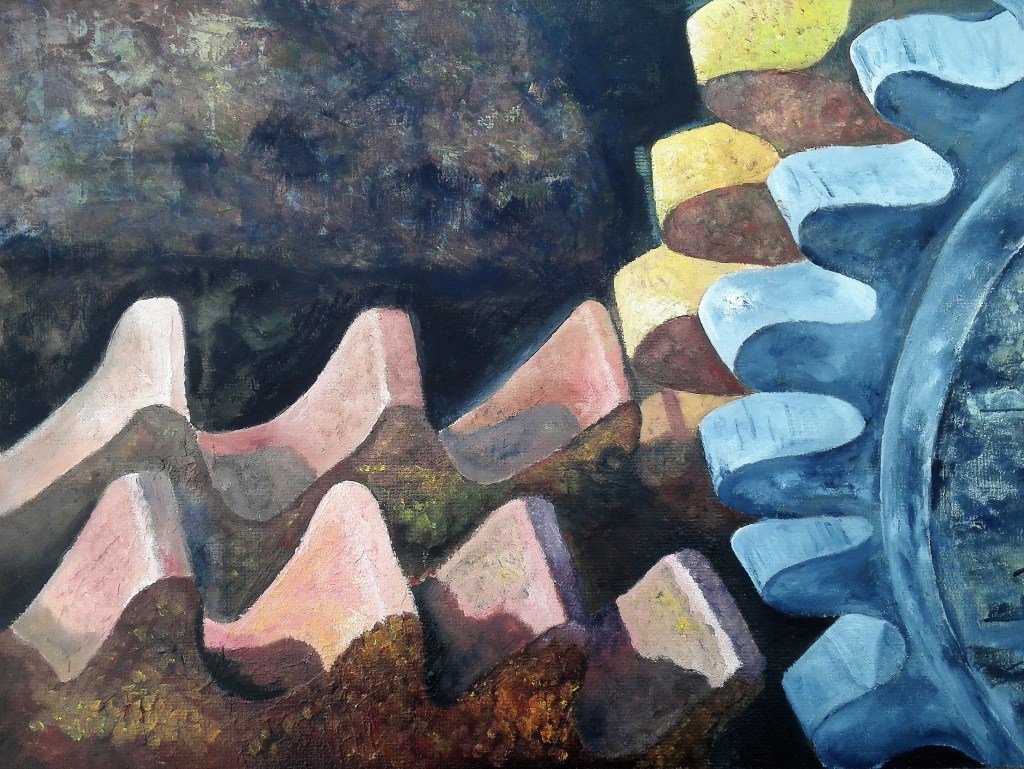
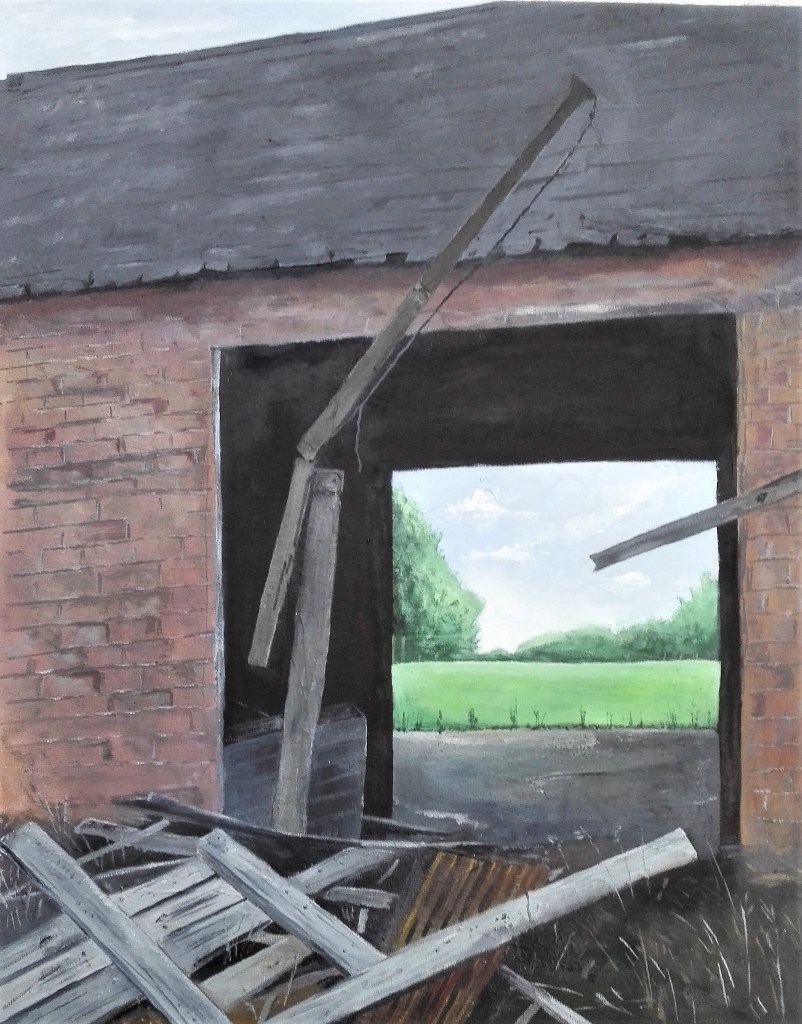
Close up to deterioration

Critical Review

See Critical Review tab

+++++++++++++++++++++++++++++++++++++++++++++++++++++++++++++++++++++++++++

Artist’s Statement – Mark A Taylor

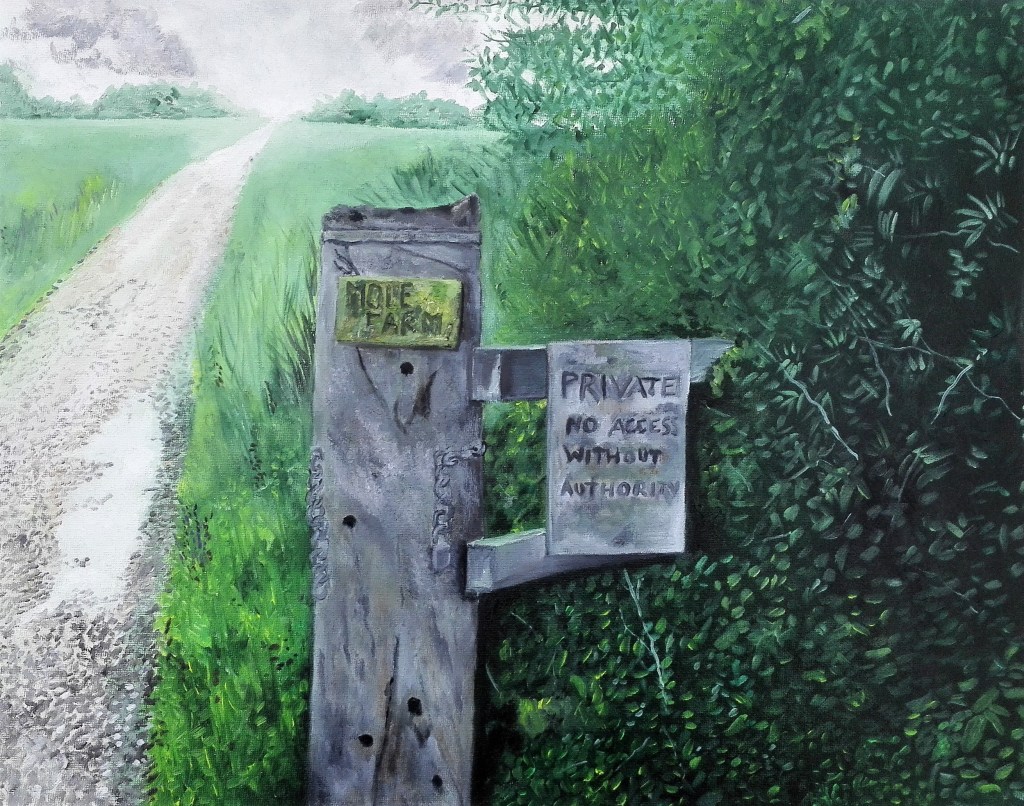
My fascination lies in documenting the effects of the passing of time on the Fenland landscape in my locale. I try to show the landscape as it is today and the impact that the elements have had on man-made objects, documenting their slow imperceptible deterioration. Highlighting the cycle of development and decay of man-made structures in the landscape against the passing of time and the seasons.  

I approach the subject in two distinct ways. The first, is to try to convey what I see when I walk within it; to record the features, the buildings, structures and the space they occupy in this often austere environment. As I do this I imagine the stories that may have been played out during the lifetime of the buildings.

The second approach is to examine objects close up; to focus on detail and features that may be overlooked by the casual observer. This approach tends to produce paintings that are ambiguous in nature and hard to identify.

+++++++++++++++++++++++++++++++++++++++++++++++++++++++++

Assessment Section 1

Below are ten links to my blog that represent a selection of the work, outcomes, experiments, contextual research and written reflections of my studies.

My blog URL is Mark Taylor ‘Studio Practice’ – A journey through my Studio Practice course with OCA (water.blog)

The password is Swampy01

The links are listed in chronological order starting with Part One. With each link there is a brief explanation.

1, Assignment One – Final Piece – Mark Taylor ‘Studio Practice’ (water.blog)

A blog on my Assignment One final piece which details the process, the work in progress and the final outcome in total and as a series of framed sections

2, Reflections on development and outcome of Assignment Two piece – ‘Totally Wired’ – Mark Taylor ‘Studio Practice’ (water.blog)

A blog on my reflections on my Part Two Assignment submission ‘Totally wired’ including the Assignment piece and a short video of it.

3, Part Three – Project 1 – Reflections on Exercise 1.0 – Mark Taylor ‘Studio Practice’ (water.blog)

A blog on my reflections on exercise 1 of Part three including photographs of the process.

4, Part Three – Project Three – Exercise 1.2 Before and after – Mark Taylor ‘Studio Practice’ (water.blog)

A blog detailing my work on Exercise 1.2, my thought process, sketch work and the final ‘Storyboard’ piece.

5, Part Four ‘Parts of a painting’ – Project 1 & Project 2 – Mark Taylor ‘Studio Practice’ (water.blog)

A long blog which details the varied experimental processes and paintings that I carried out for Part Four’s Projects 1 & 2.

6, Project 4 Painting without paint – Exercise 1.3 Exploring unconventional painting materials – SOAP – Mark Taylor ‘Studio Practice’ (water.blog)

A blog detailing my experimentation of using soap as a painting medium.

7, Project 5 Colour – Exercise 1.4 ‘3D Colour chart (Part 2) – Mark Taylor ‘Studio Practice’ (water.blog)

A blog detailing the process, work in progress and outcomes and reflection on this exercise. The blog includes videos of the outcomes.

8, Assignment Four – Final piece re-worked following Formative feedback – Mark Taylor ‘Studio Practice’ (water.blog)

A blog on my reflection after re-working my initial submission for Assignment Four which followed Formative feedback.

9, Part five – Exercise 3.1 Part 2 ‘Series of text pieces’ and thoughts about titles and the use of words in art. – Mark Taylor ‘Studio Practice’ (water.blog)

A blog reflecting on the use of words in art and a revolving presentation combining the three pieces that I completed for this exercise.

10, Regular review of Contemporary Artists – Final selections – Mark Taylor ‘Studio Practice’ (water.blog)

My final ‘Exhibitions’ blog where due to the limitations regarding Gallery visits due to lockdown I selected paintings from the website ‘Contemporary British Painting.com’ and critiqued these paintings. This was the final of six blogs which I have used to develop my art writing skills.

+++++++++++++++++++++++++++++++++++++++++++++++++++++++

Assessment section 2 – Selection of creative work.

Pieces submitted in two categories which follow my investigations in my Parallel project and are reflected in my Artists’ statement.

Category 1 – Close up to deterioration

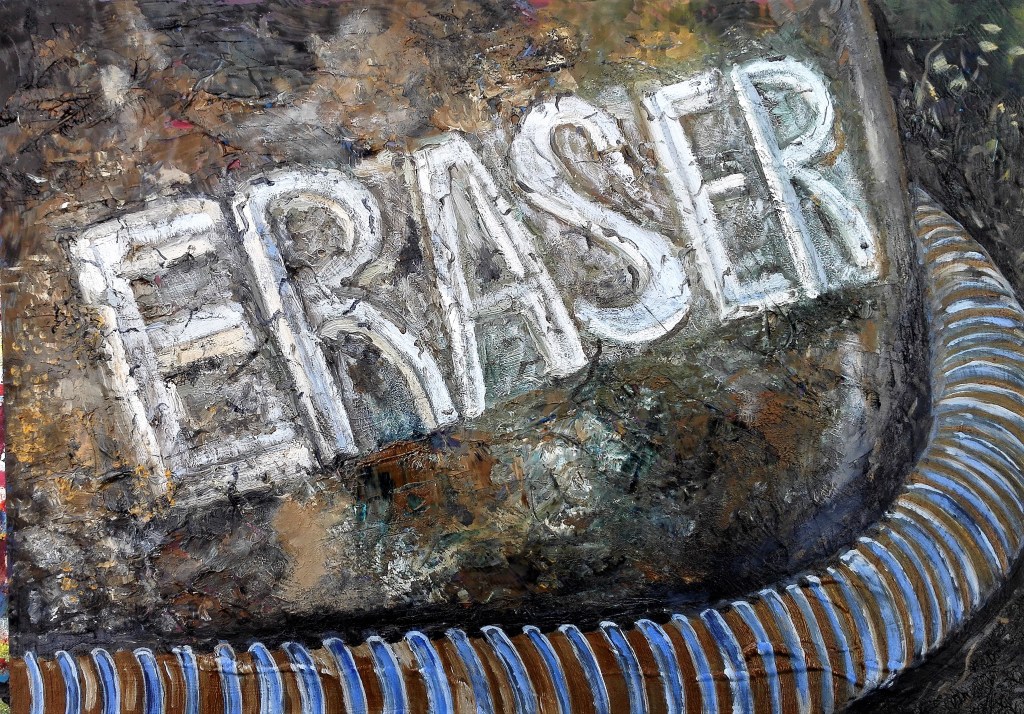
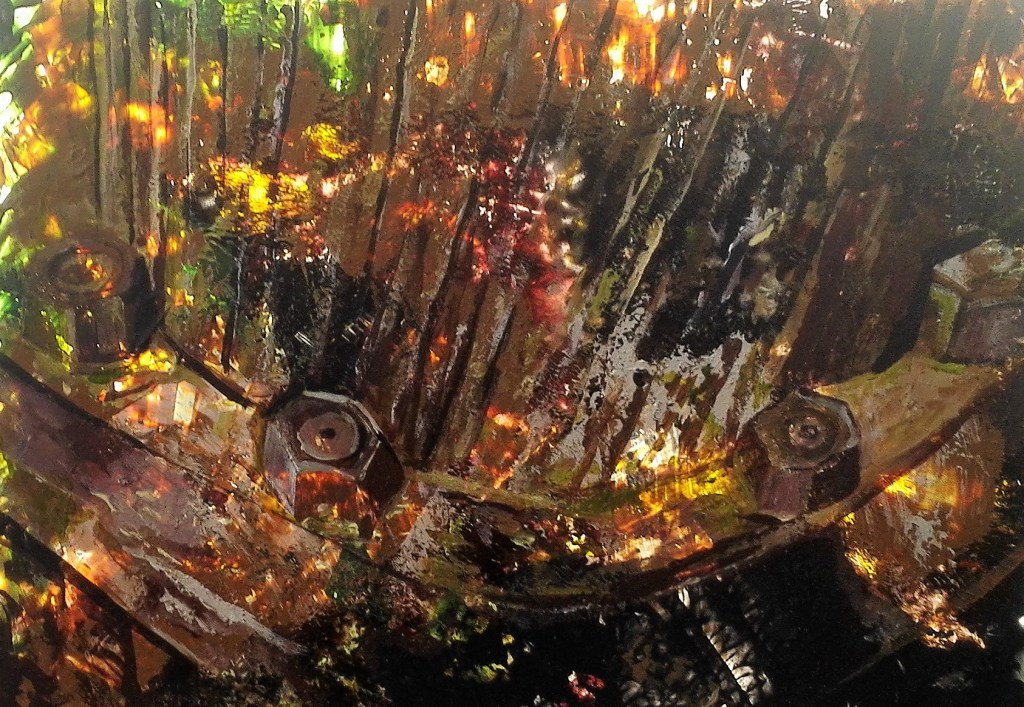
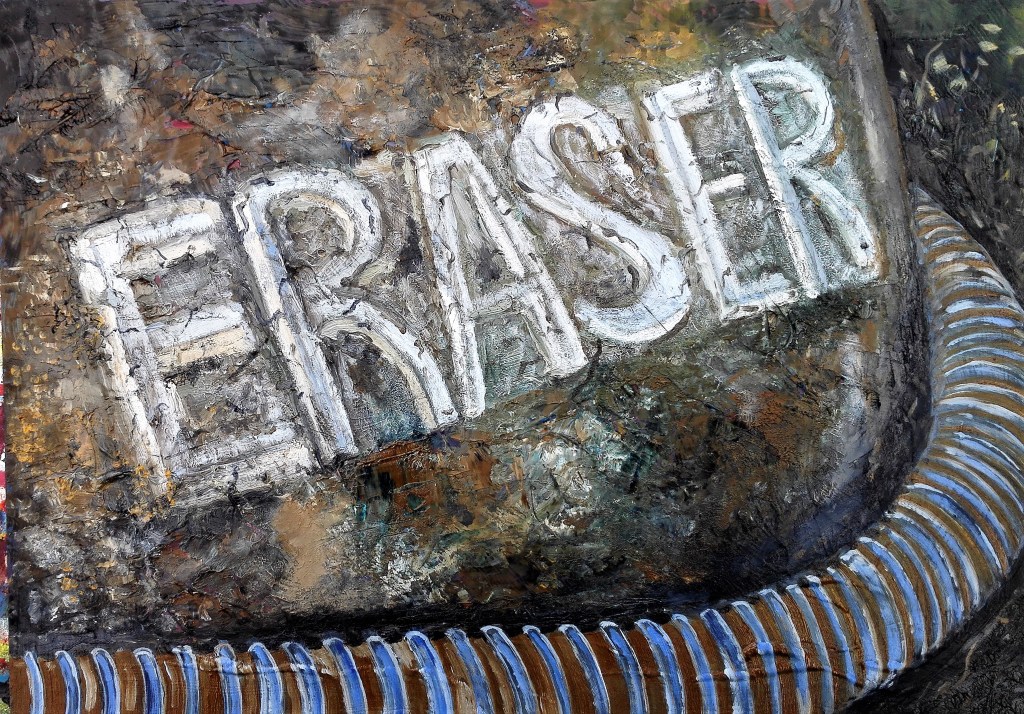
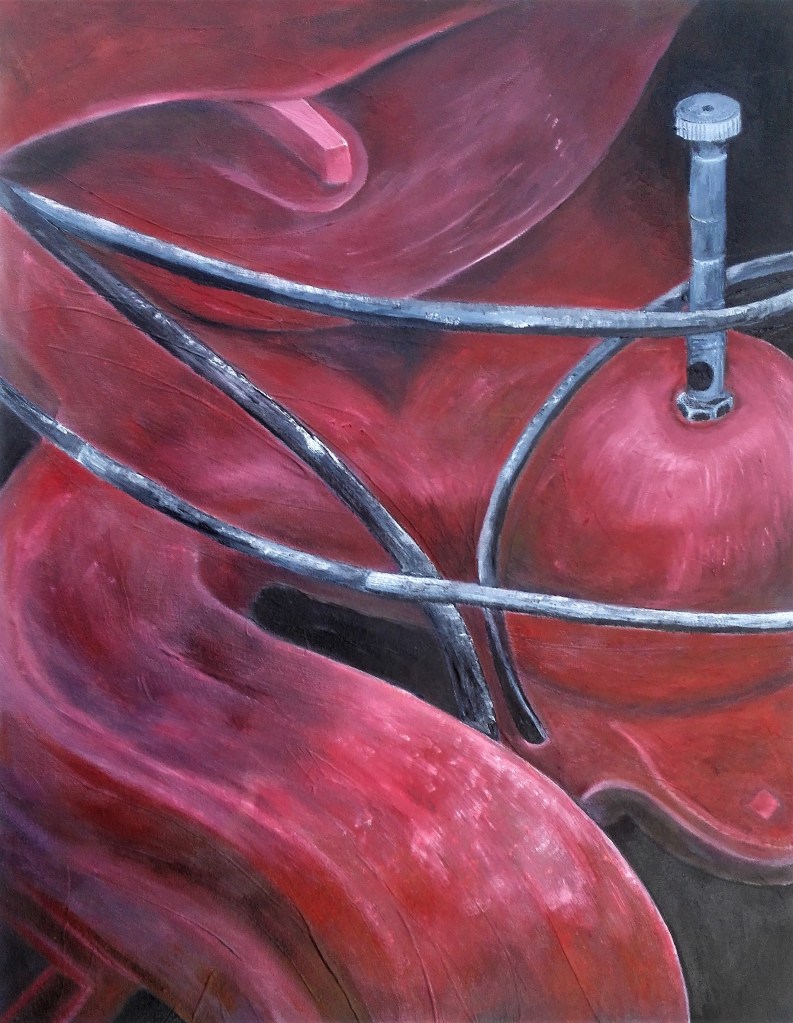
1, Eraser, Oils and acrylic on acetate, 21 x 29 cms (a study of part of an abandoned piece of farm machinery)

1a, Eraser, detail from painting

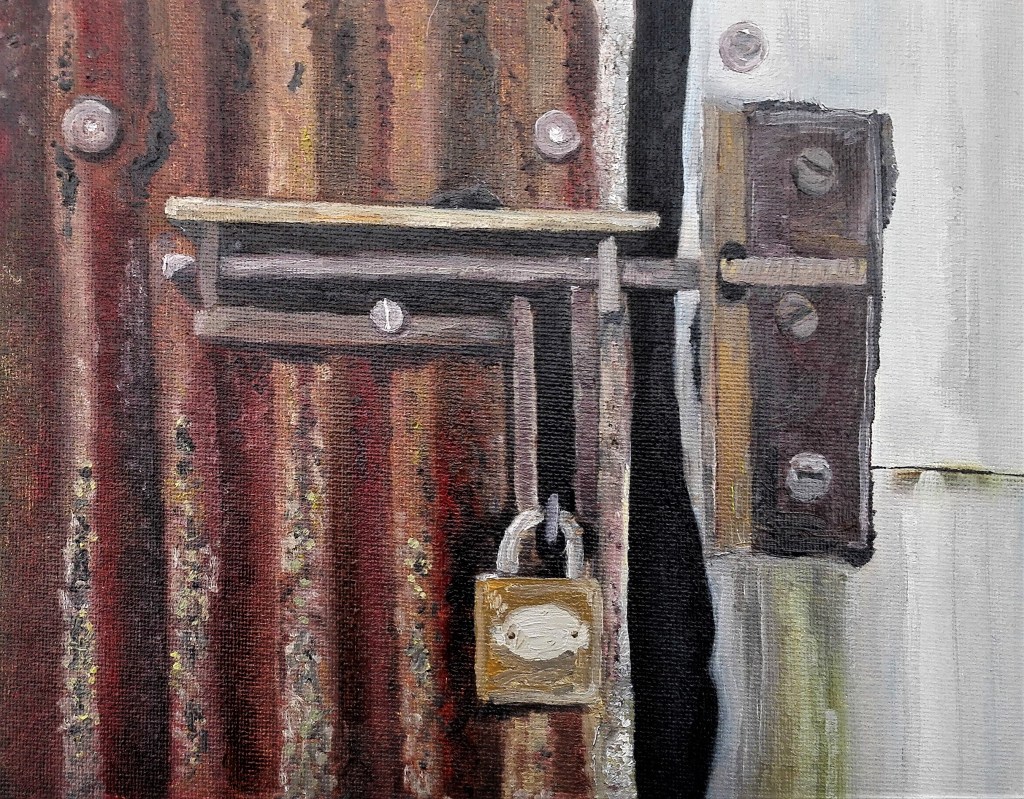
2, Locked up, Aqua oils on canvas, 19 x 24 cms (a study of the lock on an old farm building)

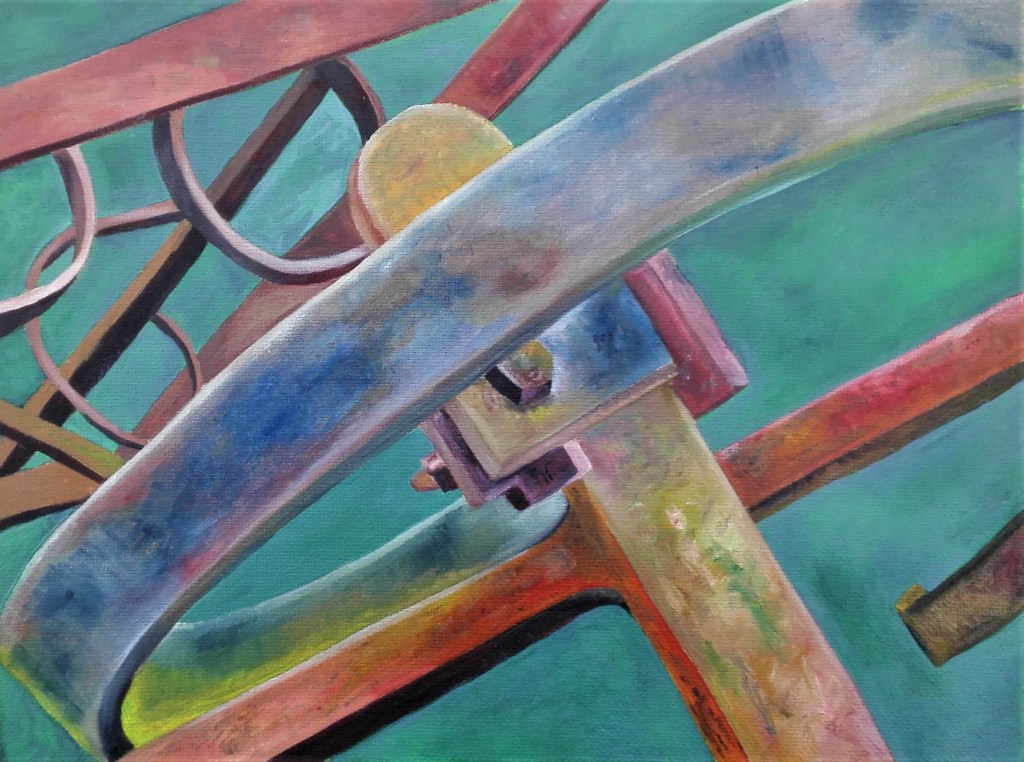
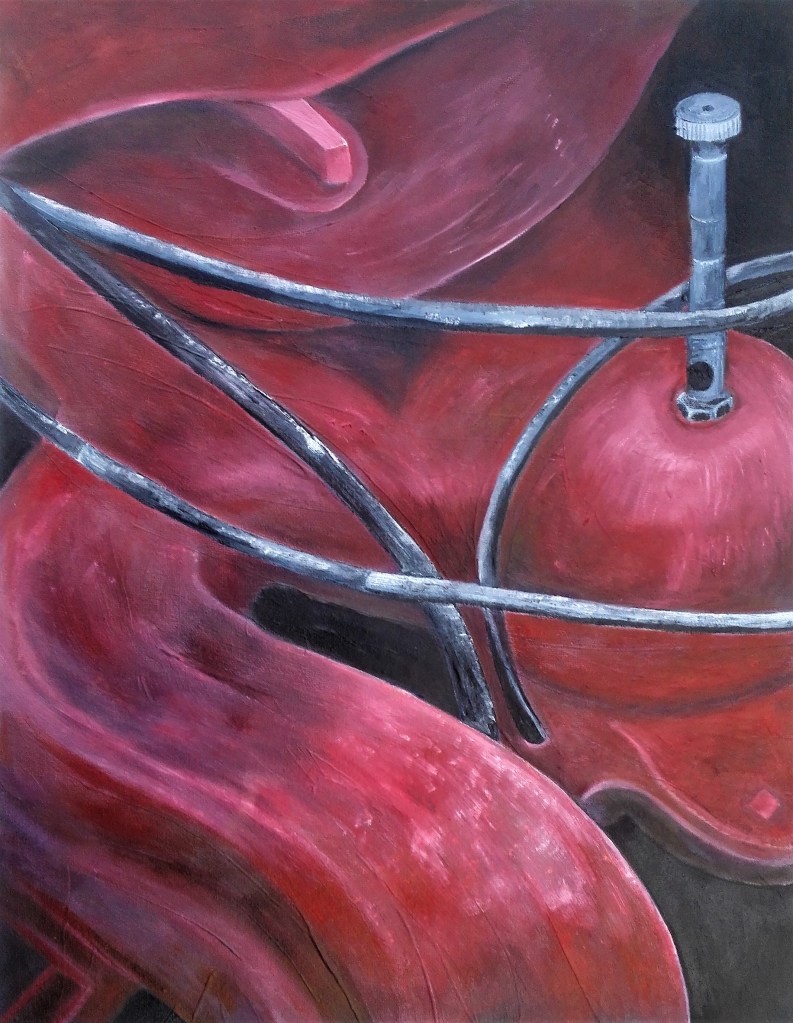
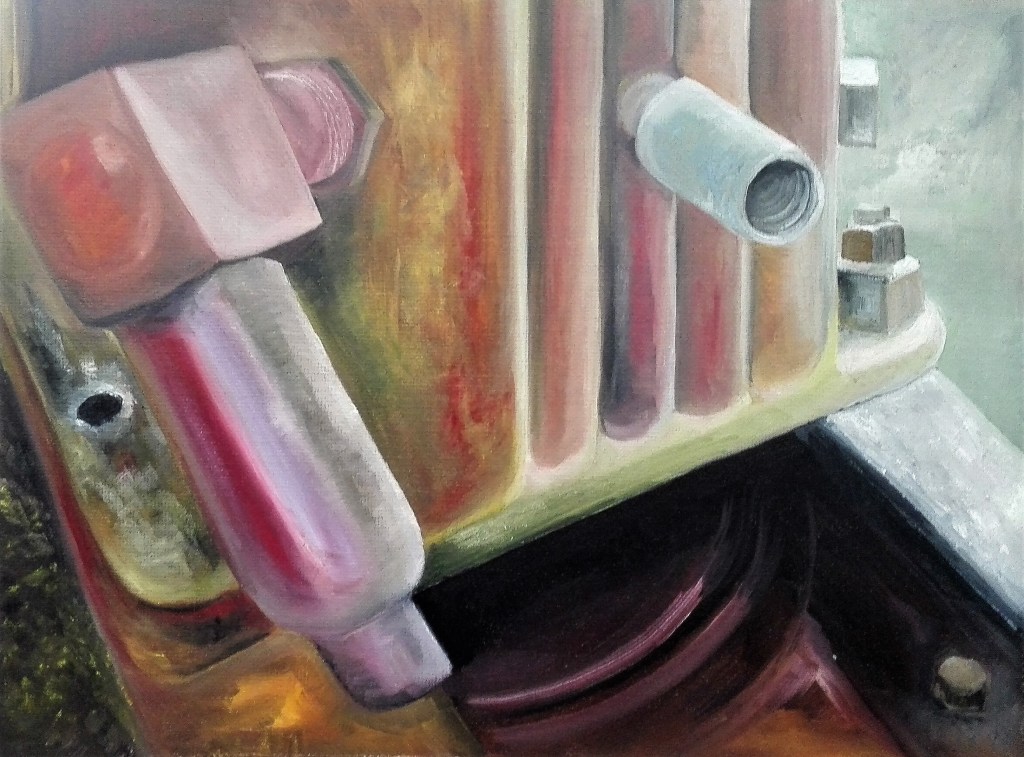
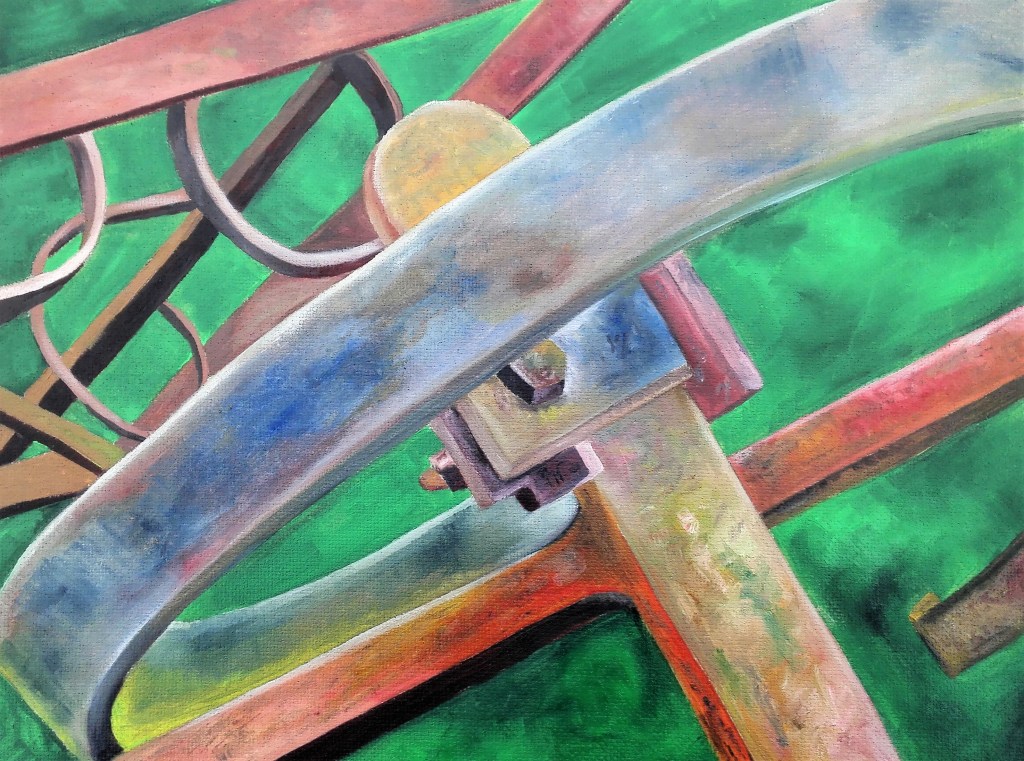
3, Old Plough, Aqua oils on linen board, 30 x 40 cms (a study of a section from an abandoned plough)

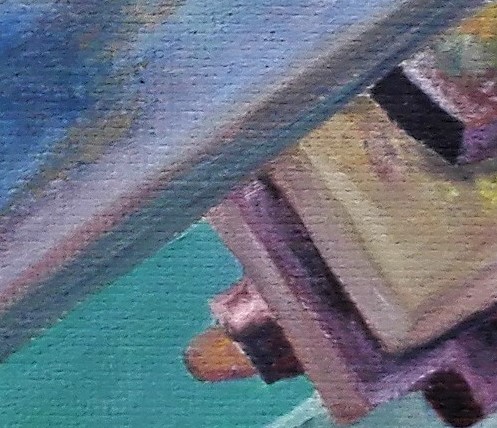
3a, Old Plough, detail from painting

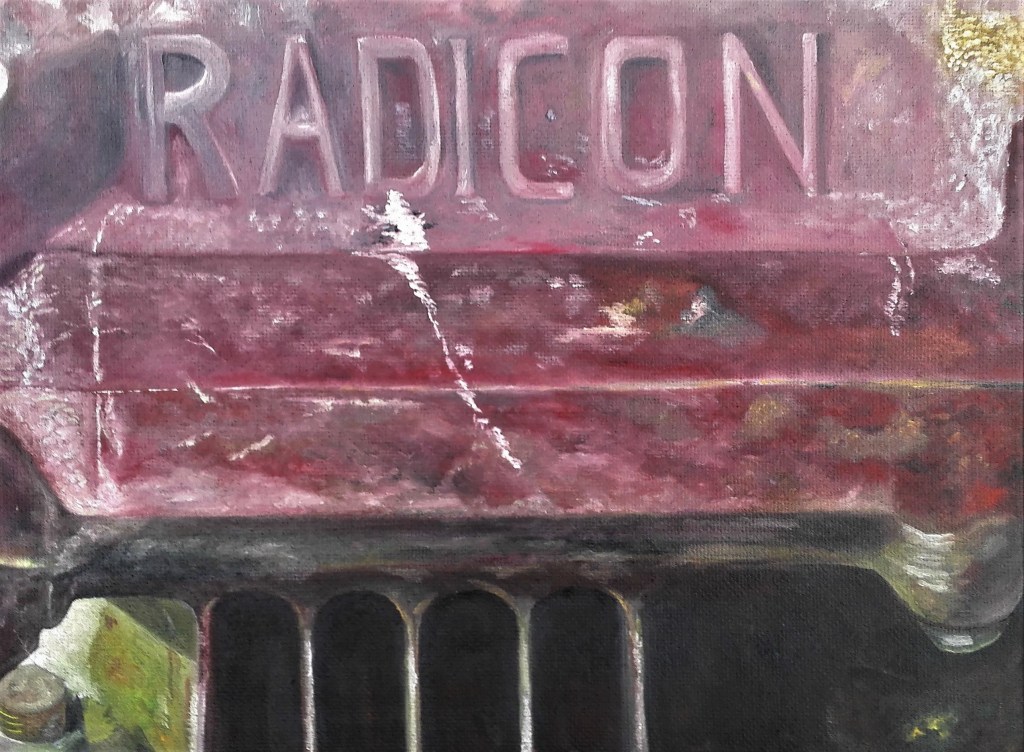
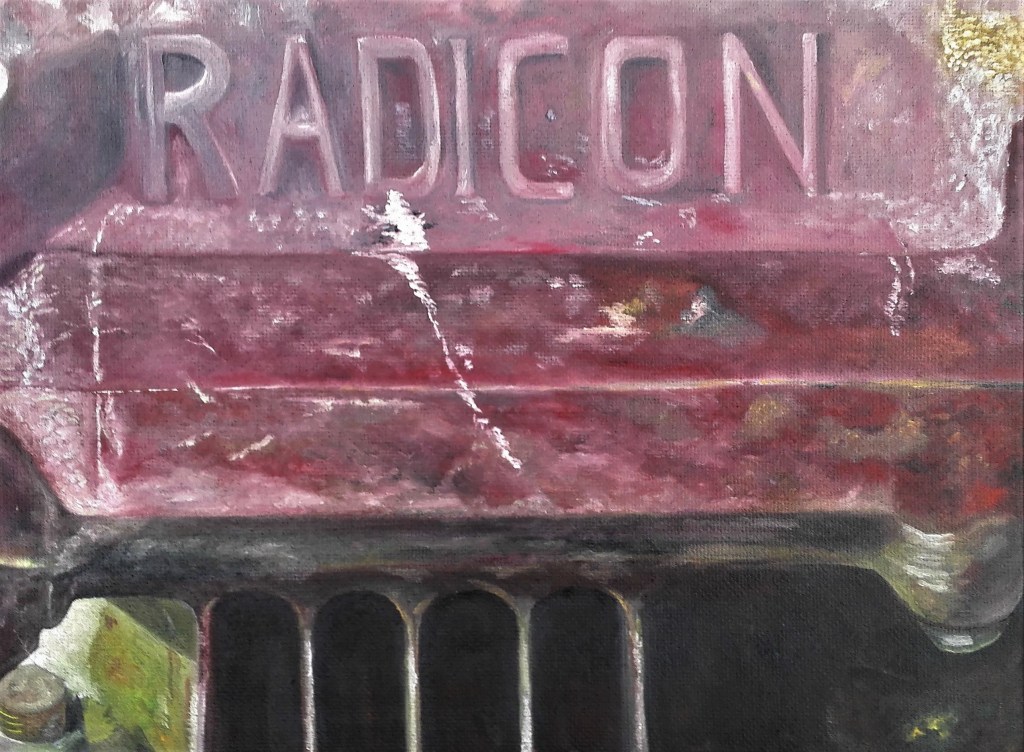
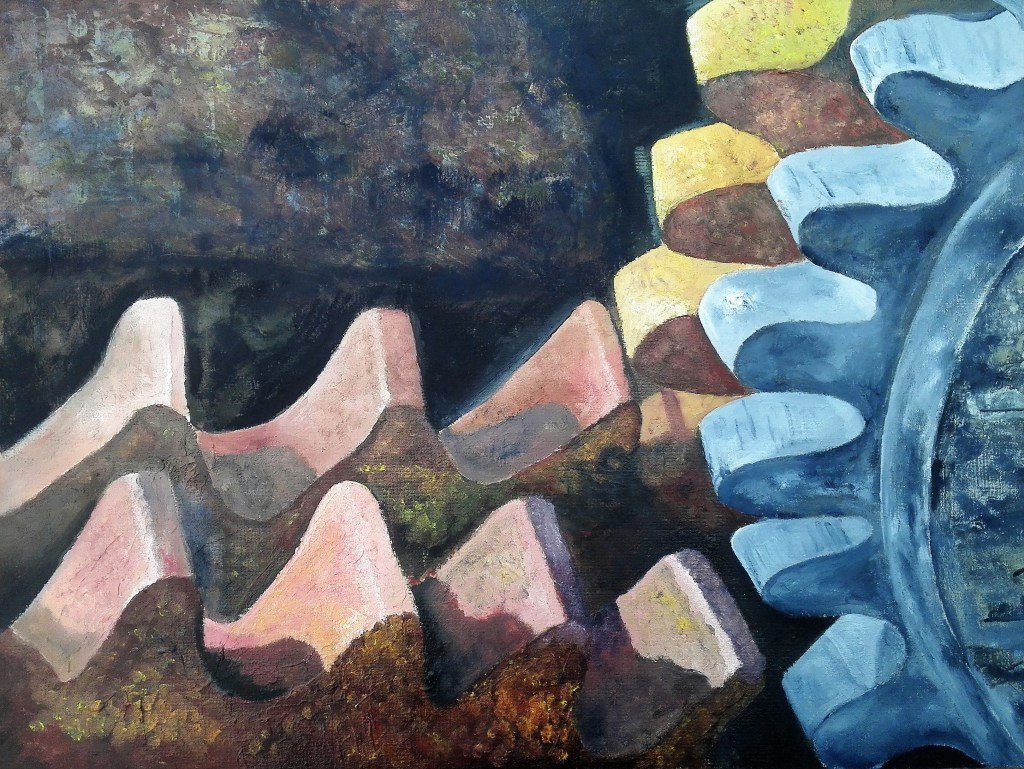
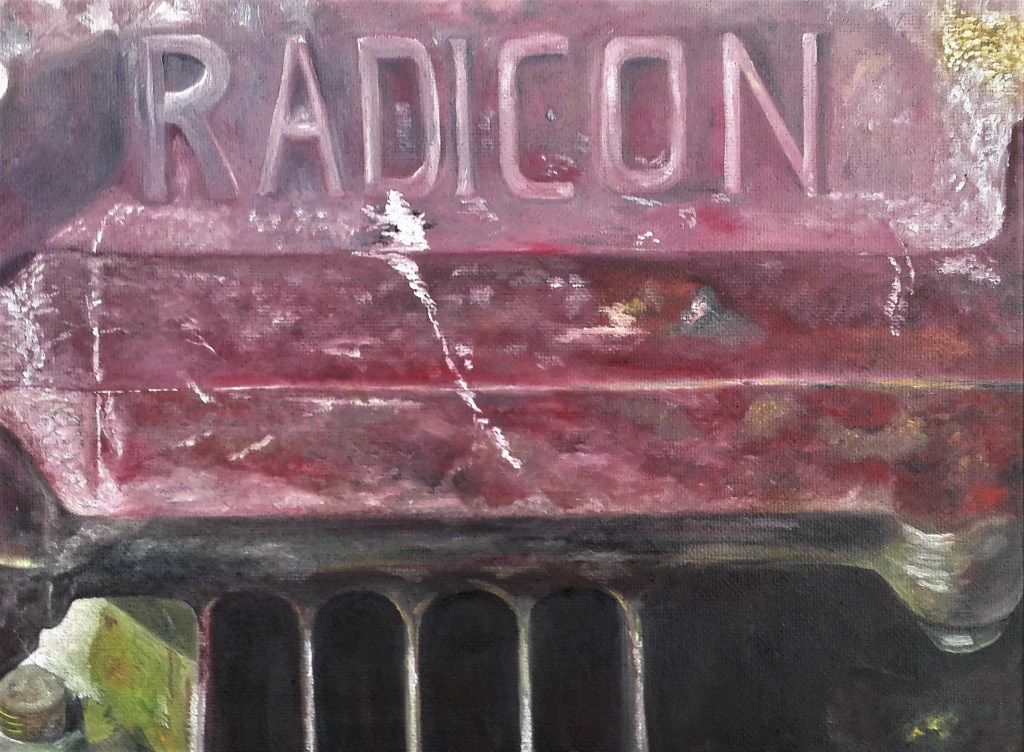
4, Radicon, Aqua oils on linen board, 30 x 40 cms (a study of part of a pump system in the Fens)

Category 2 – Decay in the landscape

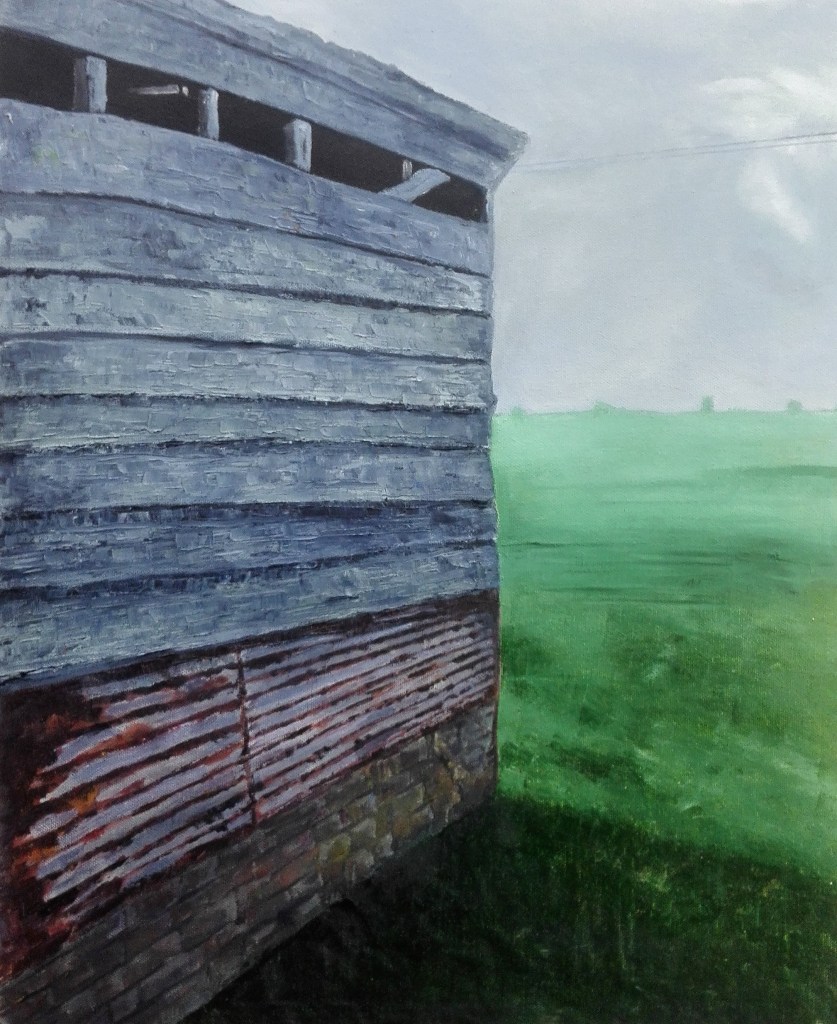
1, Ugly – beautiful, Aqua oils on canvas, 48 x 38 cms

2, Winter break, Aqua oils on canvas, 38 x 48 cms

3, Barn dance invitation, Aqua oils on canvas, 38 x 48 cms

+++++++++++++++++++++++++++++++++++++++++++++++++++++++++++++++++++

Assessment section 4

Reflective Evaluation of my progress and outcomes during Studio Practice

Whilst working through the Studio Practice course I have kept in mind the two main areas that I would need to concentrate on to ensure a successful outcome. Firstly I would need to bear in mind the Assessment criteria for HE5 level courses and would use this as a guide when reflecting on each Part of the course. The second was to be open to the expected challenges and look to overcome these by using painting.

Demonstration of Technical and Visual skills

Materials, Techniques, Observational skills, Visual awareness, Design and compositional skills

I experimented with a wide range of materials throughout the course and particularly in the early parts. I used materials ranging from discarded electrical equipment and balloons to musical instruments and string as well as various paint and drawing mediums, inks, acrylics’, oils and water mixable oils.

These materials have been applied to a range of supports including kitchen foil, greaseproof paper, and gift wrap. One that I have found that lends itself to the application of paint is acetate. Its transparent properties can add interest to paintings particularly when displayed back lit. Two examples shown below.
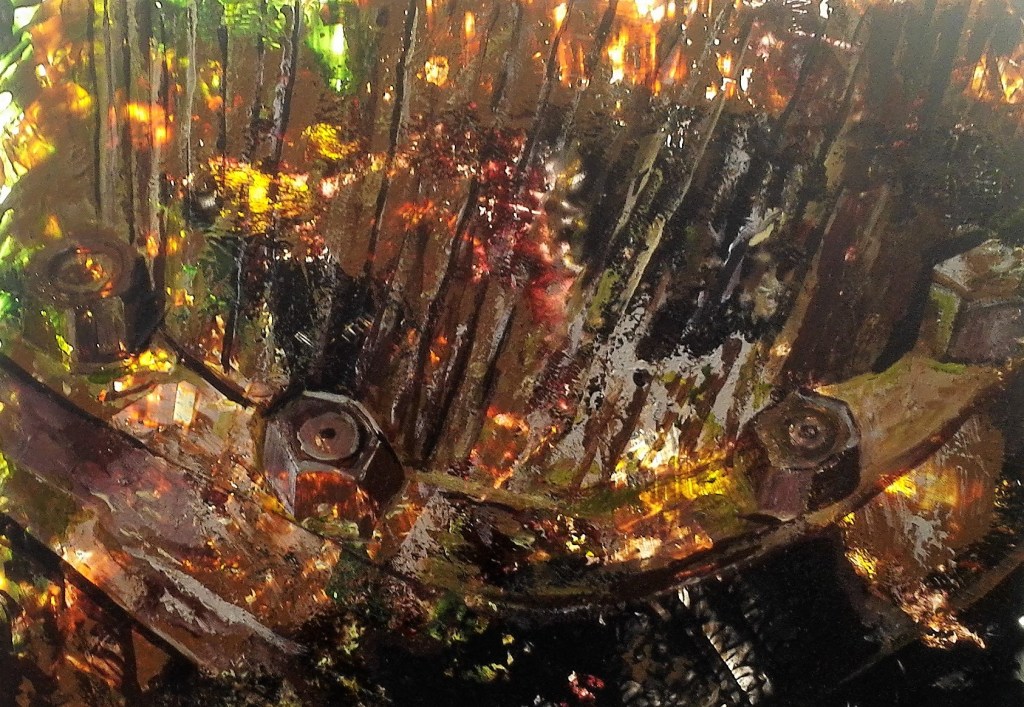
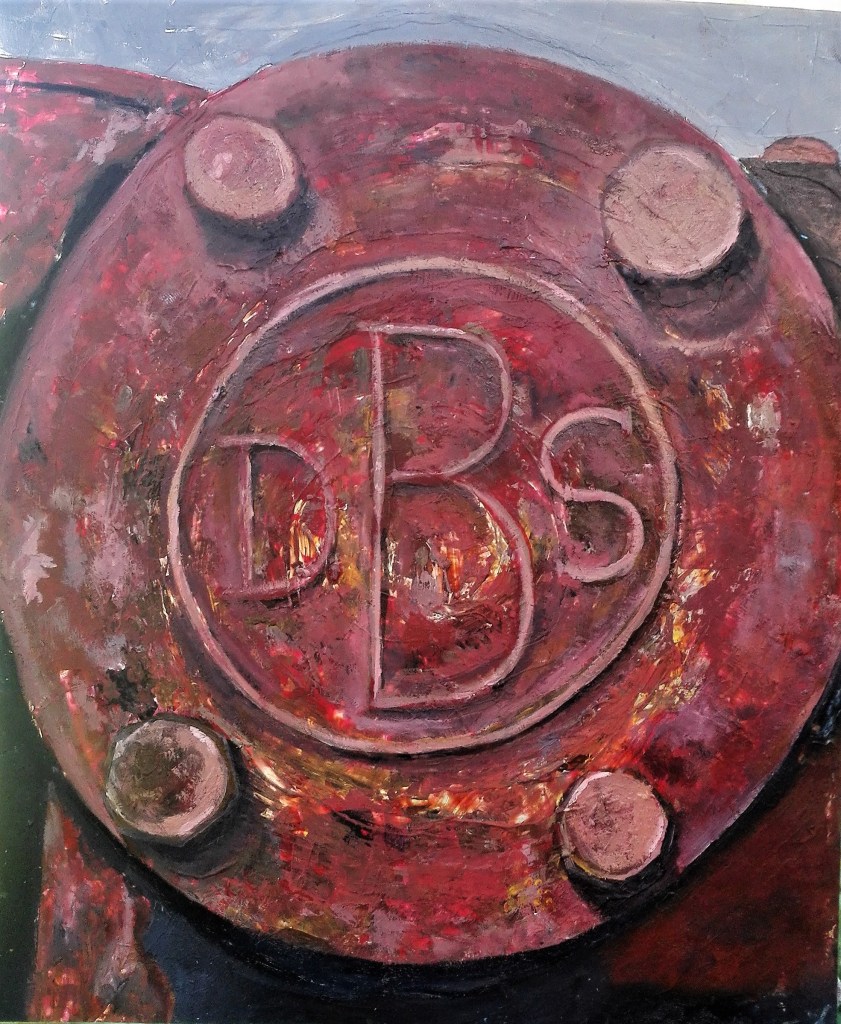
The most innovative material that I used during the course was soap. This was soap made using the cold press saponification process. My blog, link below, give more details.

Project 4 Painting without paint – Exercise 1.3 Exploring unconventional painting materials – SOAP – Mark Taylor ‘Studio Practice’ (water.blog)

Of the experimental work that I undertook in the earlier parts of the course the most satisfying were where I applied paint liberally onto acetates. This resulted in a number of pieces which have an added textural quality, see example below.
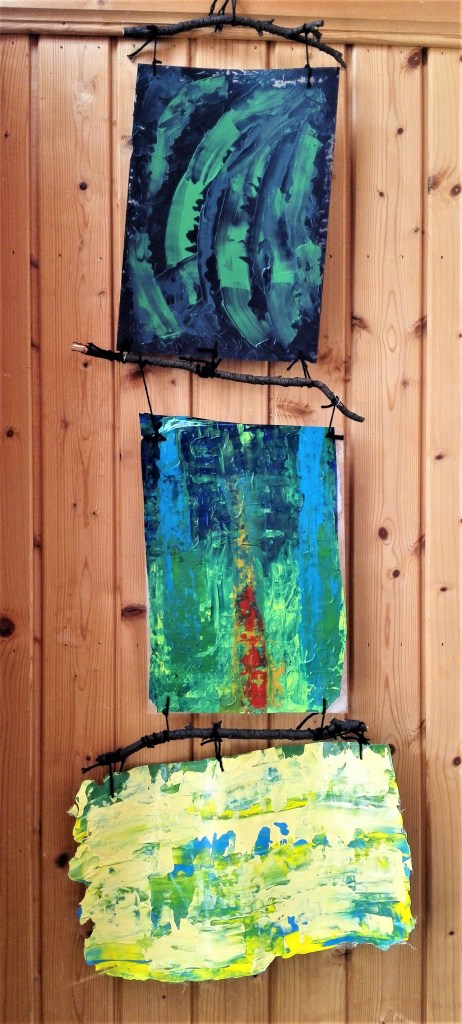
During my experimenting I have discovered techniques that I continue to refine in my paintings. These have allowed me to break down some of the rigidity of my earlier work and to further develop my personal style. The addition of a set of quality brushes in conjunction with the aforementioned water mixable oils has improved my painting.

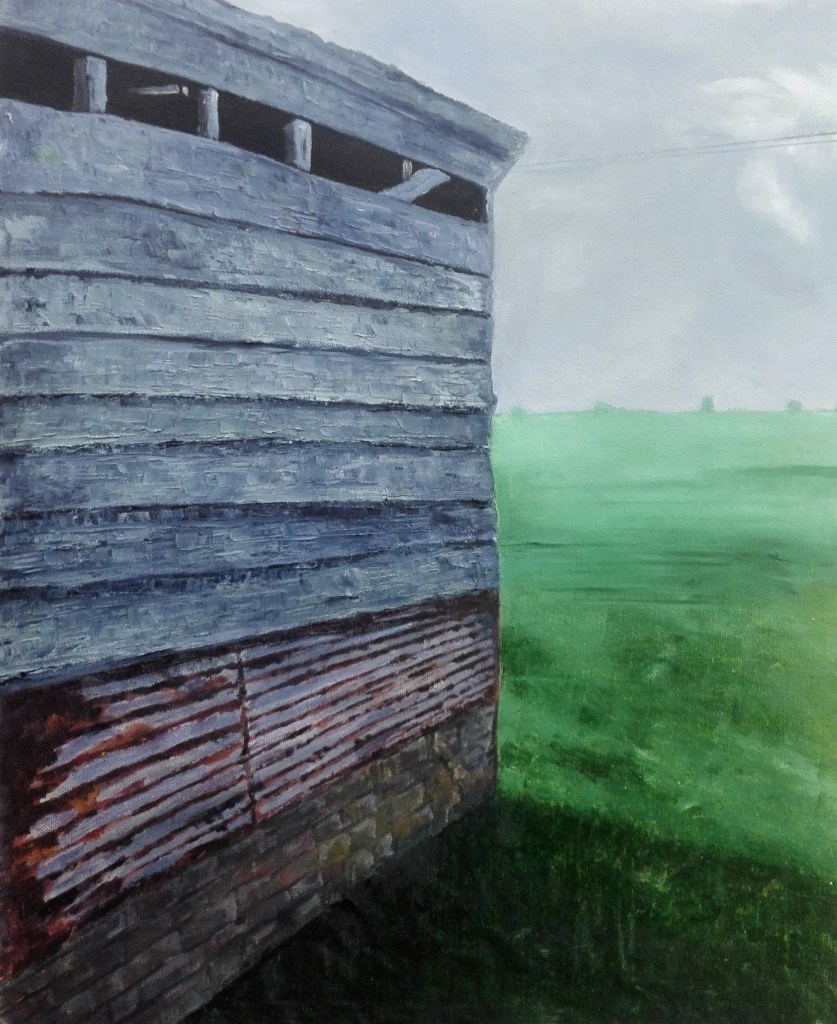
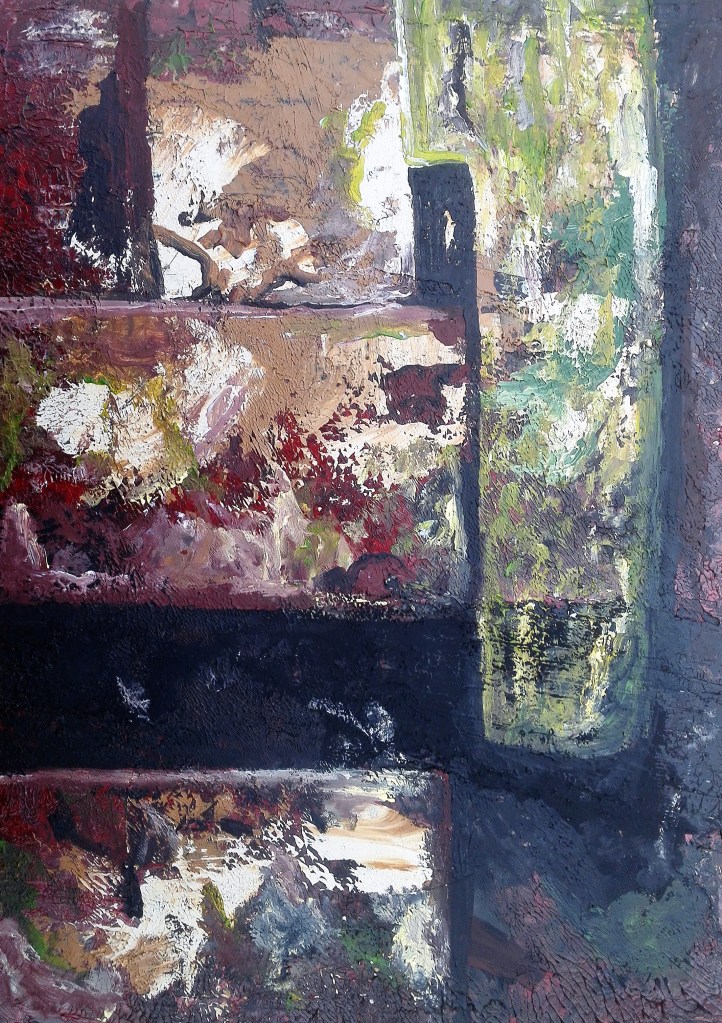
The Parallel Project became the main focus of my painting in which the two focus areas forced me to observe my local Fenland landscape in new ways. I looked to find innovative ways to portray the subjects which didn’t always result in satisfying paintings. This became apparent when editing my project portfolio. Paintings which I felt, to be contenders for the portfolio had poor composition or, in the case of the close ups, lacked visual interest. A couple of examples are the paintings below, the first composition utilises an unusual viewpoint which doesn’t quite work. In the second painting the subject matter has become overwhelmed by the colours and textures of the paint.
 Quality of Outcome

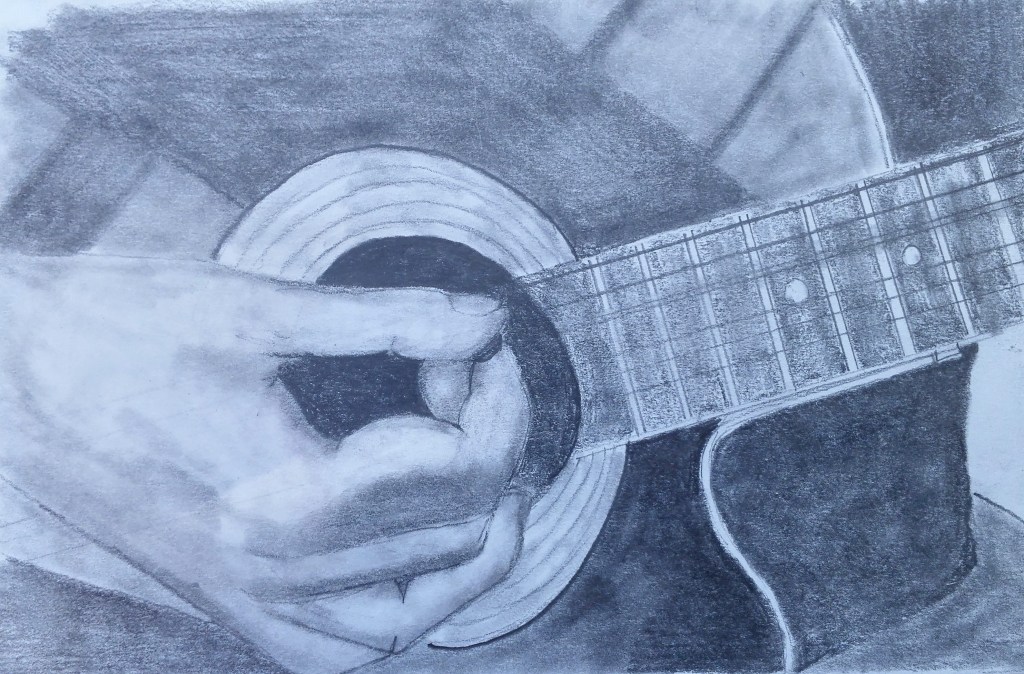
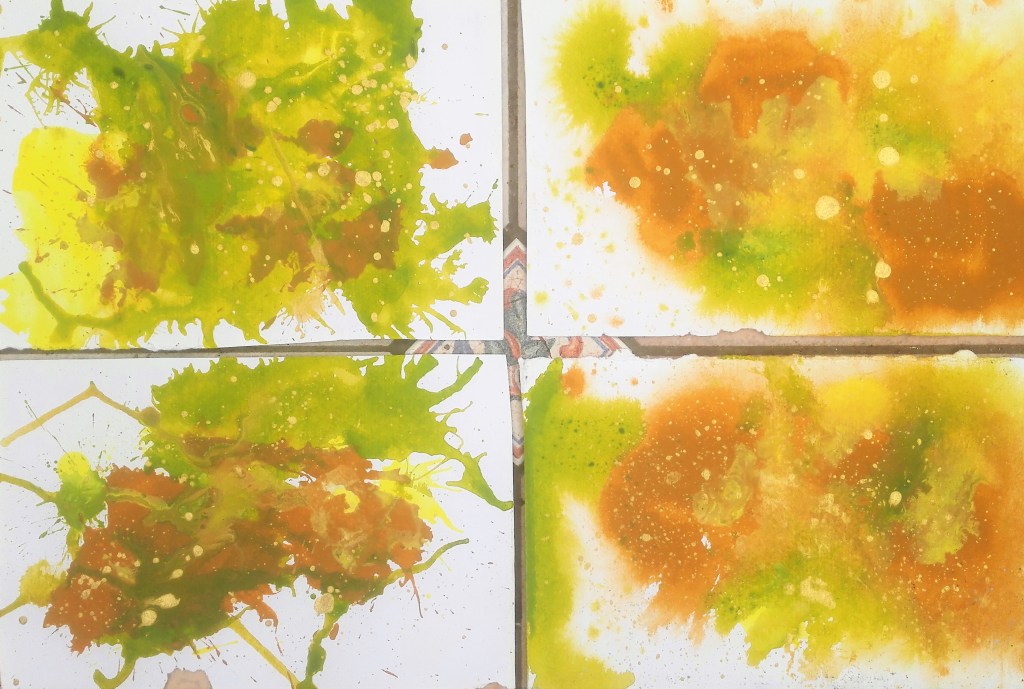
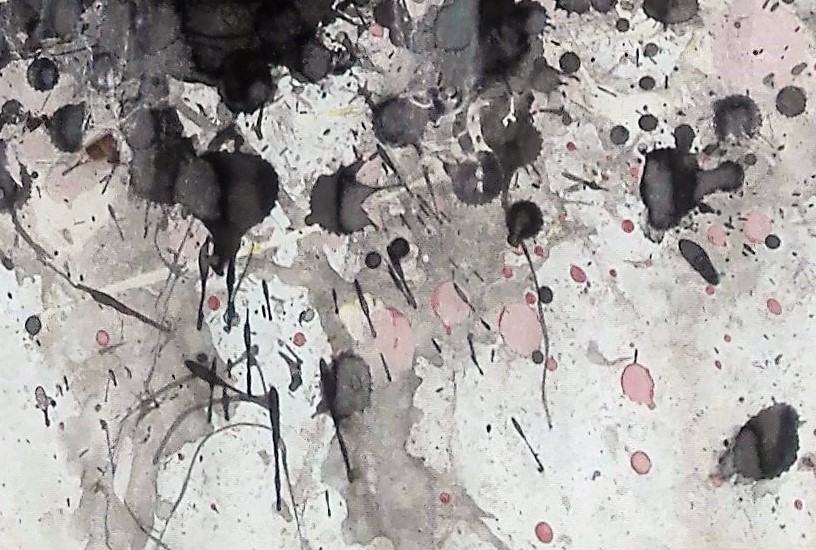
It is no surprise when I look back over my coursework that there is a dramatic variation in quality. The experimental works are always likely to be hit or miss. It is what I learn from the processes that is important. However, amongst the sketches and preparatory work are some interesting outcomes, as are illustrated by the following samples.

Sketches from ‘Body as canvas’
Colour Study collection
Sketch for ‘Ugly – Beautiful’ (one of my Parallel project pieces)’

Wind painting extract from Assignment 1
Demonstration of Creativity

From lying on the floor with pencils in my hand to creating drawing machines. I made models and used cut outs to create collages. Experimented with numerous ways of applying paint to various supports in both abstract and conventional paintings. I feel that I fully immersed myself in the course but at the same time remained true to my main focus, painting.

Context

The contextual aspect of my artistic practice has evolved over the course to the point where I now feel comfortable in writing about my art and the art of others. The best example of being my ‘Critical review’.

The inability to physically visit exhibitions and galleries during lockdown forced me to set myself a challenge to research and write about online art. I found a technique explained in the book by Gilda Williams ‘How to write about contemporary art’ (Thames & Hudson 2014 reprinted 2019) which was useful to me. This involves answering the following questions, what is it? What does the artwork look like? What might the work mean? What does it matter to the world at large?

An example of this is the extract from my blog below.

+++++++++++++++++++++++++++++++++++++++++++++++++++++++++++++++++++++++++++

No 46, Sikelela Owen,
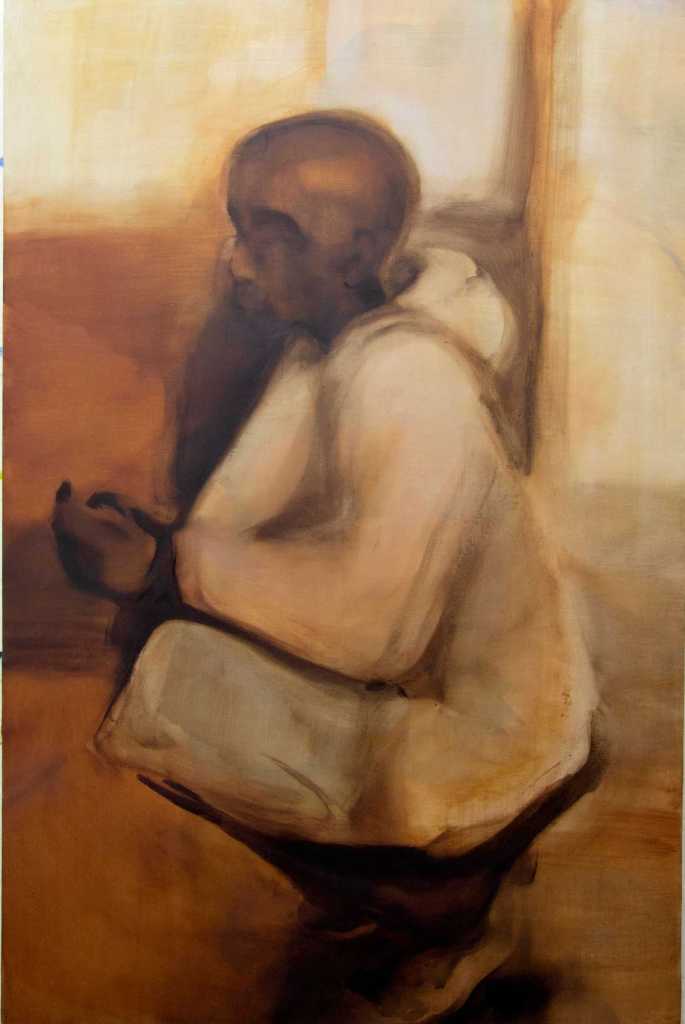
The Thinker, Oil on canvas, 150 x 100 cm, 2018

The title of this painting, ‘The Thinker’ immediately suggests some connection to the famous sculpture by August Rodin, which is an iconic work, universally recognised. To name a painting ‘The Thinker’ is to invite comparison which in turn risks unfavourable comparison. In this case I feel that there is enough space between the two works to allow the comparisons to be dismissed. Sikelela Owen’s ‘The Thinker’ is a portrait, full body, of what appears to be a young black man, crouching down and resting his body weight on his heels. His arms are resting on his knees with his hands held close together in front of him. His face, although not detailed, is looking into the middle distance focussing on nothing in particular and hence gives the appearance that he is deep in thought. The painting is a tonal study in brown hues which range from the dark brown shadows around his feet to near white on the wall behind him and on the top of his clothed shoulders. The whole painting is rendered in a soft, blurred, shimmering style which complements the contemplative mood.

++++++++++++++++++++++++++++++++++++++++++++++++++++++++++++++++++

Summary

I have found Studio Practice to be an engaging course which has challenged me. At the same time I feel that I have developed as an artist to the point where I am looking forward to progressing to the next level (HE6) and working towards my target of achieving a degree in painting.
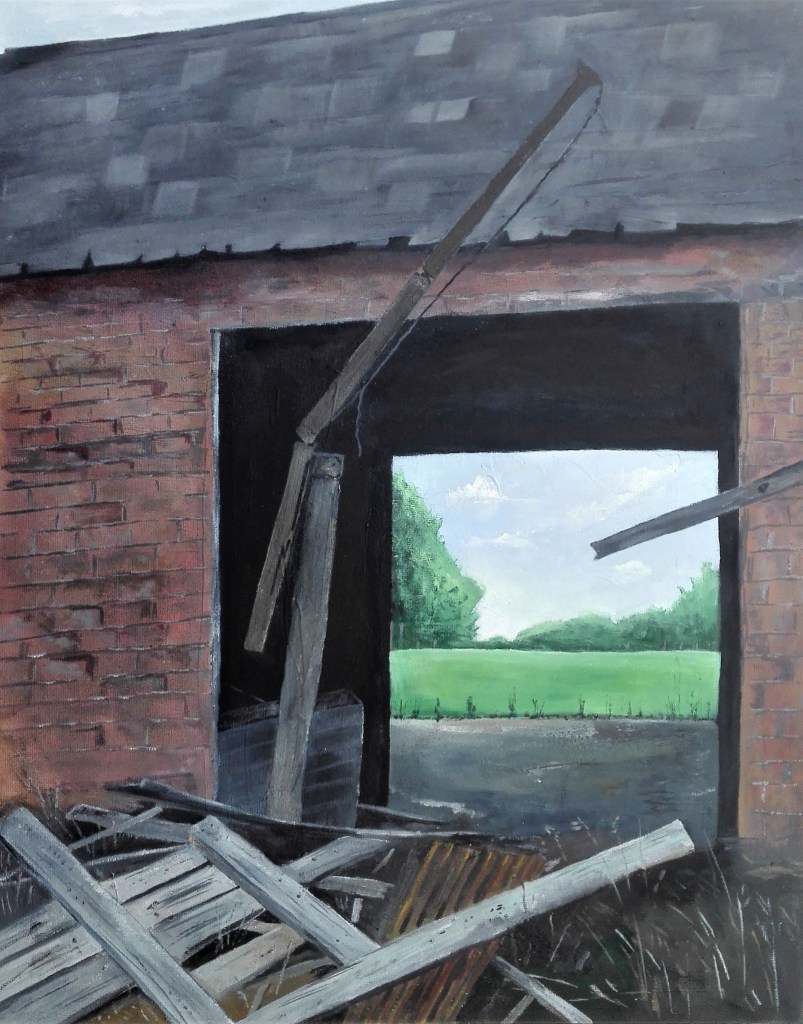
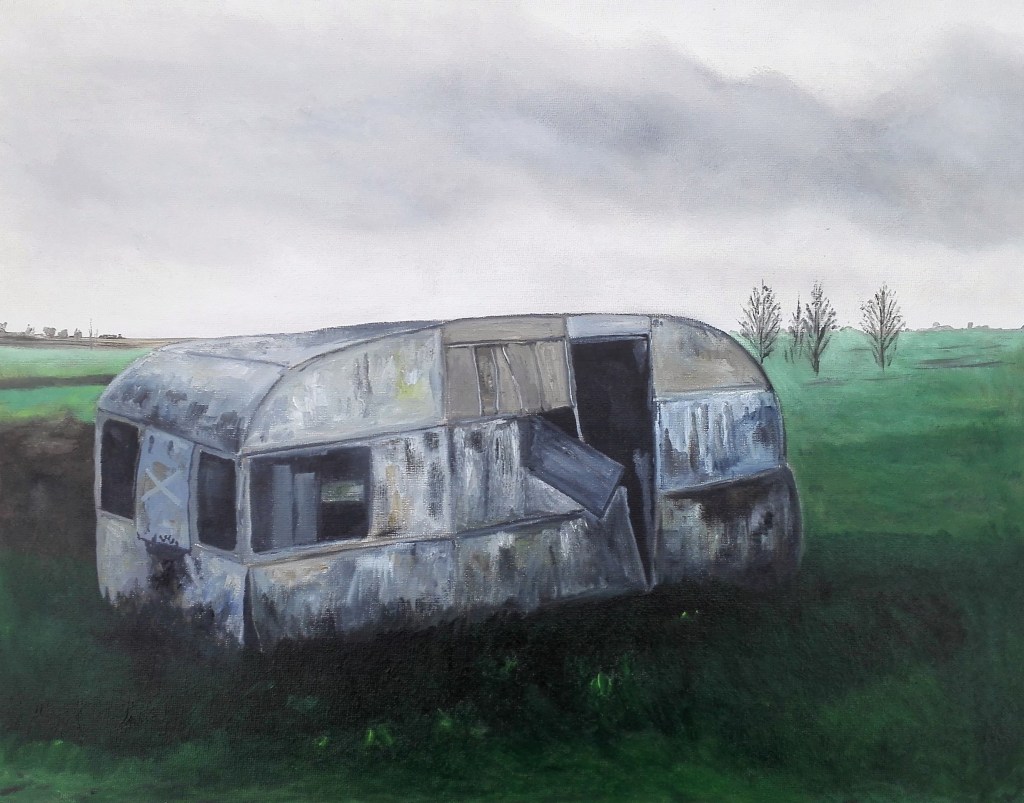
Assessment selections ?

Prior to submissions these are the Paintings that are under consideration.

The first section will be subtitled ‘Decay in the landscape’ and consists of four paintings:

Ugly – Beautiful, Aqua oils on canvas, 38 x 48 cms
Winter Break, Aqua oils on canvas, 38 x 48 cms
Barn dance, Aqua oils on canvas, 38 x 48 cms
Behind the façade, Aqua oils on canvas board, 10 x 12 inches

The second section will be called ‘Close up to deterioration’ which also consists of four paintings.

Locked up, Aqua oils on canvas board, 19 x 24 cms
Eraser, Oil and acrylic on acetate, 21 x 29 cms
Old Plough, Aqua oils on linen board, 30 x 40 cms
Radicon, Aqua oils on linen board, 30 x 40 cms

For comparison I have included below a further twelve paintings that were at some point under consideration.

I discussed the options above with Clare Wilson, tutor, on a Google hangout session on 11th January 2021. We had previously had a similar discussion as part of the Formative feedback session for Part 6. Following this previous discussion I had reworked two of the paintings, ‘Behind the façade’ and ‘Old plough’ in an attempt to bring them up to Assessment level. Whilst discussing these I noted that the version that I had uploaded were the pre rework versions. These have been updated subsequent to the discussion and the reworked versions are now shown above.

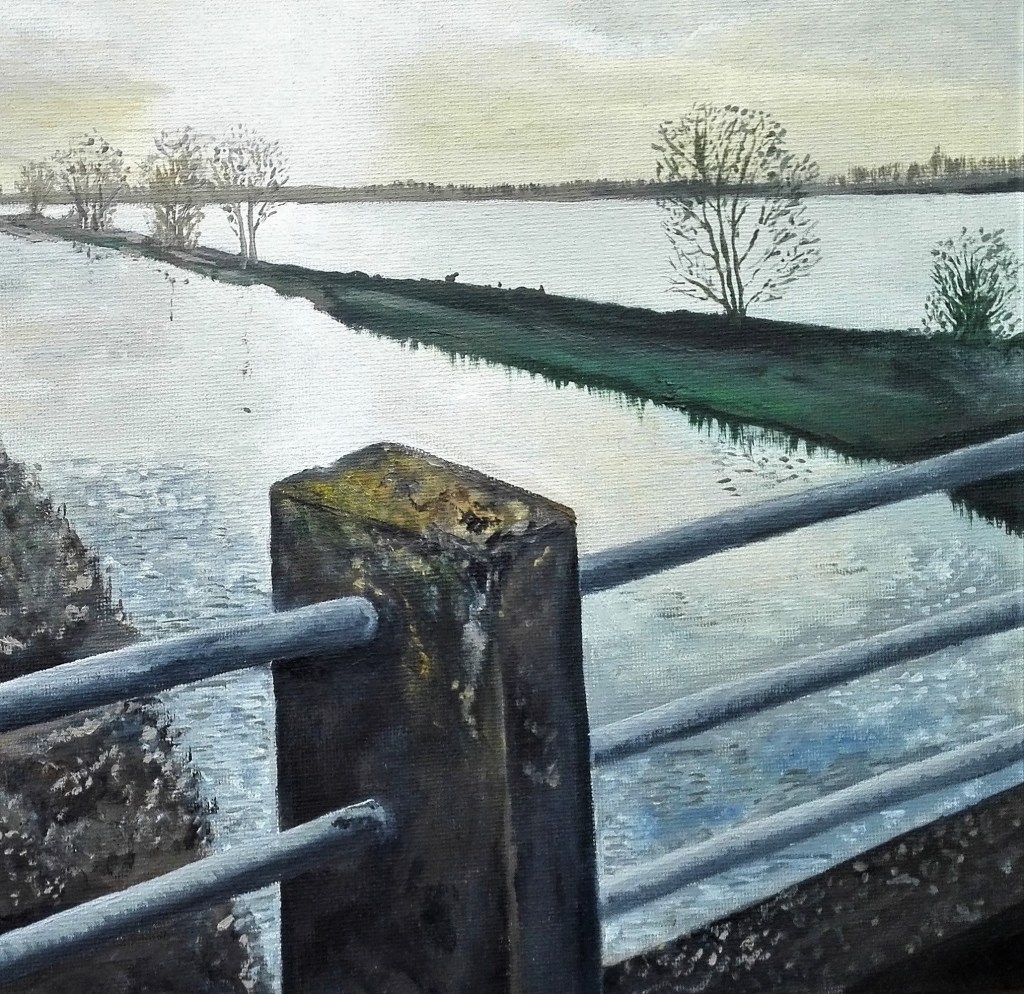
The result of the discussion was that the painting ‘Old plough’ will be submitted for Assessment but the painting ‘Behind the façade’ will be excluded. An alternative ‘View from Sutton Gault bridge’, painting no 6 in the ‘Also rans’, was considered but I feel that it is not as competent and complete as the three other paintings in the ‘Decay in the landscape’ section. Therefore I will be submitting seven paintings as part of my Assessment portfolio.

Regular review of Contemporary Artists – Final selections

This is the final selection of paintings from the Contemporary British Painting website:

Contemporary British Painting

With this final selection I have taken a different approach to my review and commentary on the paintings. I have selected my preference from the five or six paintings of each artist and will write my response to the selected work. This will be performed without any reference back to the site to read the artists or curators statements. My aim is to capture my feelings and to try and articulate them without any influence or expectation.

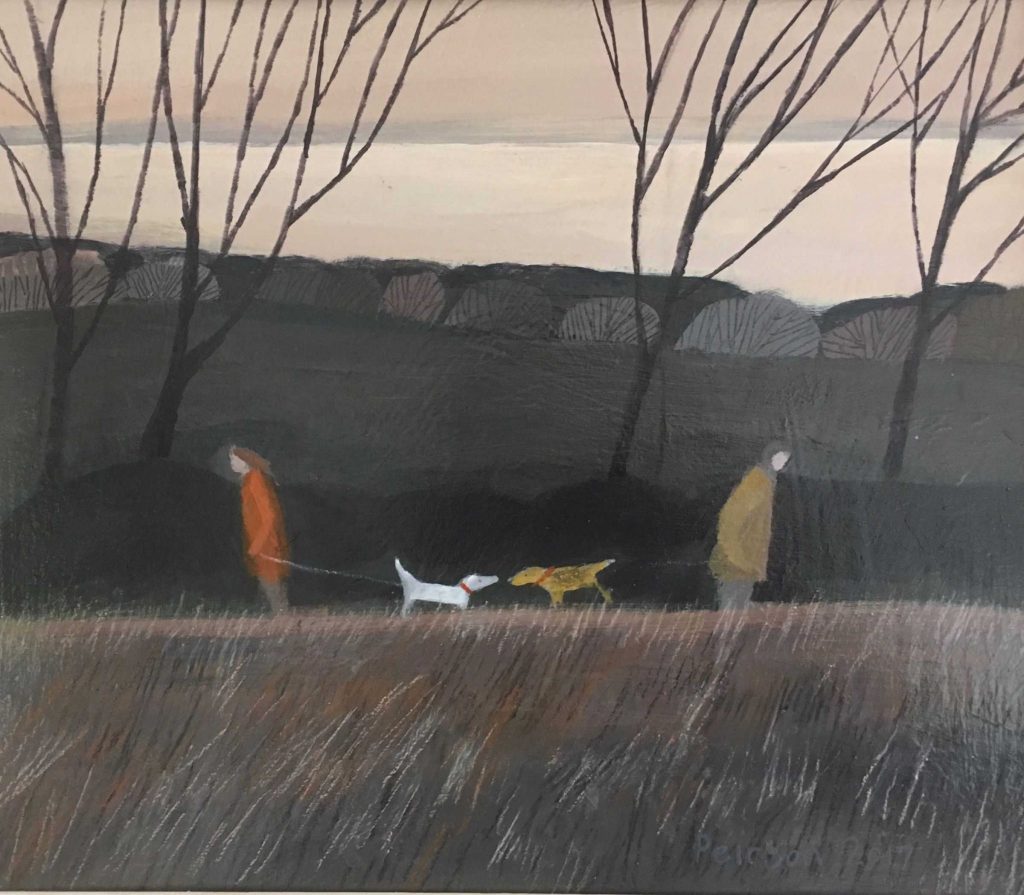
51 : Barbara Peirson

Chance encounter, Acrylic on board, 50 x 50, 2018

This painting appeals to the sentimental side of me. It is all about the point of near contact between the two dogs. In a naïve way it suggests the scene by Michelangelo on the Sistine chapel where the fingers of God and man nearly touch. This is what Comes across to me in that transitory moment where the two dogs introduce themselves. That the two humans are ambivalent of this interaction typifies how many of us pass each other by without acknowledgement. The autumnal scene is communicated in stripped back simplistic style which nonetheless is expressive.

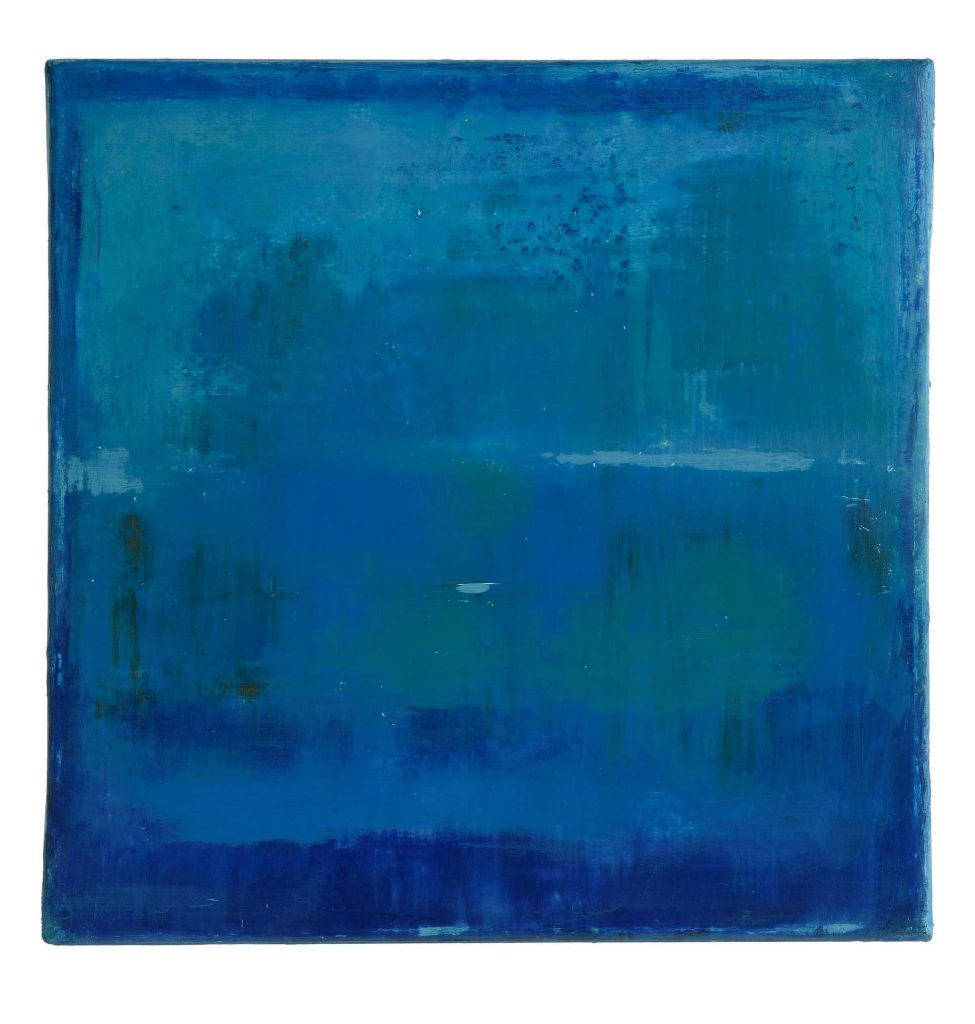
52. Ruth Philo

Breath, Oil – wax and gesso on canvas, 30 x 30 cm, 2015

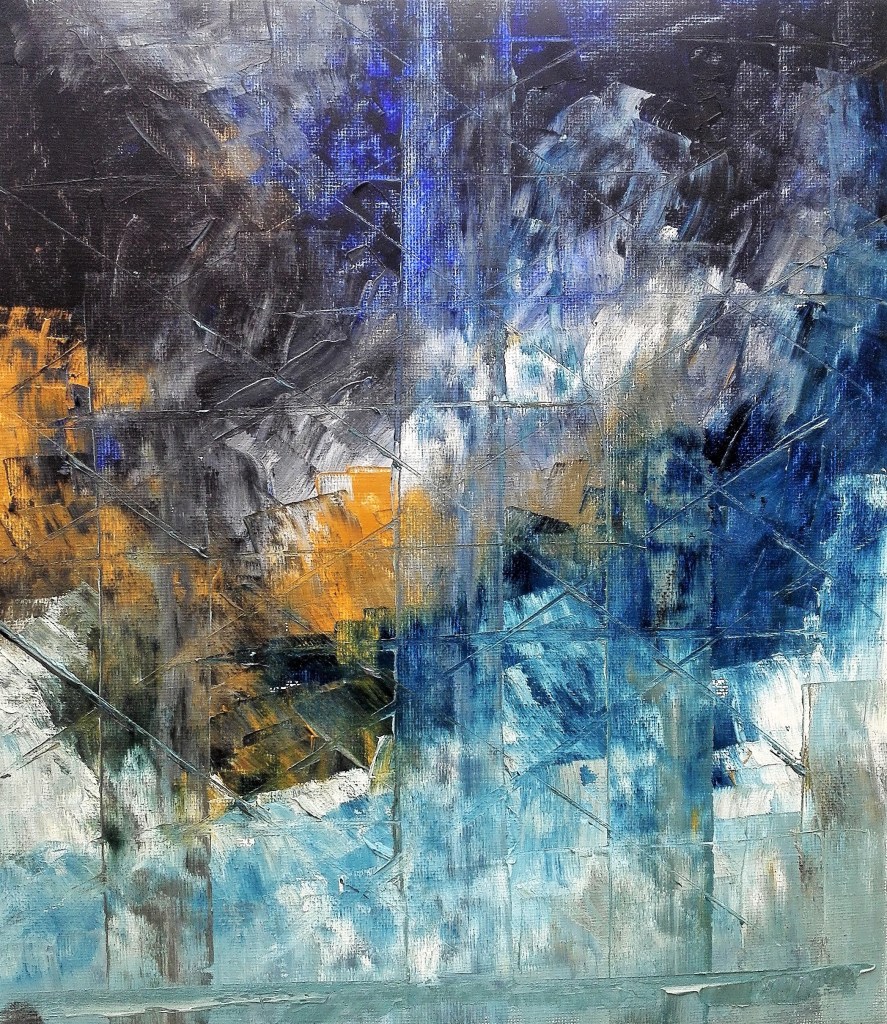
I was drawn to this abstract painting due to it’s similarity to the paintings of Mark Rothko. The Seagram murals by Rothko at Tate Modern, where I have spent much time looking at the paintings, are brought to mind. Once you relax in front of these paintings and allow the mind to wander a myriad of shapes and forms play across the canvas. Obviously the painting above by Ruth Philo doesn’t have the grandeur of the Seagram Murals as it is only 30 x 30 cms but perhaps it represents a small section. I am also reminded of an abstract painting of mine which has a similar quality. I have also now given this painting an ambiguous title.

Mark Taylor, Memory of summer, Oil on canvas, 28 x 25 cms,2020

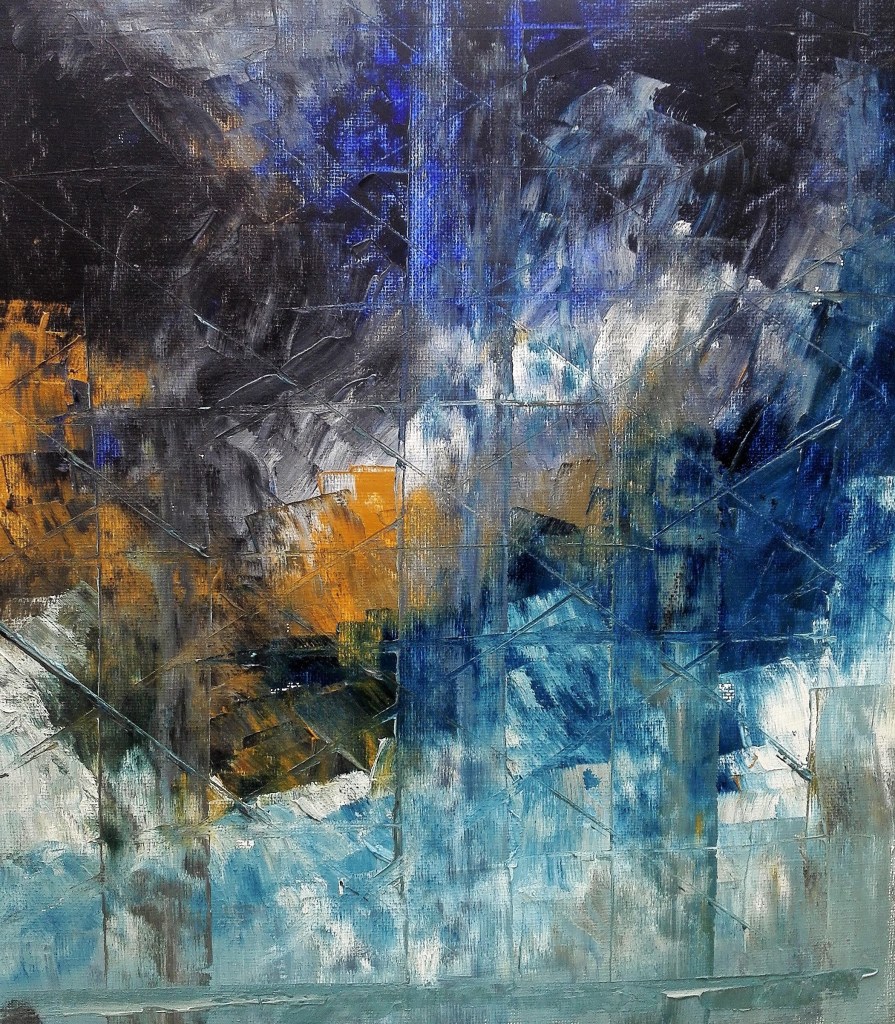
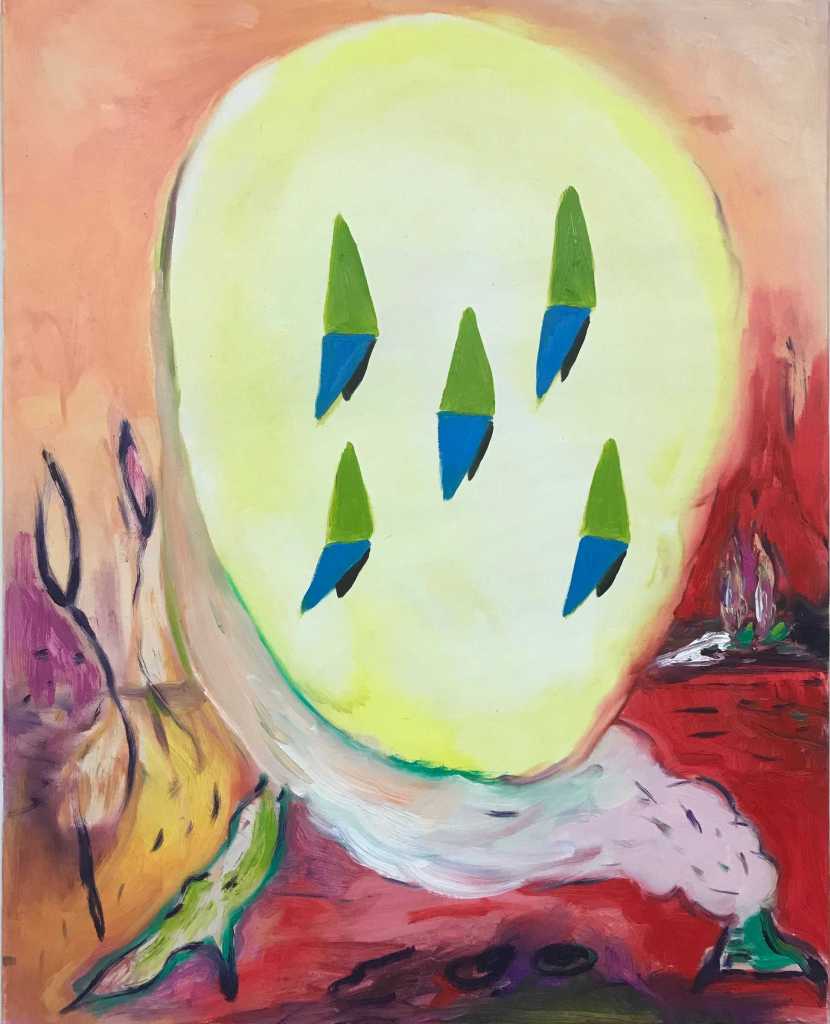
53. Alison Pilkington

A sculpture that will never get made, Oil on canvas, 50 x 40 cm,2019

I find this painting hard to read. It is a figurative study that has an unsettling look as it hovers somewhere between dream and reality. Is it forming or dissolving?

The title ‘A sculpture that will never get made’ indicates that the subject has form but this is partly negated by the ephemeral wisps of forms that surround it. Could it be that the sculpture can’t be made as it is in a transient state?

54. Narbi Price

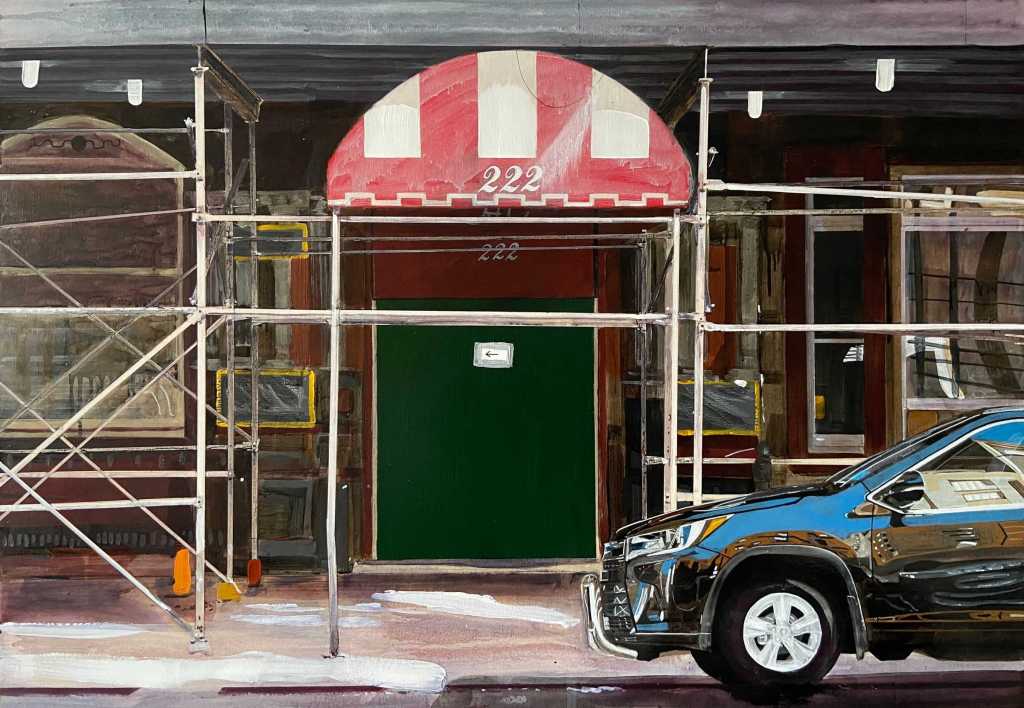
Untitled awning painting Chelsea Hotel, Acrylic on board, 70 x 100 cm,2020

I wonder whether this painting is of the same Chelsea Hotel that was the title and setting for the famous song by Leonard Cohen. Whether it is or not wouldn’t detract from the photorealistic depiction. At first glance the painting could easily be assumed to be a photograph. It is only on closer examination that the meticulous brush strokes and finely applied paint reveals itself. I am also struck by the gleaming, highly polished car situated at the bottom right of the painting. The images of the surrounding buildings, which are reflected in the mirror like surface, are finely observed and handled.
55. Freya Purdue

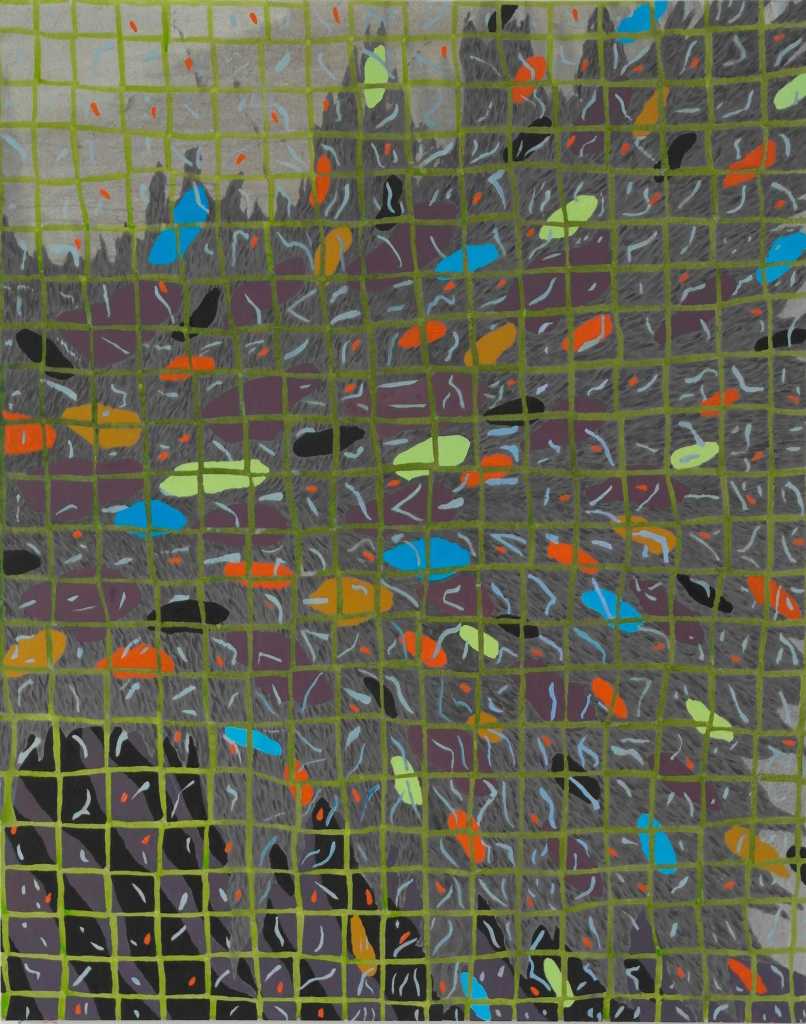
Quercus, Oil on canvas, 150 x 120 cm, 2018

The water is flowing beneath the grid that our feet we are standing on. The colour pebbles and fish flicker against the river bed and the vegetation. This is what I see when I look at this painting. Was this the intention of the artist, I don’t know.
56. James Quin

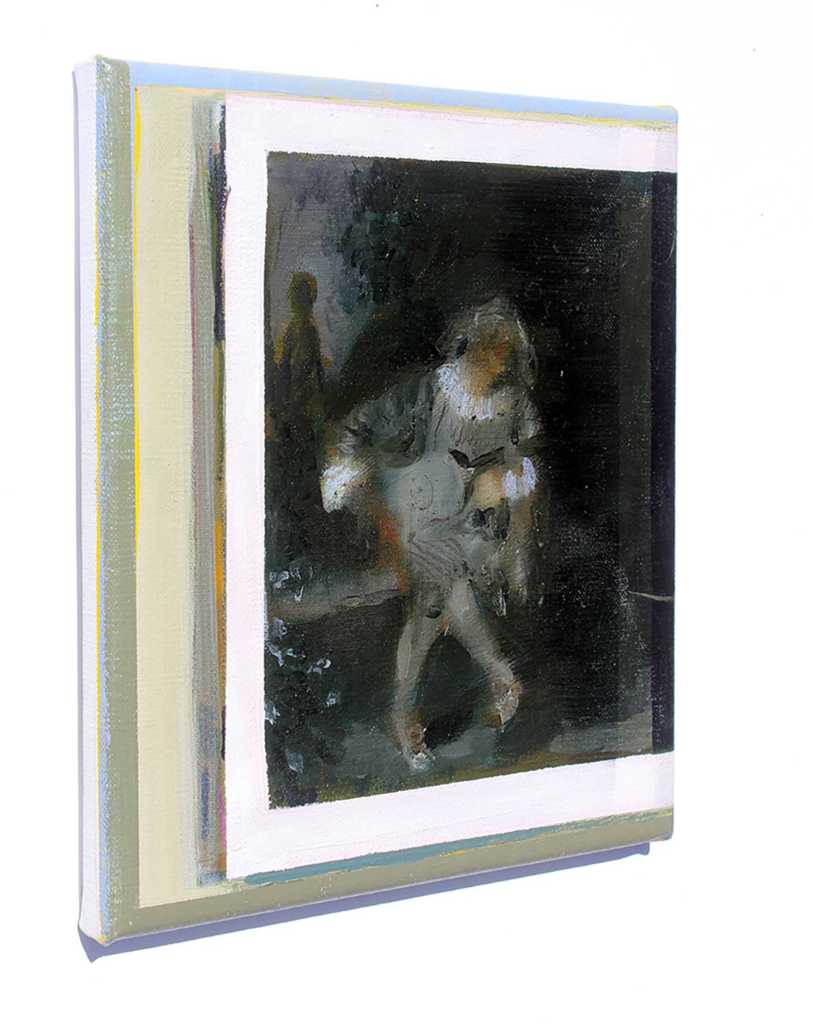
Repetition from reproduction, after Watteau, Oil on linen

This painting was one of a collection where the artist created a blurred reproduction of a painting from art history. In each one they give a clue to the original in the title, in this example ‘after Watteau’. Is the artist intending to blur the links back to the original works or remind us of the past?

57. Greg Rook

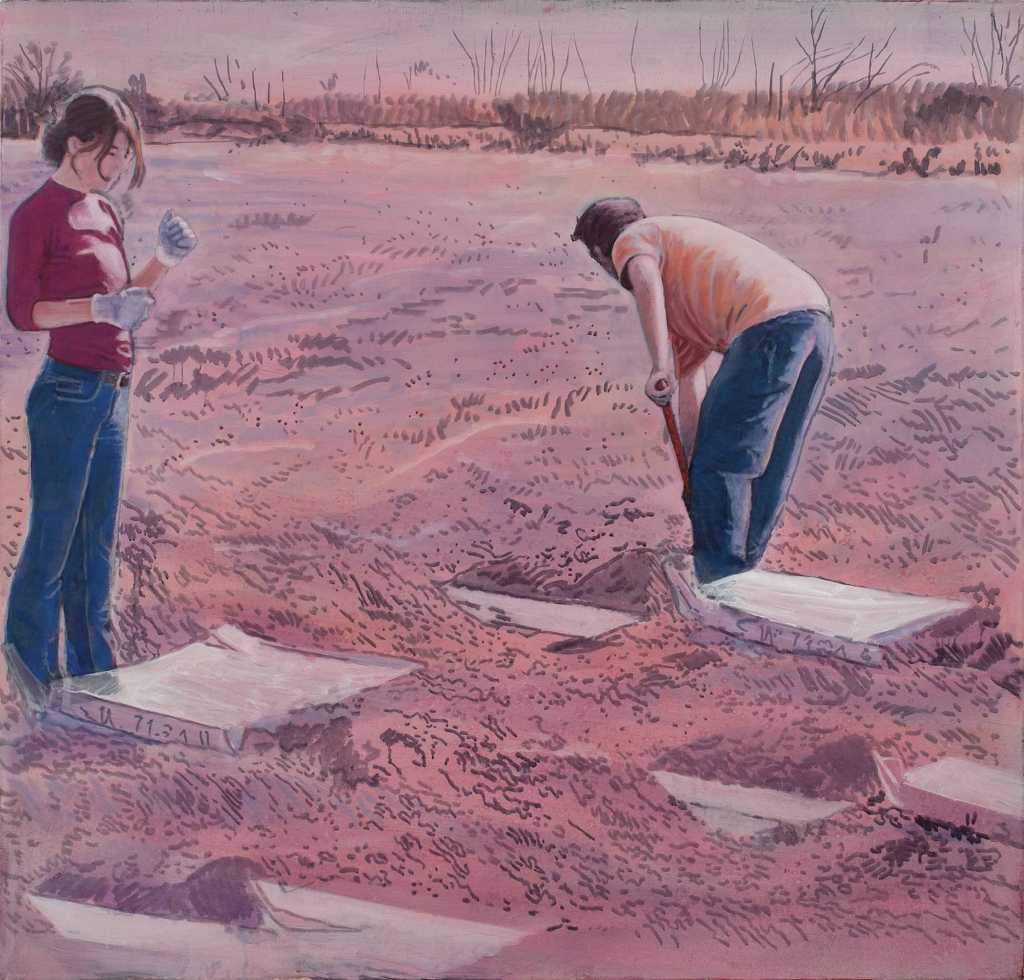
It is the land they represent, Oil on canvas, 118 x 123 cm, 2019

In the year of Covid 19 this painting takes on a poignant significance. I note that it was completed in 2019 and therefore could act as a prediction. However it is more likely to reference a conflict or conflicts in general where the outcome has not been good. The male figure digs the graves whilst a woman looks on. The soil is thin and sandy, orangey red in colour and the background bleak with leafless trees. The title hints at the circle of life returning the bodies to whence they came.

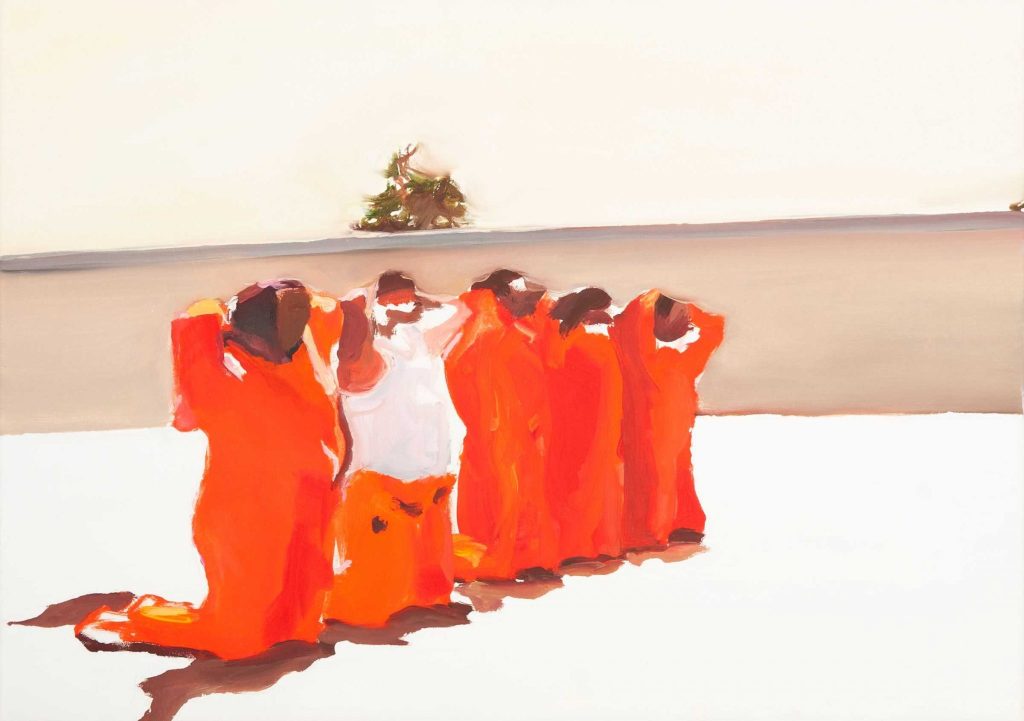
58. Katherine Russel

Like Guantanamo, 70 x 50 cm, 2018

The blurred forms of five kneeling men, hands above their heads await there fates. They are all dressed in identical orange clothes except for one whose top is absent and reveals a white t-shirt. The shadows of the men are more or less directly below them suggesting that the sun is high above, beating down on the hard white surface. A high wall in the background with a tree top just visible above it completes the scene. A depiction of imprisonment and fear.

59. Wendy Saunders

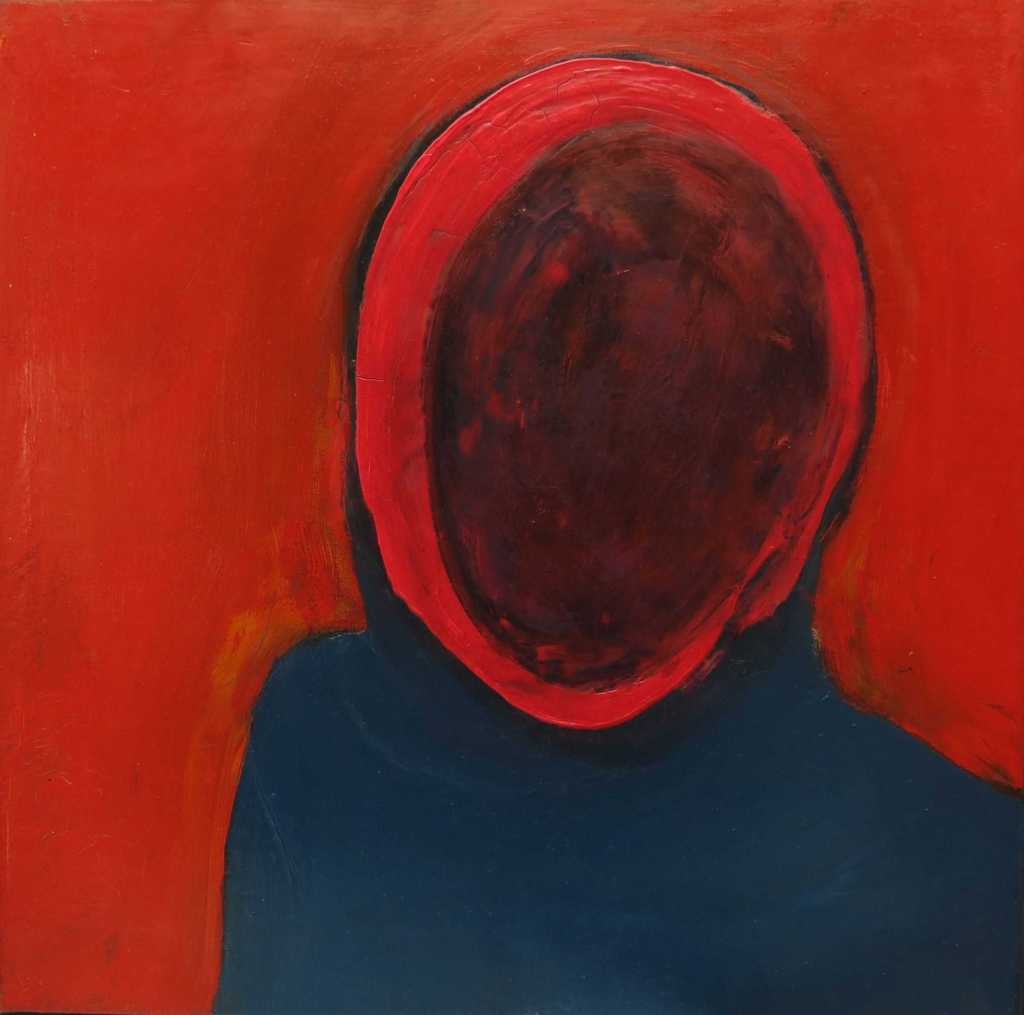
We are all Pussy riot, Oil on linen, 40 x 40 cm, 2013

The key to this painting is in its title where it references Pussy Riot the Russian feminist protest punk rock and performance art group. The groups membership has always been numerous and changeable making the individuals members of less importance. They are often photographed wearing knitted balaclavas to hid their identities. Wendy Saunders painting uses this anomality to great effect, the simple figure is featureless, the pose is threatening and the colours bold and challenging.

60. Stephen Snoody

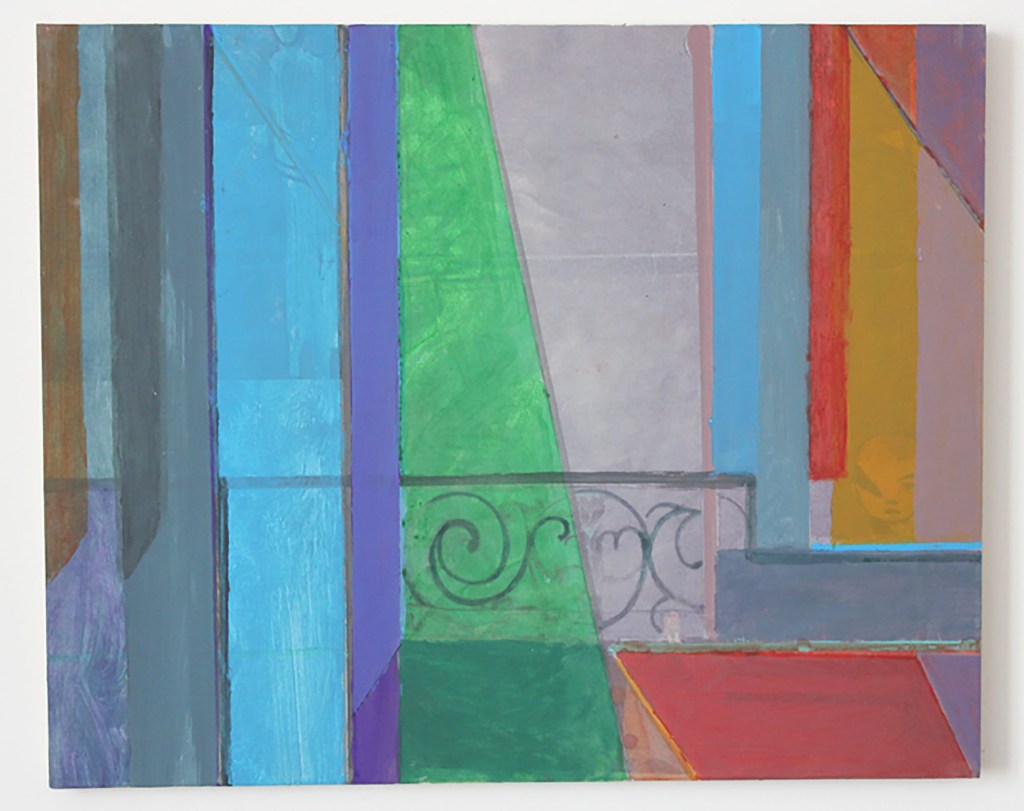
Untitled 132, after Matisse

The influences of Henri Matisse run through this painting. The blocks of pastel colours, the suggestion of looking out of a room towards the view outside are an amalgamation of idea and parts of paintings by Matisse. Stephen Snoody has been honest with the viewer as to the influences which, I feel, enhances the experience of looking at this painting.
61. David Sullivan

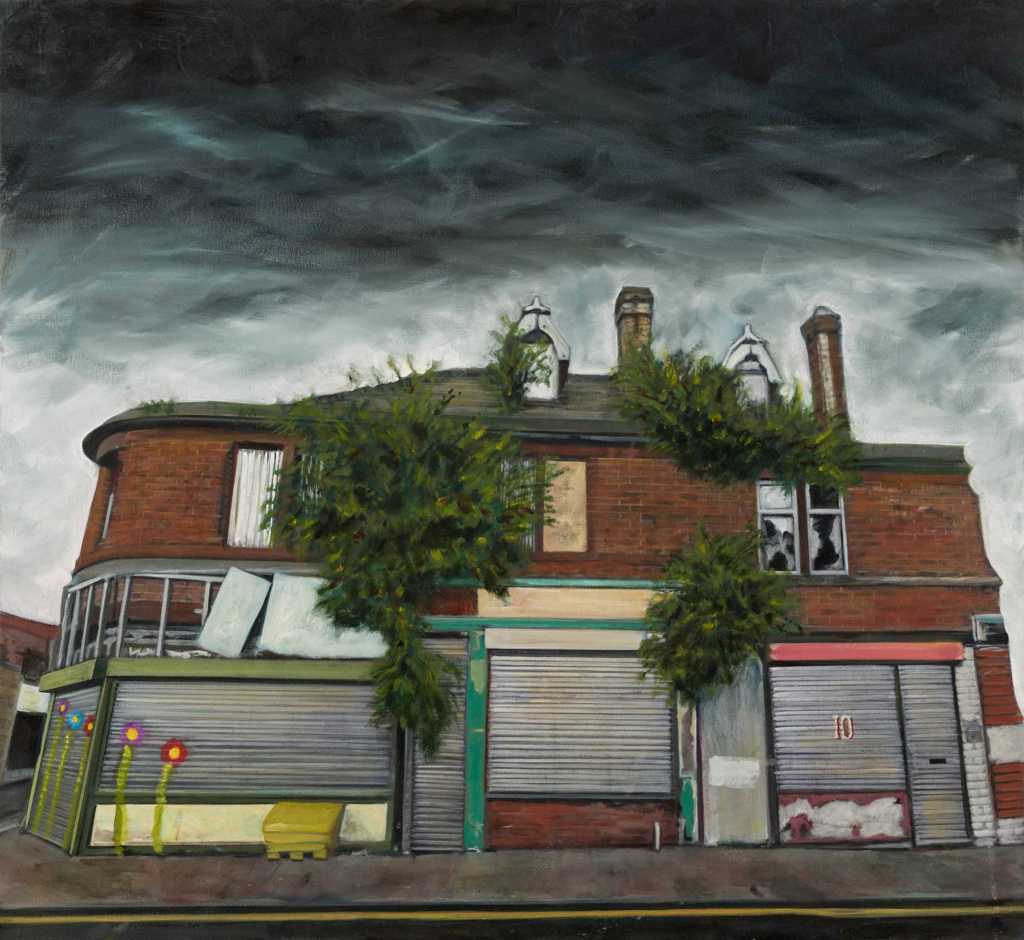
All the riches of Britain, Oil on canvas, 90 x 97 cm, 2014-15

This painting immediately resonates with me as there are numerous links to my own practice and subjects matters. The painting depicts a row of run down shop fronts which are all part of a decaying building. There are shrubs growing out of the brickwork, the windows are either smashed or boarded up and the shop fronts are covered by shutters some of which carry graffiti. The scene is depicted under on ominous looking leaden sky. To top it all there is a direct reference to the political and social economic situation in which the scene exists as the title of the painting is ‘All the riches of Britain’.

62. Harvey Taylor

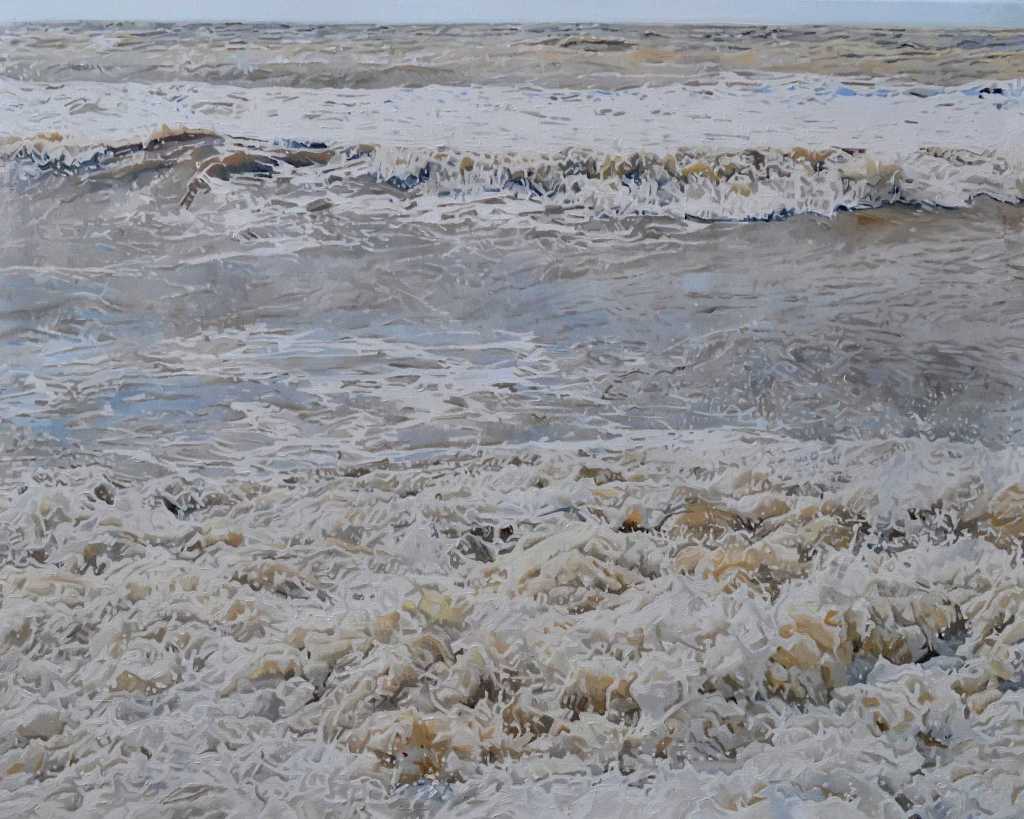
Foamy Sea, Oil on canvas, 70 x 100cm, 2017

A moving, as in the movement of the subject, study of the sea making landfall. It is not a particularly rough sea just a typical series of waves meeting what I suspect is a pebbled beach. The foreground is all foamy, bubbling whiteness, the middle ground is the sea taking breath in readiness for the next wave which can be seen forming just behind it, this leads to the choppy sea behind and in the background a thin line of distant sky. The whole scene is wonderfully observed and meticulously painted.

63. Molly Thompson

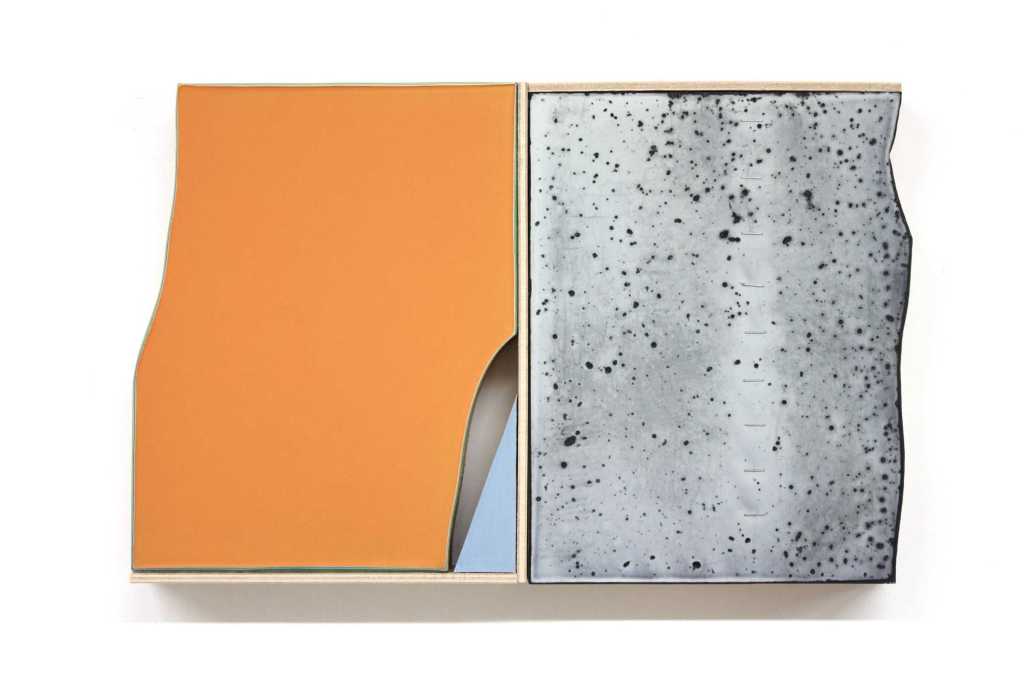
Bachgroundnoise 2, Acrylic on panel, 25.5 x 40 cm, 2020

This painting is much harder to read than the previous ones. I struggle to get past the literal interpretation of what I see. It is a near photorealistic painting of two wall tiles, one pale orange the other speckled grey, which have been presented to us partially framed and displayed on a white wall. The tiles have broken edges which the orange tile casts a shadow which although realistic doesn’t follow the contour of the broken edge. I guess that there is a clue to the work contained in the idiosyncratic title but it passes me by.

64. Judith Tucker

I only come here when the weathers good, Oil on linen, 60 x 80 cm, 2019

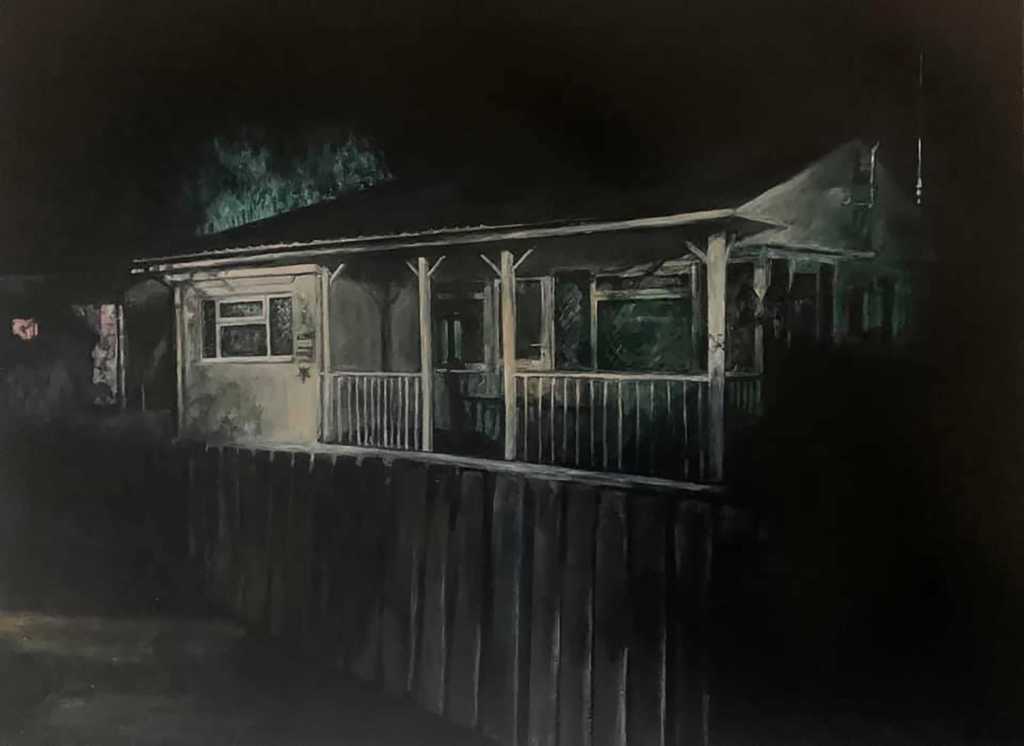
This painting very much resonates with my own practice. There are similarities in topic, composition, style and technique. In Judith’s painting we are shown what looks to be a holiday home, a chalet, perhaps situated neat to the coast. It is late, maybe the middle of the night, the chalet has a ghostly appearance hovering in the half light. There are shadows all around the building and there is no light emanating from it. All is quiet. What happens here, what has happened here? Nothing is revealed it is left to our imagination. The whole scene and the storytelling is supported by the cryptic title ‘I only come here when the weathers good’

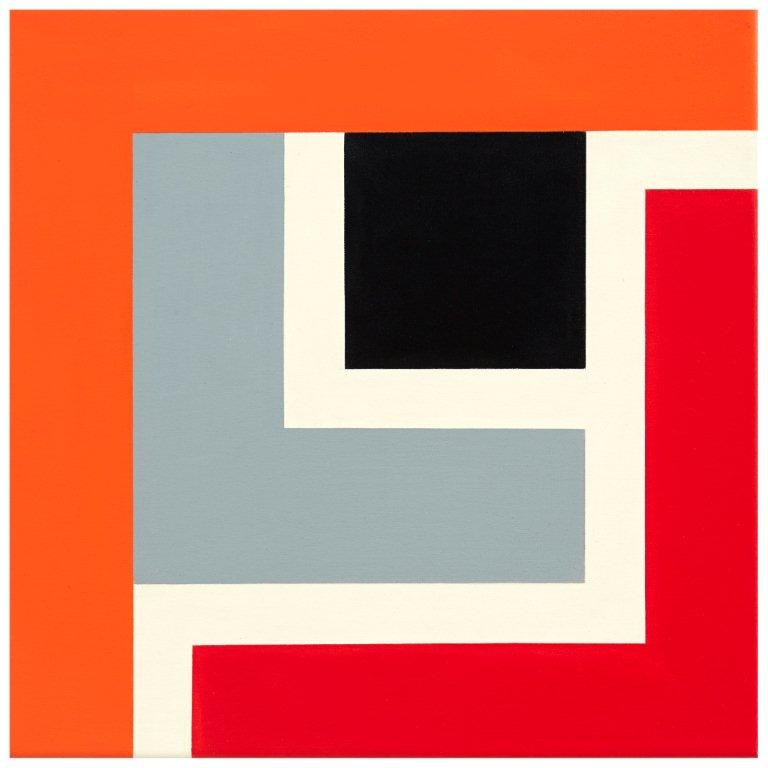
65. Mary Webb

Utah XI, Oil on canvas, 45 x45 cm, 2014

When I was selecting this painting I recall that is was one of a series of works that in concept and appearance were similar to each other. All the paintings are on square canvas’s which are divided into straight lined rectangles, square and L shapes. The blocks are painted in single colours consisting of, toned down, red, orange, black and grey and the dividing lines are left white. The overriding link between the paintings is partially in common title ‘Utah’ and the homage that they pay to the paintings and ideas of Piet Mondrian.

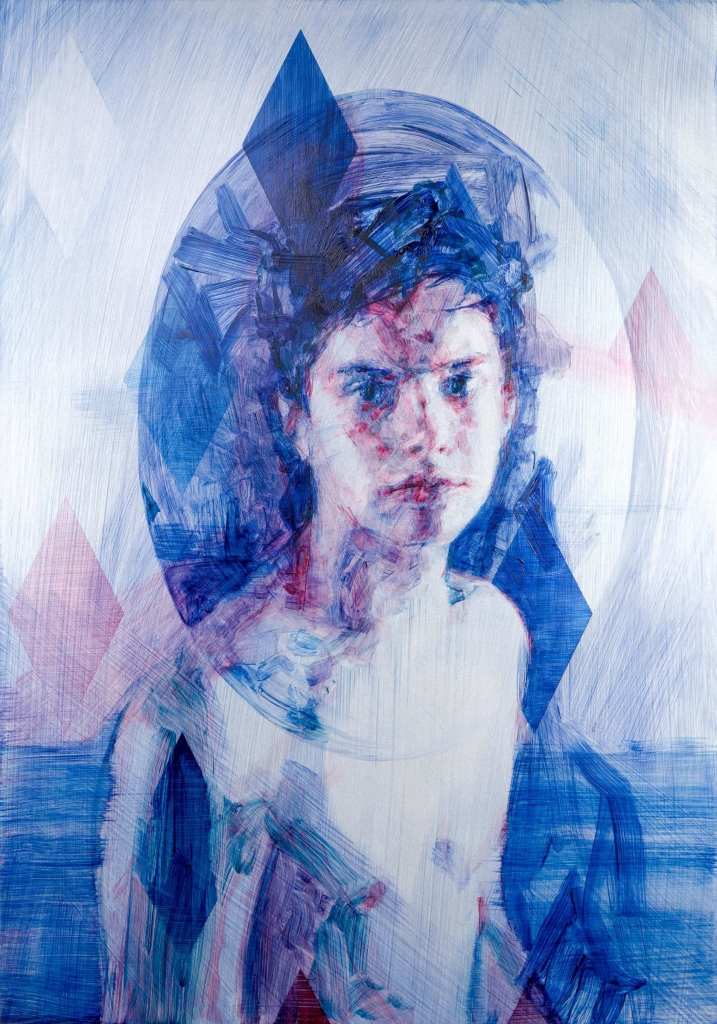
66. Casper White

We try to feel it out, Oil on aluminium, 100 x 70 cm, 2019

With a minimal palette of colour, basically blue and red on a white background, the paint has been loosely scrapped and applied in layers to build up a haunting image. The figure emanates from intense gazing eyes that draw you towards the face. It is only when you manage to look away from the eyes and head that you notice that the body supporting it is really not there.

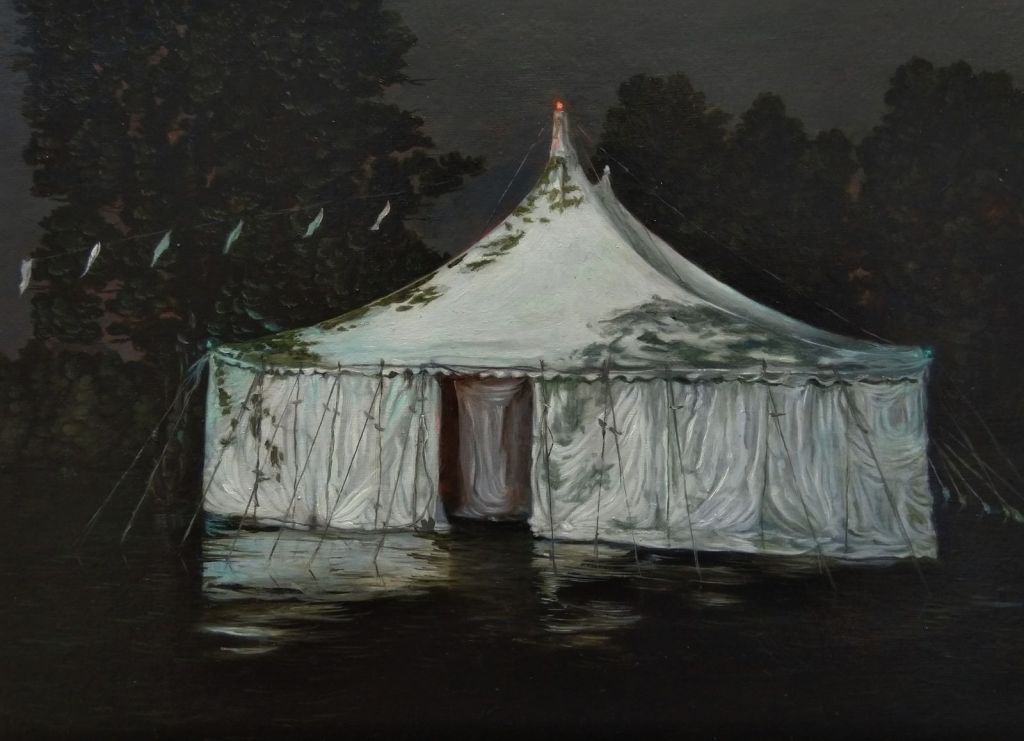
67. Joanna Whittle

Ghost lights, Oil on canvas, 16 x 22 cm, 2019

This painting is one of a series where Joanna Whittle uses Marquees, tent and big tops in imaginative and slightly surreal ways. The painting above is a good example of where a seemingly banal subject matter is raised to an object of shimmering beauty which also suggest an underlying menace. The marquee has a ghostly demeanour. Its stark whiteness glows against the black background and shadowy exterior and it appears to hover in its space. Large parts of the painting are either dark shadows with minimal flecks of dull grey which emphasises the marquee. The most intriguing aspect is the entrance to the marquee, which is central to the painting. White canvas obscures our view of the dark interior. There is nothing welcoming. What horrors lie within?
68. Sean Williams

It Haunts It, Acrylic on board, 85 x 60 cm,2013

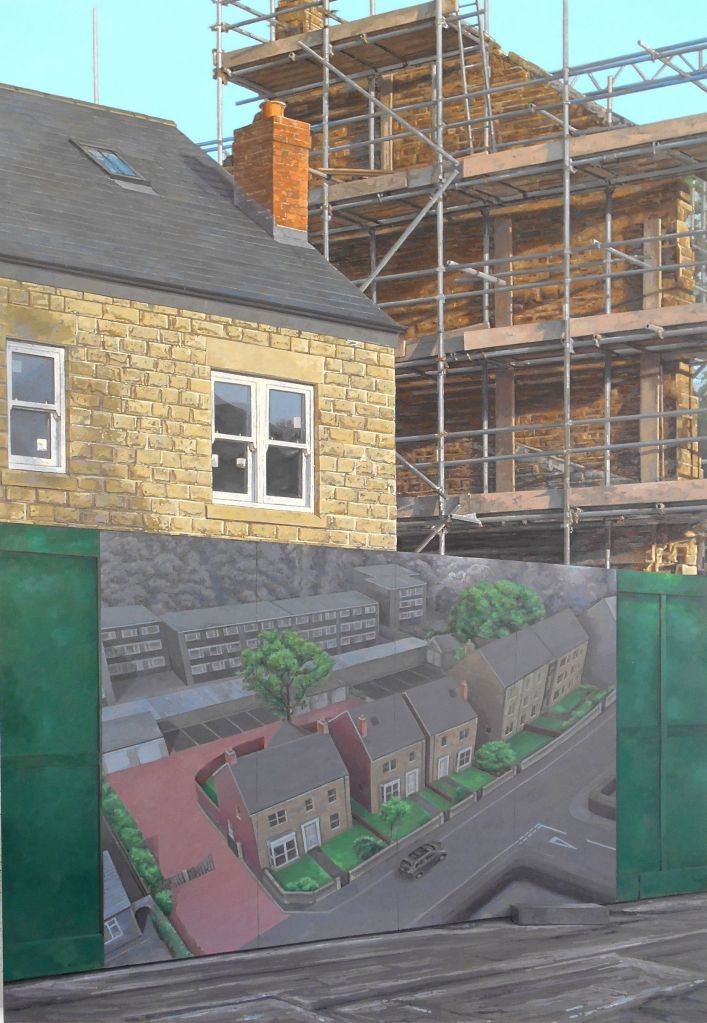
This painting could almost be an advertising photograph for a new housing estate. It is a tour de force in linear perspective coupled with photo-realism but, for me, lacks feeling, it feels cold. The intricate work that has been completed, especially on the scaffolding, has been painstakingly rendered and I suspect took the artist many hours to complete. The title adds an air of intrigue ‘ It Haunts It’ as it raises a question as to what is haunting what? To my mind it is the idealistic, ‘artists impression’, of the housing development which sits in front of the building work which is challenging the builders to replicate it. I also imagine a quiz question asking the where the hoarding is located.

Probables vs Possibles – Category ‘Decay in the landscape’

It is close to decision time when I will need to make the choice of the 8 – 10 paintings that I will submit for Assessment. My Parallel project has been split into two lines of investigation which I have now entitled ‘Decay in the landscape’ and ‘Close up to deterioration’.

This post identifies the paintings that are up for consideration in the category ‘ Decay in the landscape’

My thoughts are that paintings 3, 4, 5 & 7 make the grade.

Painting 27, Setting sun at Sutton bridge

I have included this painting for completeness. It was completed during the time that I was working on Part 6. It is only loosely connected to my Parallel project in that it is a Fenland scene but lacks the element of decay and deterioration that underlines the connection between the paintings. As such I will not be considering it to be included in my Assessment portfolio.

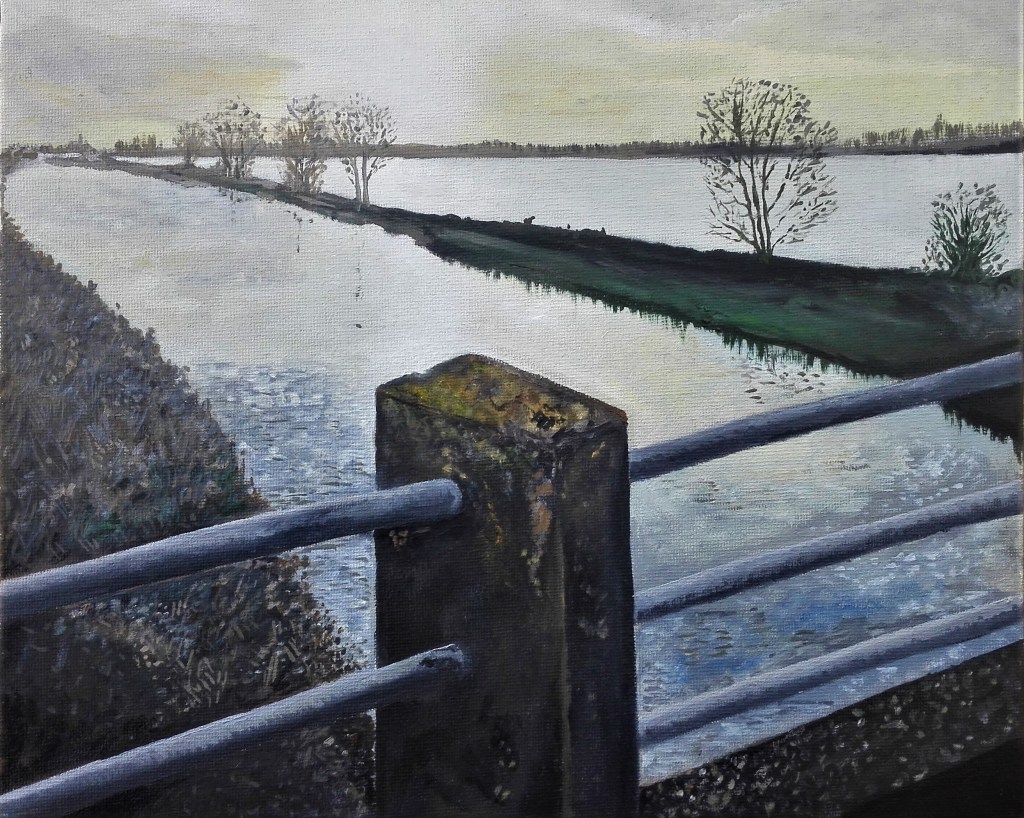
As a painting in its own right it depicts the dull colours and bleakness of the Fenland landscape at this time of year, December. The light is often diffused by the low clouds and lingering mist.

Setting sun at Sutton Gault, Aqua oil on canvas board, 8 x 10 inches, 2020

Painting No 26, Goodnight

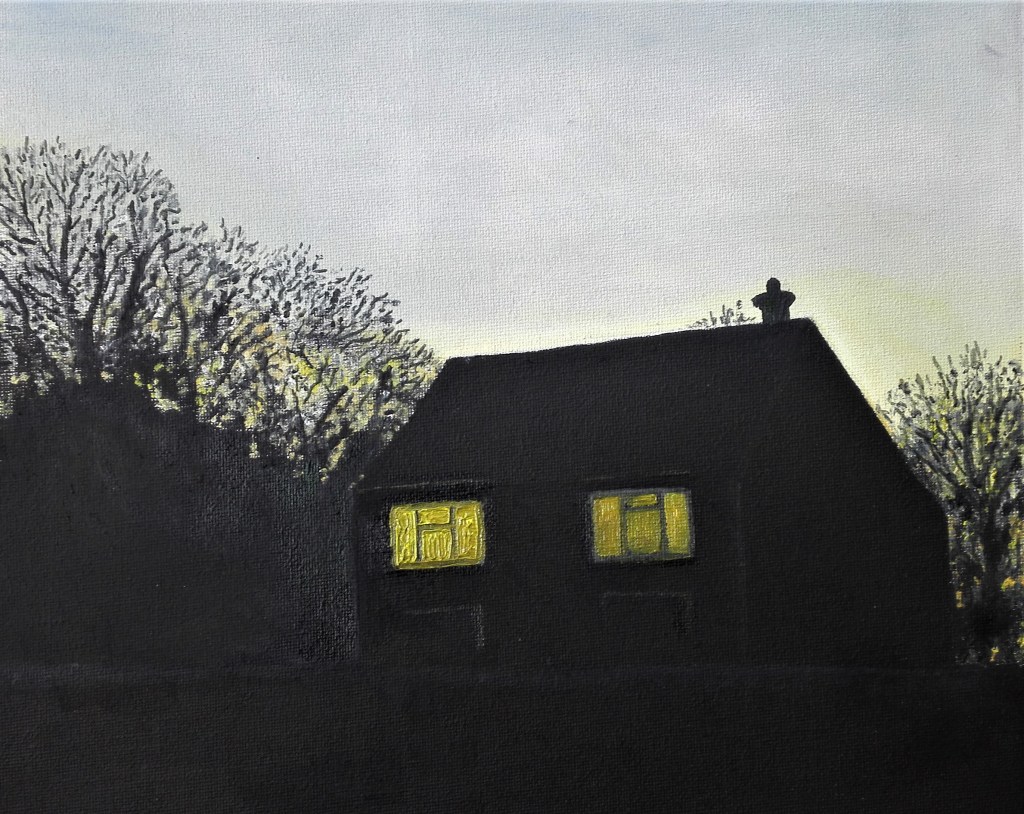
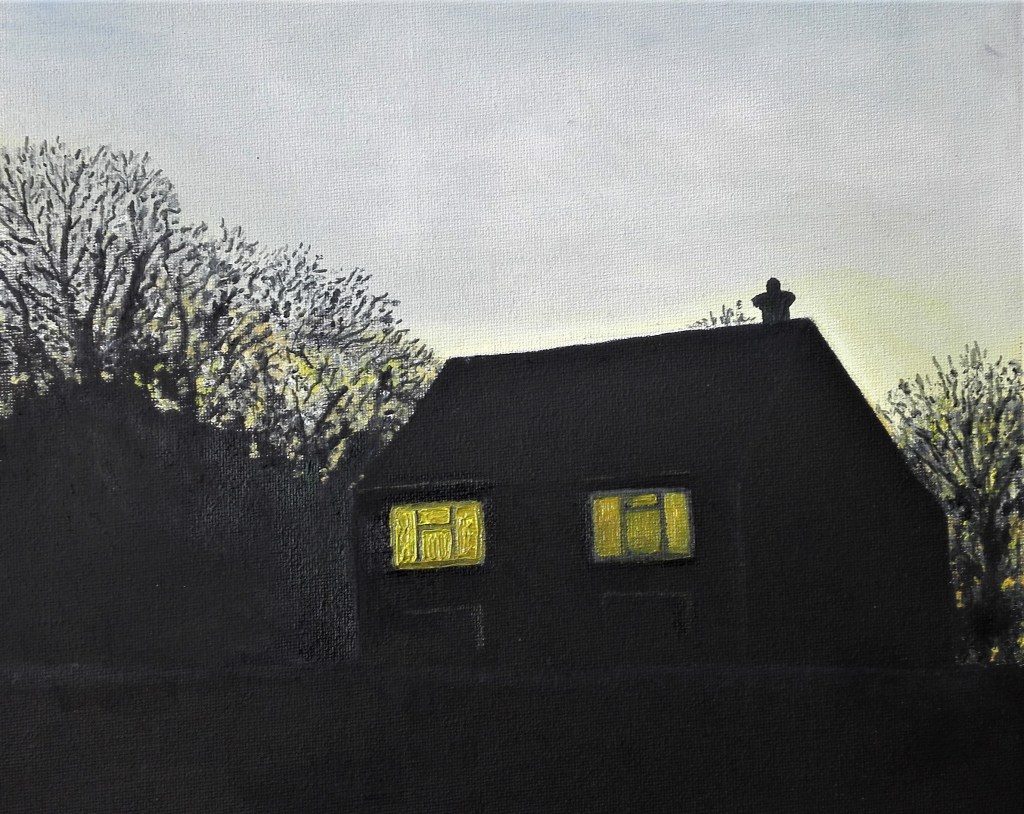
This painting is the result of a photograph that I took whilst on a late afternoon walk in November. It was a clear sky and the sun was fast disappearing. The bungalow was silhouetted against the sky with the one window brightly lit from inside. The painting doesn’t fit into the subject matter for my Parallel project and as such it will not be considered for submission. I have documented here only for the purposes of completion.

Goodnight, Aqua oils on canvas board, 8 x 10 inches, 2020

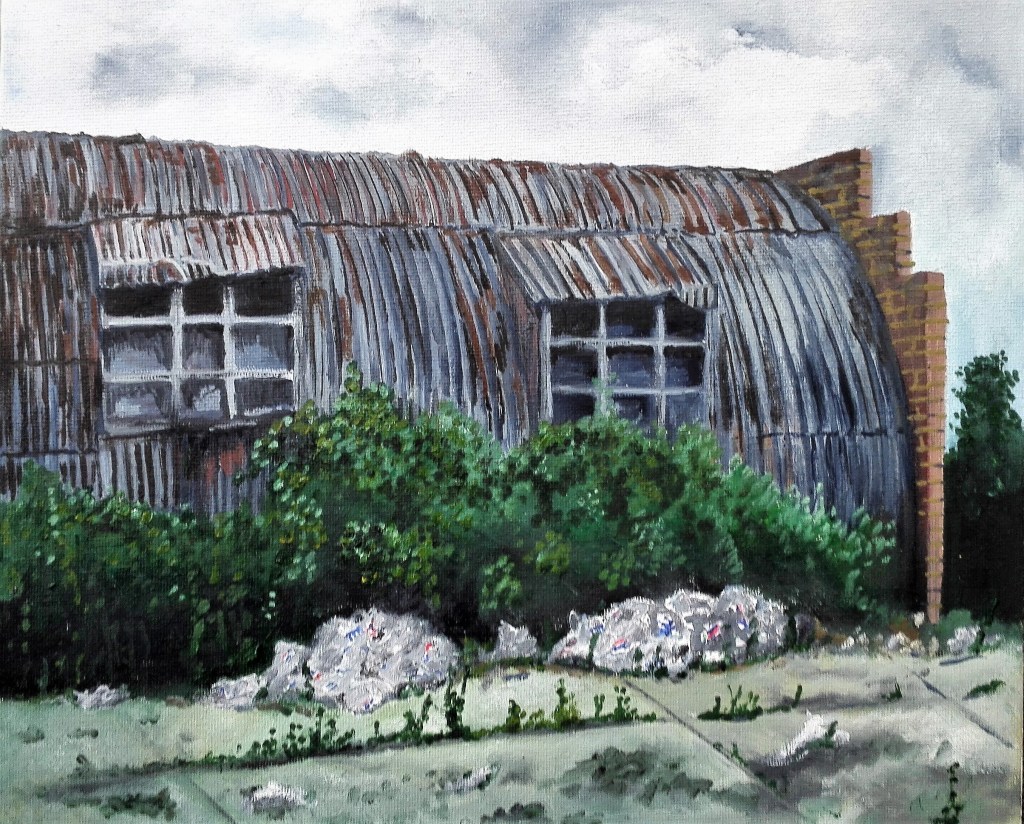
Painting No 25, Rubbish

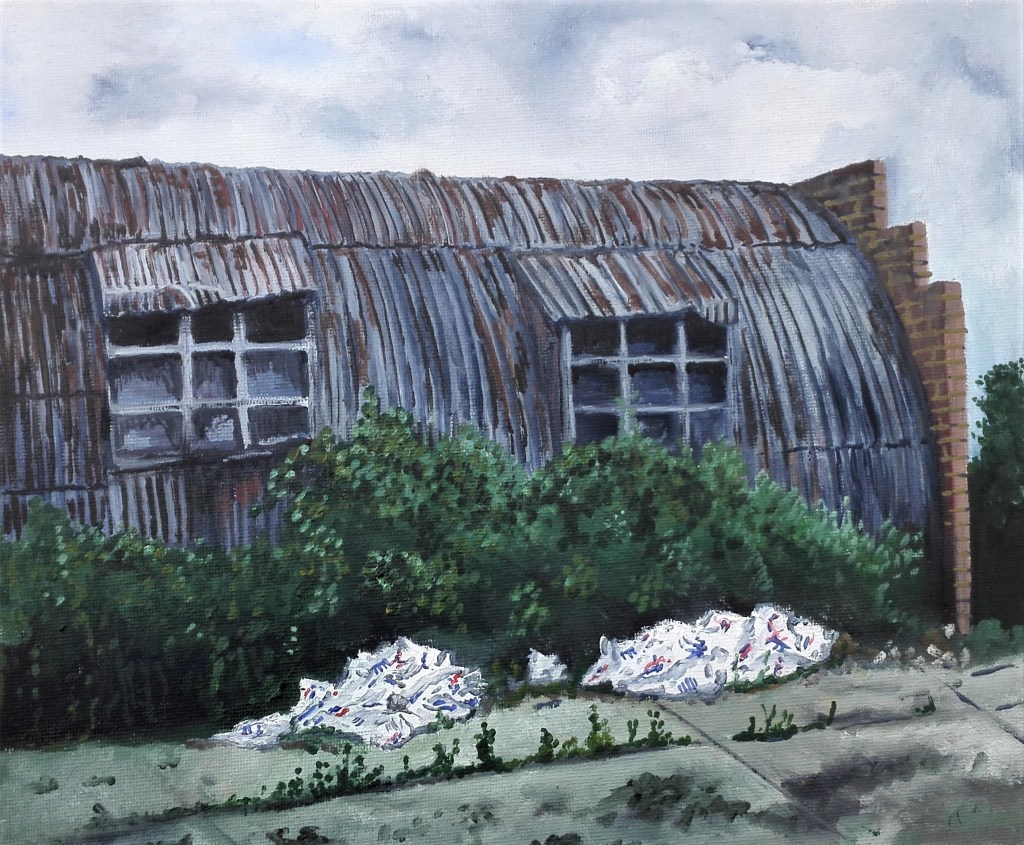
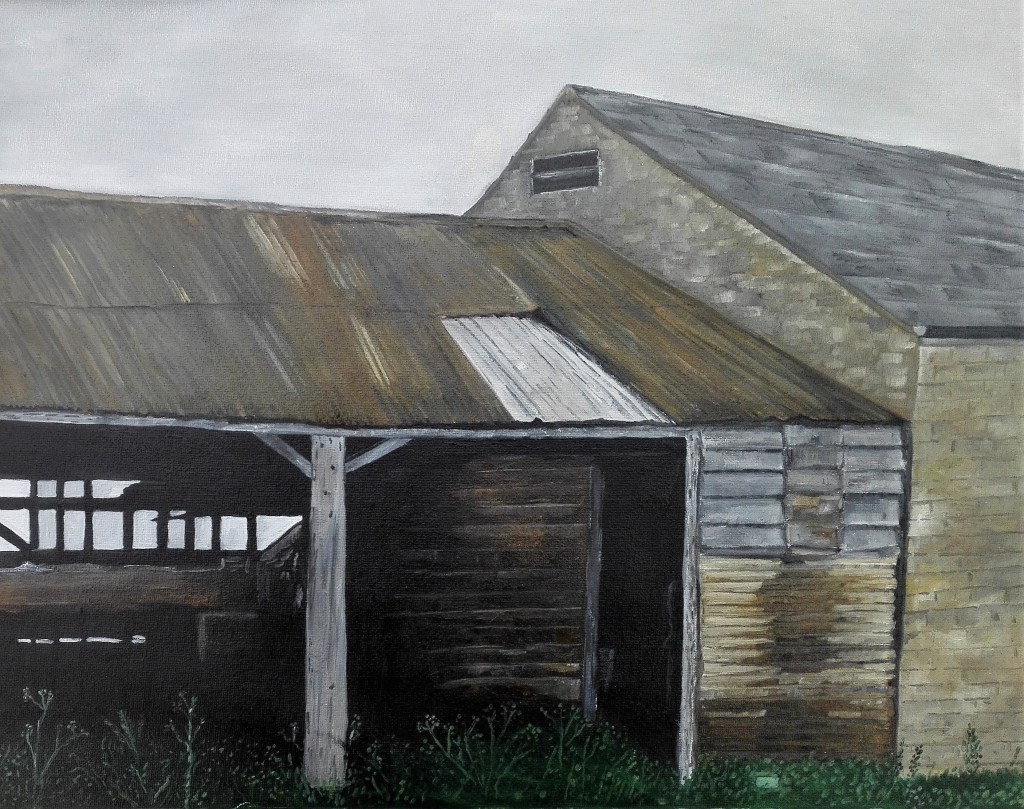
A further painting in my dilapidated building series and certainly one which will be in consideration for assessment submission. In this example there is a dual focus. The first is on the rusting corrugated iron which is the fabric of the building. The second on the detritus littering the ground outside the building. Where ever you look in this painting there is nothing to suggest that it is looked after or cared for. This gave rise to the simple title Rubbish.

Rubbish, Aqua oil on canvas board, 10 x 12 inches, 2020

Painting No 23 – Padlocked to keep you out or something in?

This painting is somewhere between my two Parallel project painting focuses as it it is neither a dilapidated building in a landscape or a close of machinery presented in a semi abstract manner. As such I am undecided as to whether it should be considered as part of my submission for Assessment.

The topic for this painting is somewhere in between. The subject is self explanatory, it is the bolted door on a building. In this particular case it is a farm building but it could just as easily be a commercial building or a garden shed. What attracted me to this image was the question of whether it is locked to keep us out or something in. This question is not answered, just proposed. It is the dark interior hiding behind the fixed bolt which suggests intrigue. I painted this in a pictorial manner to prevent the scene becoming too ambiguous.

The painting:

Padlocked, to keep you out or something in?, Aqua oils on canvas, 8 x 10 inches, 2020

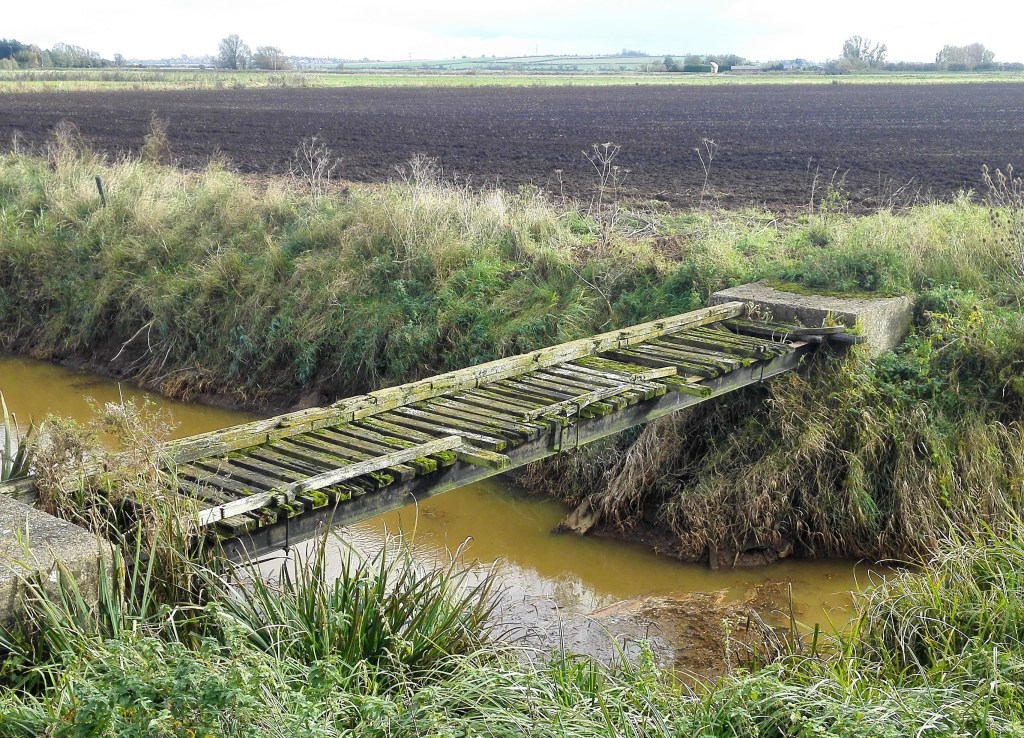
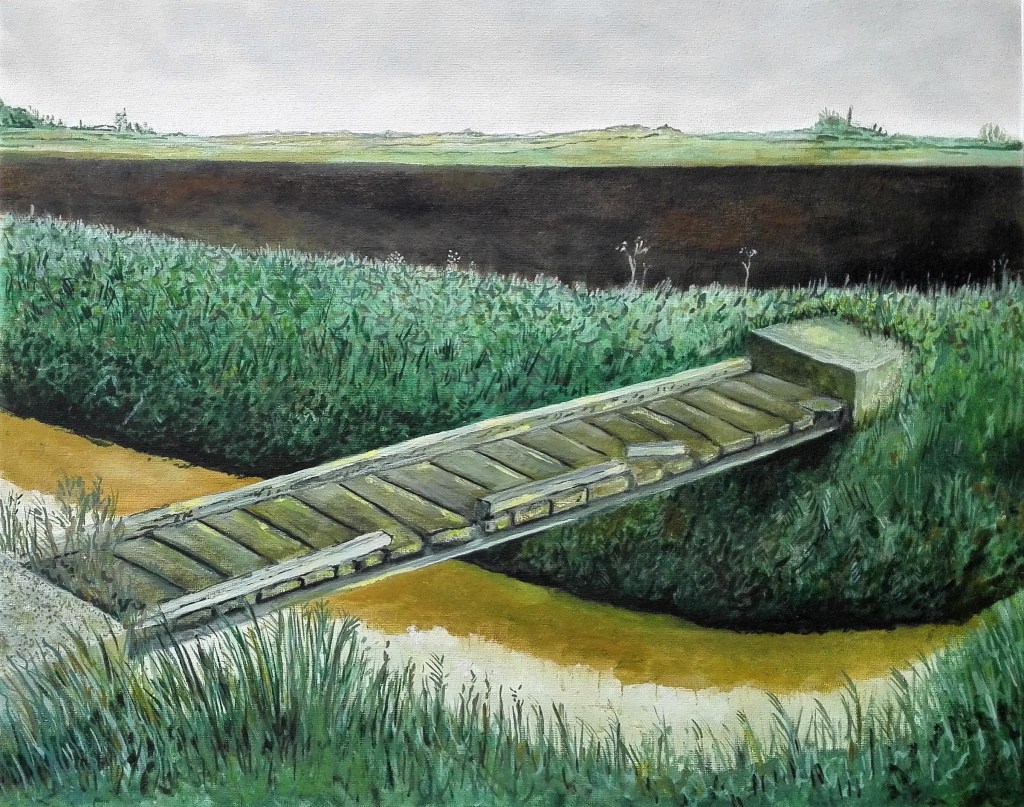
Painting No 22 – Bridge to Nowhere

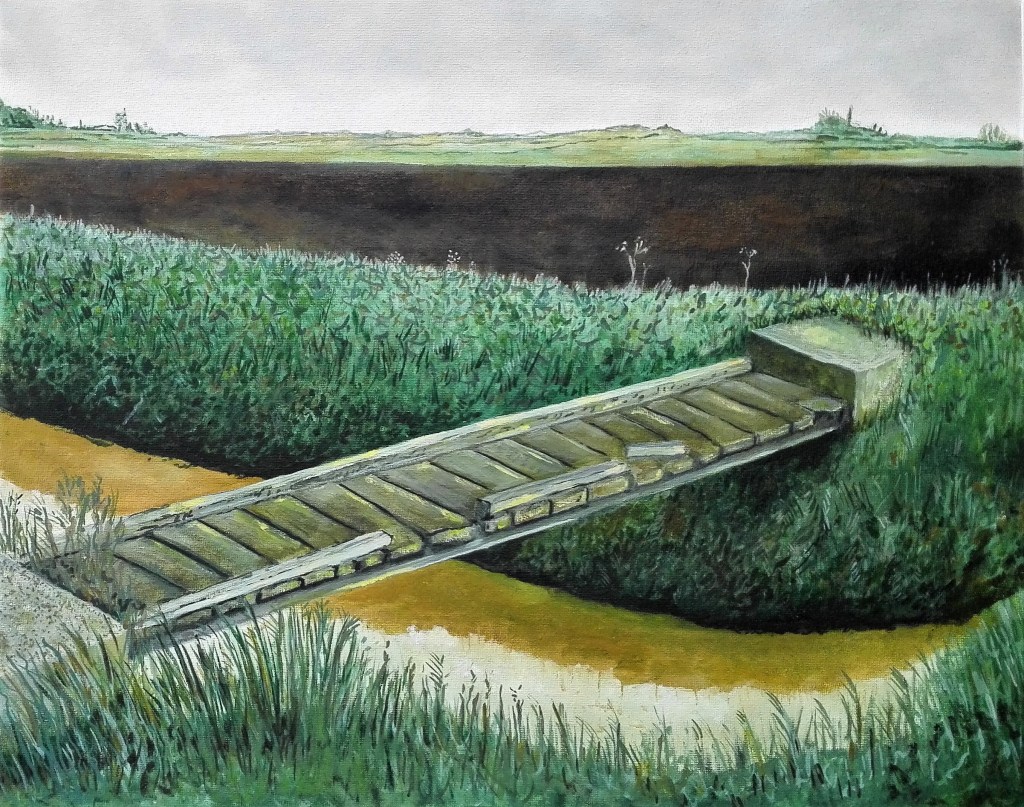
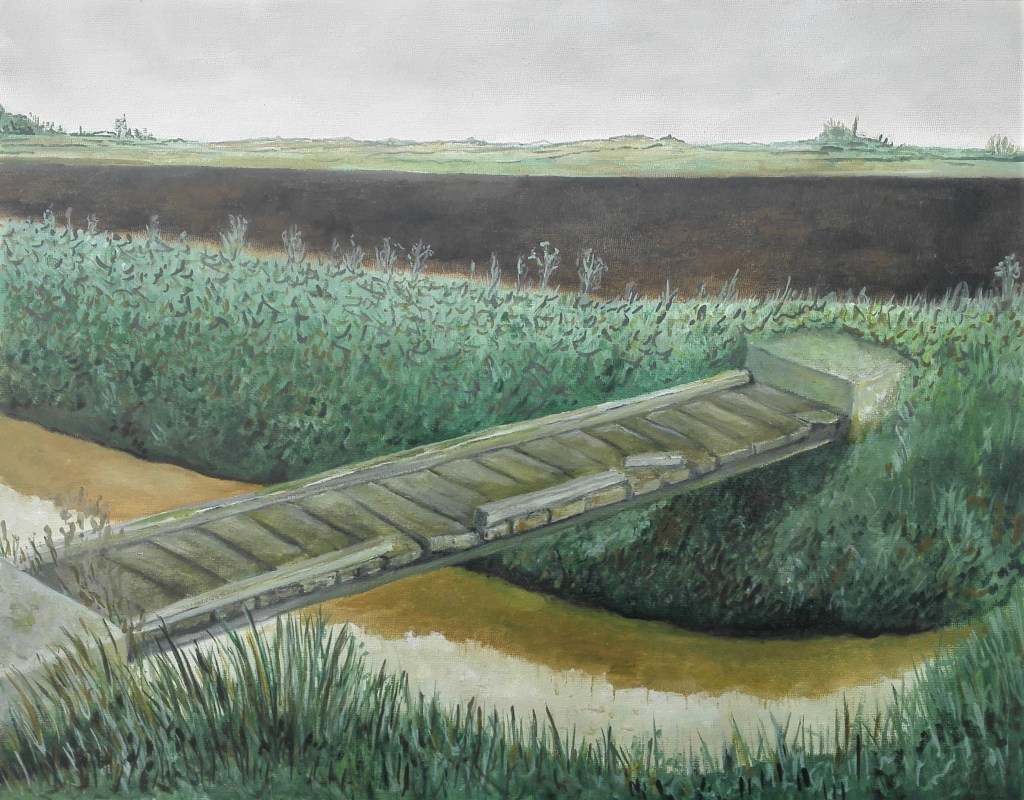
A further painting in my series of works towards my Parallel project. This is a composition that I had considered painting for some time but had not done so as I felt unsure whether there was enough in it to make it successful. I intended the focus to be primarily on the bridge and it’s state of decay and unsuitability for purpose. I also liked the idea that it appeared to lead to nowhere. In the photograph that I used for reference these facets seemed evident.

Photograph for Bridge to Nowhere

The painting that I completed is less than successful. To me it fails on a number of levels. The colour palette whilst being coherent lacks the subtlety of the photograph. The tonal variations in the photograph are slight whereas my painting is less so. However the main issue is the perspective of the bridge itself which although seeming to work within the painting is wrong. Despite the painting not being of a standard suitable to be considered to be part of my portfolio for Assessment submission I do feel that I learnt some lessons in what not to do whilst painting it.

The painting is shown below.

Bridge to Nowhere, Aqua oils on canvas, 16 x 20 inches, 2020

It seemed a waste of effort not to try and improve this painting so I set about rectifying the area that I felt were disappointing. This included repainting the perspective lines on the bridge and toning down the lines whilst improving some of the highlights. Additionally I made further definition to the grass and reeds and the banks and lastly improved the definition and aerial perspective of the background. Having completed this I am less disappointed with the painting and feel that it stands up to some of my other work.
Bridge to Nowhere, Aqua oils on canvas, 16 x 20 inches, 2020