I have found Part Five a challenge in so much as it has forced me to confront how I approach my art practice. In doing so I had to use words to explain what it is I am trying to do, why it is important to me and whether I have been successful in achieving my aims?
Whilst considering how to approach this final assignment for the course I was tempted to move away from the approach that I have adopted throughout. This being to look for a solution whereby it involves painting. Should I challenge myself to create a work that was outside these confines. If so what could I do that would meet the criteria assignment?
To answer the questions raised above I reviewed the work that I had completed for Part Five, ‘Cut up technique’, ‘The role of the title’ and ‘Writing an artists’ statement’. Did I want to expand upon the work that I completed for these exercises? It was the upon re-reading my artists’ statement and reflecting on it that my mind was made up. Within my artists’ statement I clearly stated my interest is in painting the Fenland landscape. With this in mind I looked to try to incorporate ‘words’ into a painting or paintings. The additional advantage to this approach was that, if the paintings were successful, they would also be an addition to my Parallel project.
I decided make two paintings, one for each of the two ways that I try to depict the Fenland landscape, the landscape as seen and a close up study. After completing a review of some of my photographs I settled on two that met both my artists’ statement criteria and also included words.
The first was a close up of a another part of the old pumps which I have used in previous studies. The second a landscape scene which included signage.
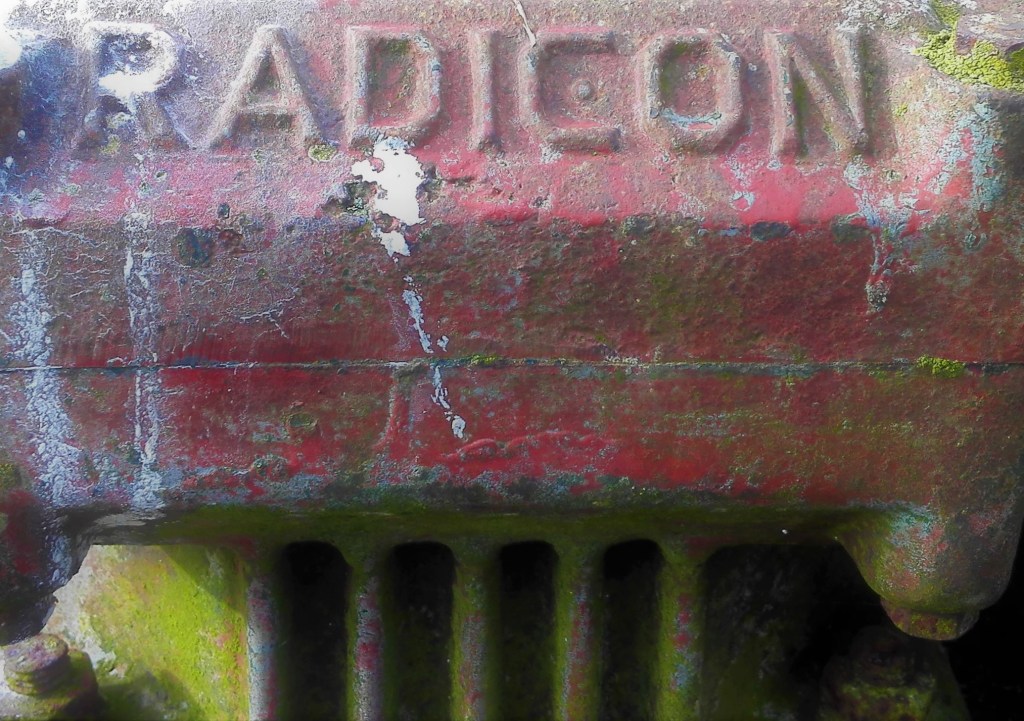
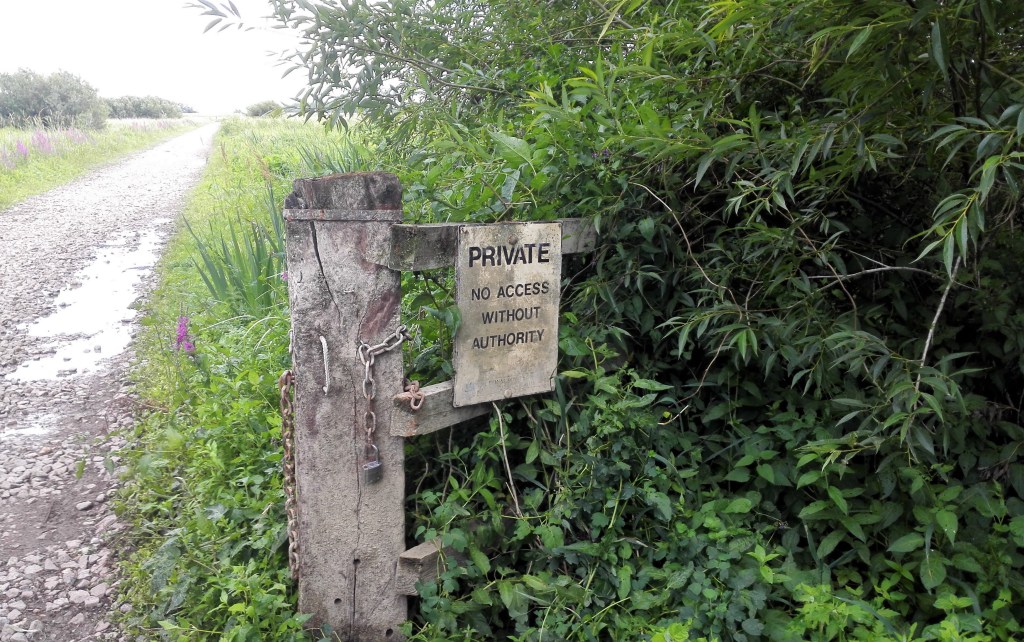
I have noticed that my approach to these paintings is becoming more refined in that I have developed a technique which enables me a route into the painting. This approach starts with a covering the support in paint whilst mapping the main colours and tonal highlights. The next step is to focus on the darkest area and to work up the detail in gradual steps. Once this part is completed I will work on sections of the painting and define colour, shape and texture. All the time I am cognisant of the whole painting and the need to keep the overall feel consistent.
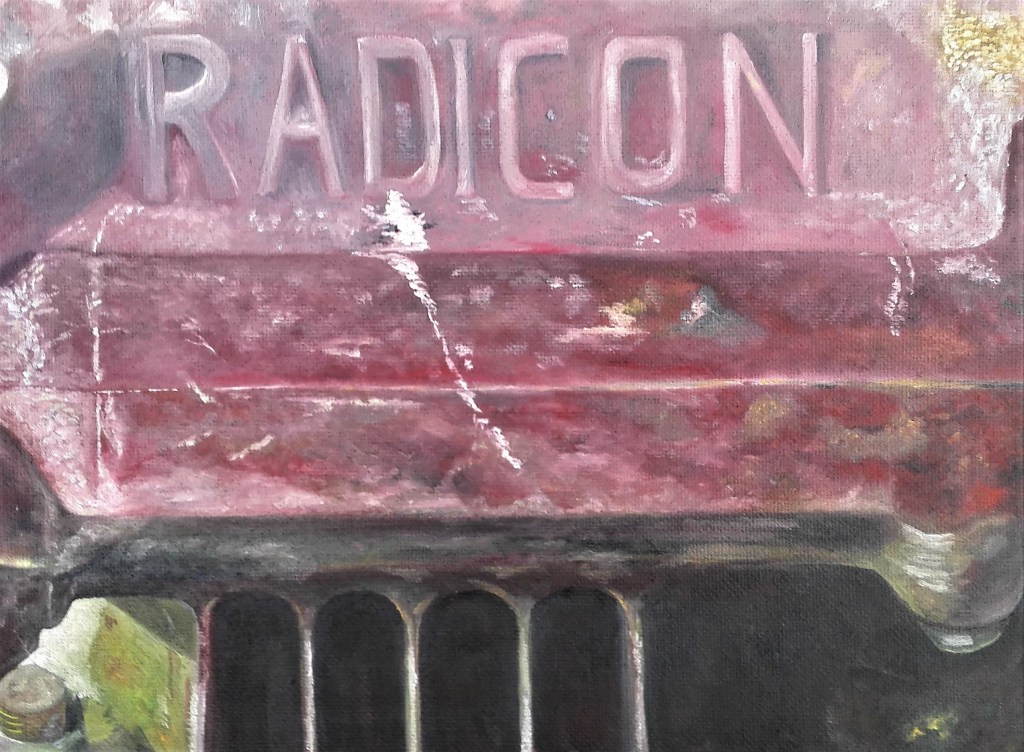
The first painting which I have called ‘Radicon’ for obvious reasons, I assume that this was the name of the company which manufactured this piece of machinery. I took three photographs of the work in progress.
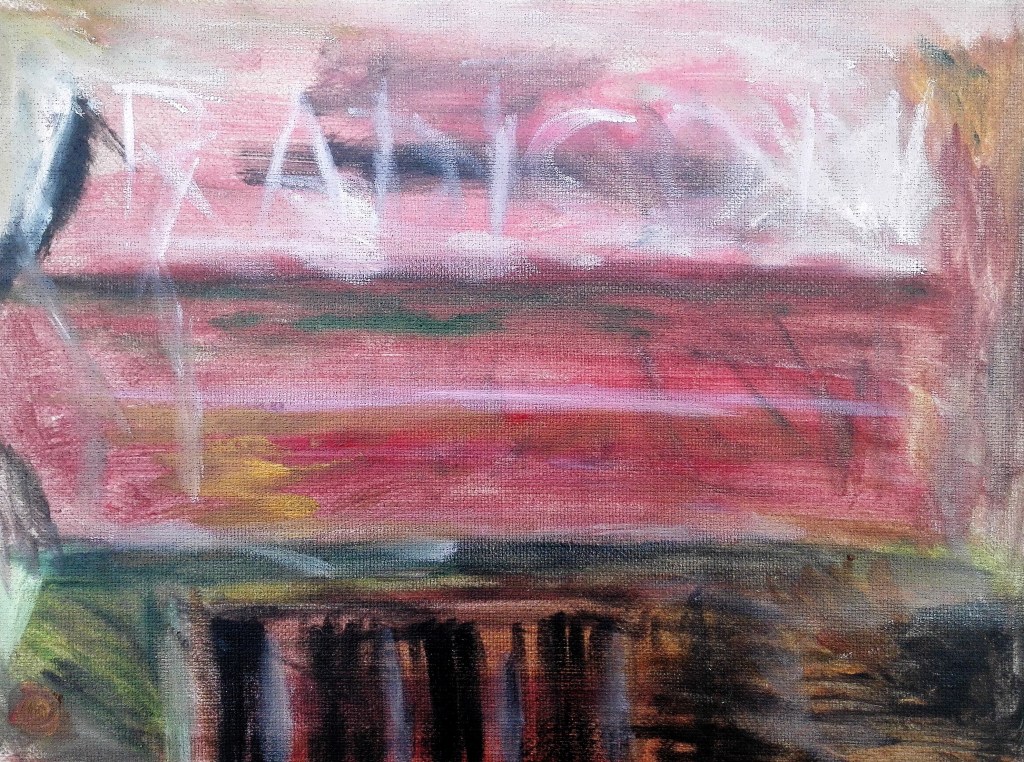
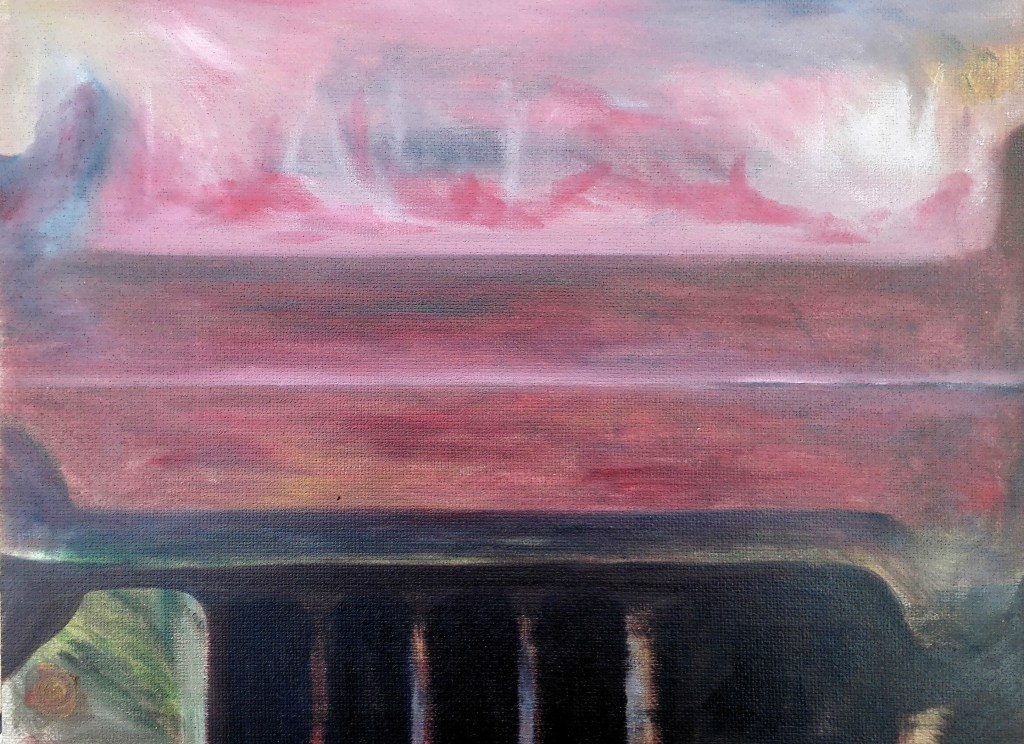
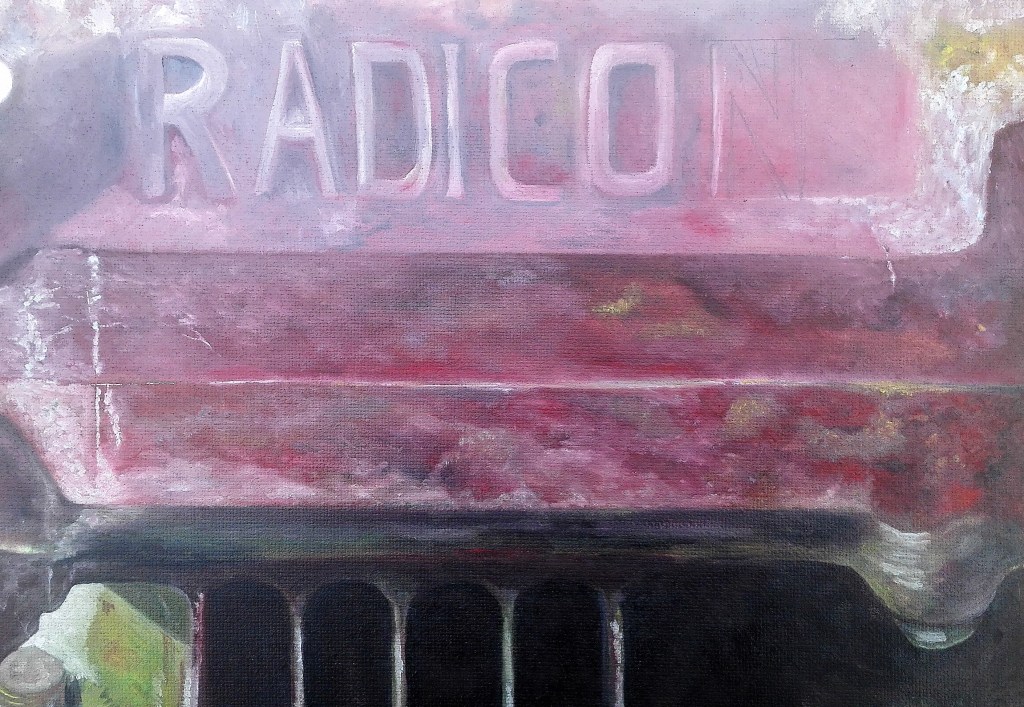
The finished painting, shown below, has a number of aspects in which it meets my criteria. There is a pictorial element to it, the bottom third invites a closer inspection and the light from the left is well handled. The title is clearly depicted but it doesn’t give much if a clue as to what it is.
For the second painting the title ‘Pathway near Purl’s bridge’ is descriptive. The inclusion of words in this painting is a bit forced. Do the words add anything? In an earlier stage of the painting they did the opposite in that they distracted and made the painting as a whole look more like an illustration. I had added a nameplate to the fencepost so as to add some further interest. This also promoted the illustrative quality.
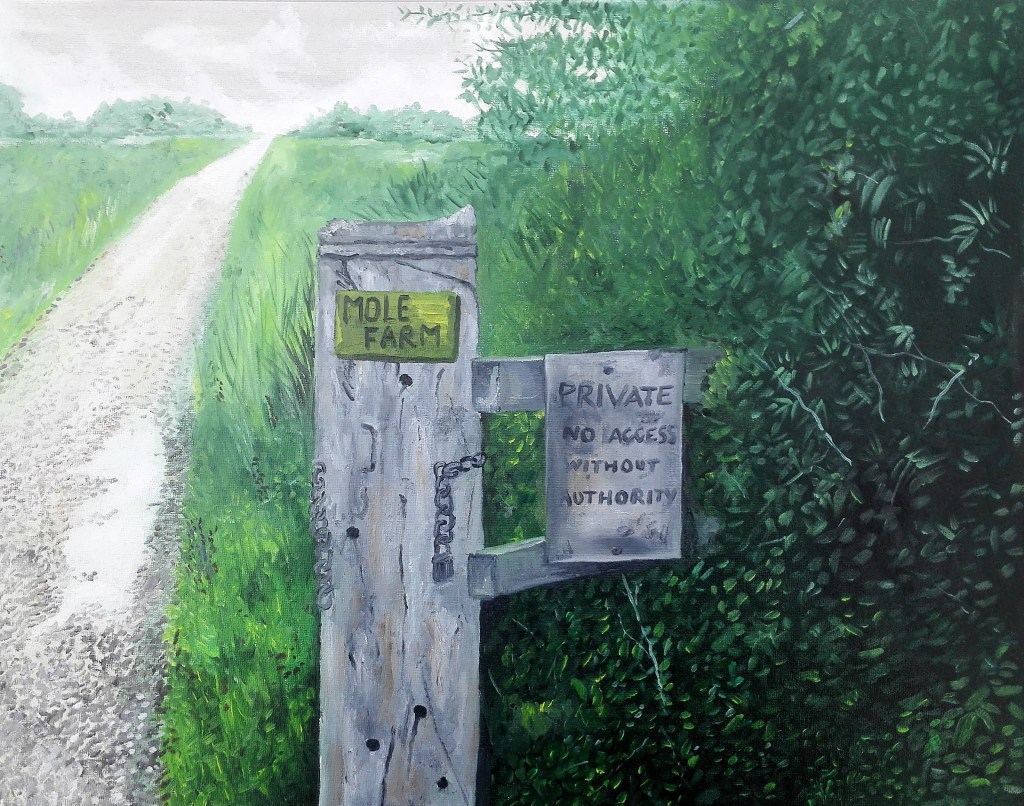
To complete the painting the signs were made to look more weathered and the light toned down. The completed painting, below, meets both the assignment criteria and that of my Parallel project.

 Mark Taylor 'Studio Practice'