I have separated the blog for this exercise into three parts. The first, this one, will look at the research and inspiration that I referred to complete the exercise. This research lead, in turn, to the sketches and experimental paintings and then onto the two paintings that I completed.
The subject of reflections, reflected images, reflective surfaces is a source of interest and fascination for me. I find interest in how light is turned upon itself to create mirror images of objects. The flat landscape of the Fens, where I live, is magnified in the reflected light in the water. This creates a grand canvas upon which the landscape and nature of the Fens can be observed. As I work through this course and consider potential topics for my parallel project I am increasingly drawn to focusing in on reflections in water.
I have used mirrors in my paintings and sketches in previous courses as can be seen in the sketches and paintings below.
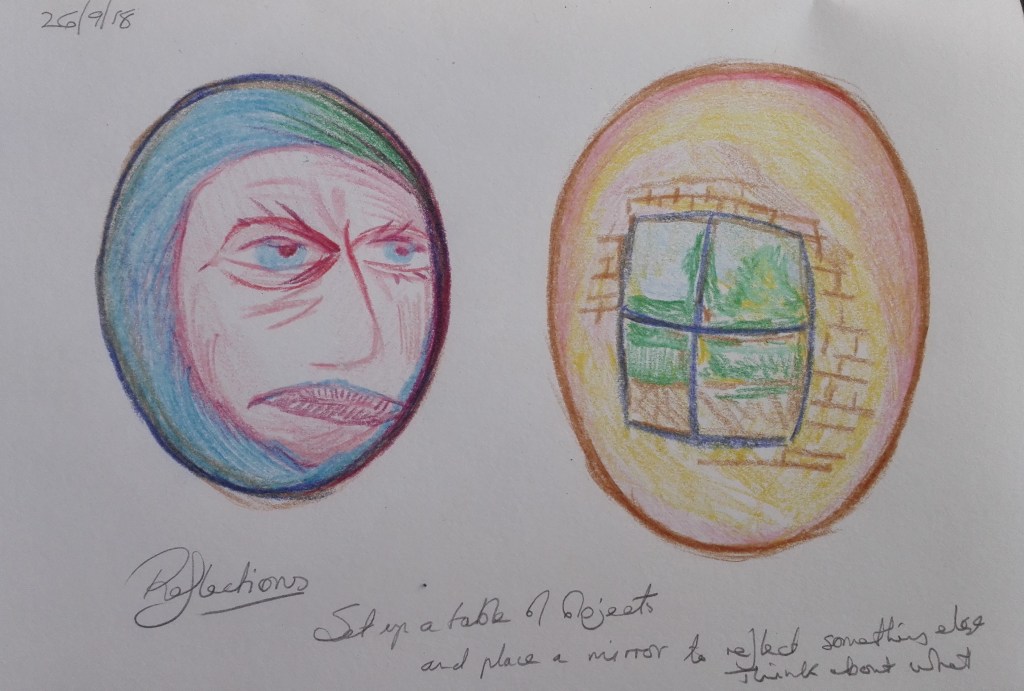

The topics explored in these sketches and paintings will be explored in the first painting that I produced for this exercise, see blog 3. The use of mirrors is a device that has been used extensively in art history. I am reminded of both Van Eyck and Massys.

Having attempted to bring reflections into my paintings with varying degrees of success I looked for examples of artists who performed this successfully.
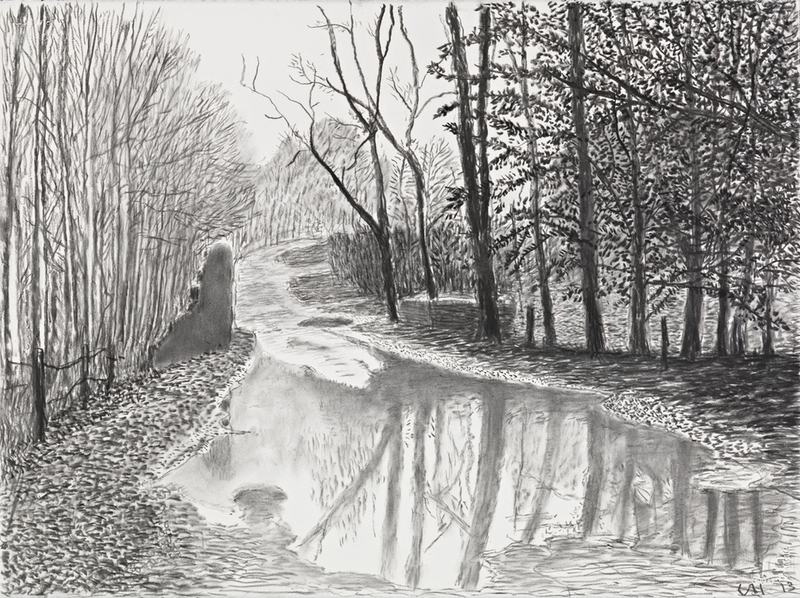
The first example, which I recalled from visiting the David Hockney exhibition at Tate Modern in 2018, was one of his large charcoal drawings of Yorkshire. A rain puddle on the roadway is used to give the drawing depth, scale and interest.
A further example is the work of Covadonga Valdes who, it was suggested, that I research as part of the feedback I received from Assignment 2.
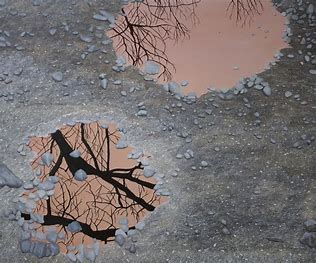
Just two examples of many that have helped to inspire and challenge me.
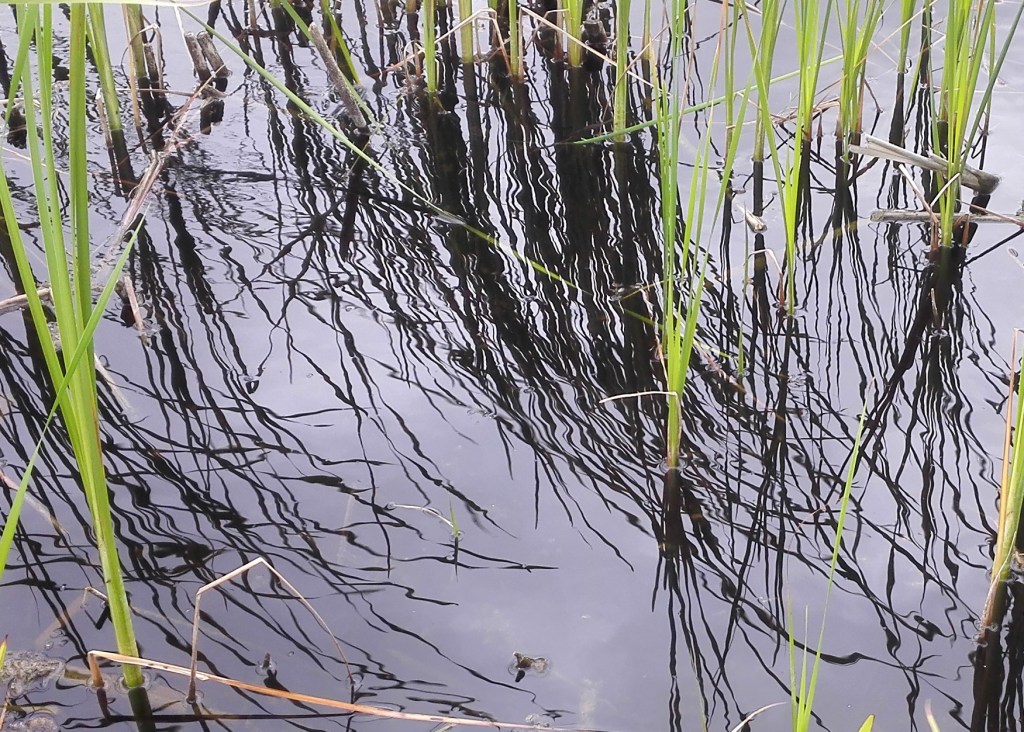
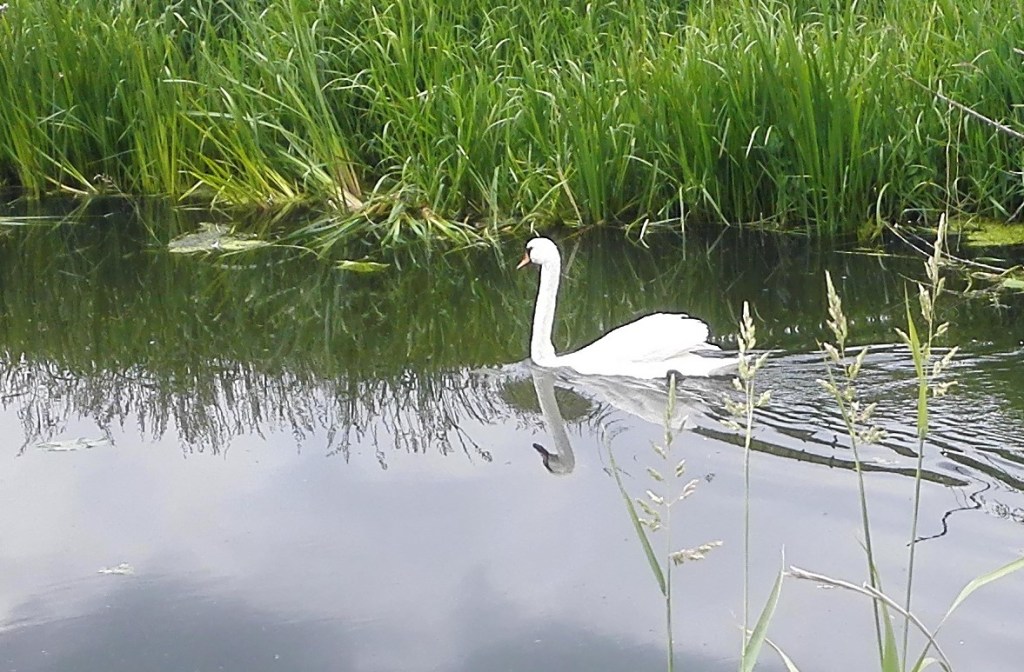
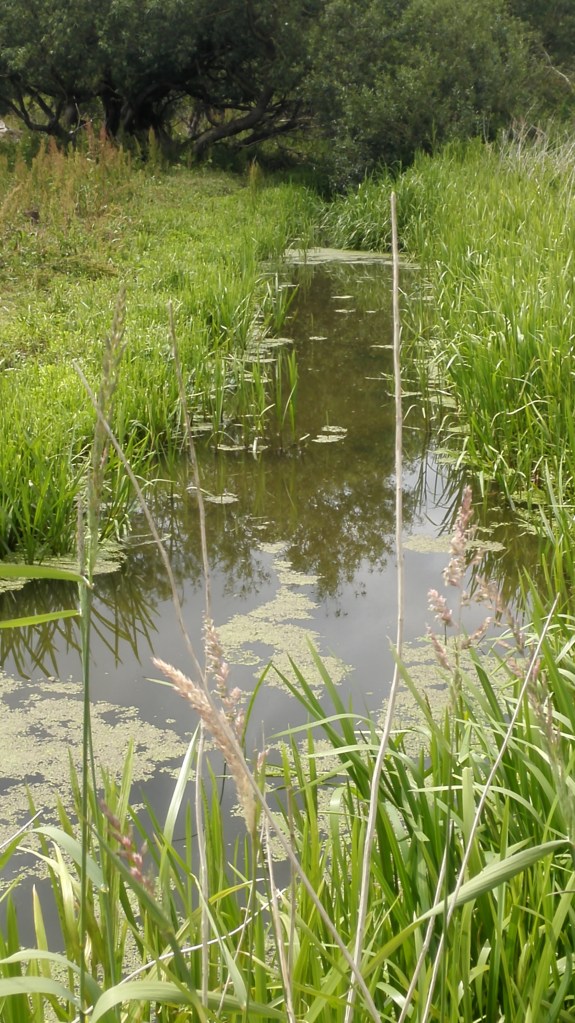
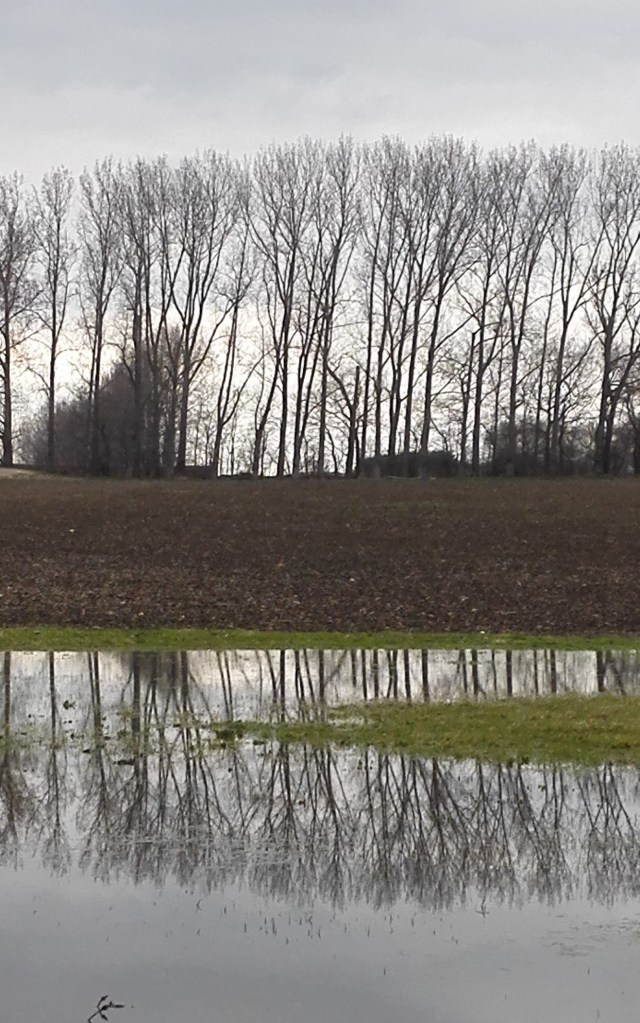
The continual source of inspiration and fascination, as touched on earlier, is the Fenland landscape where I live. I have numerous photographs which I have taken over the years which explore the reflections. Some of these are close ups others look at the landscape from a wider, larger perspective and use the reflective qualities of the water to expand the view. The examples below are recent additions.
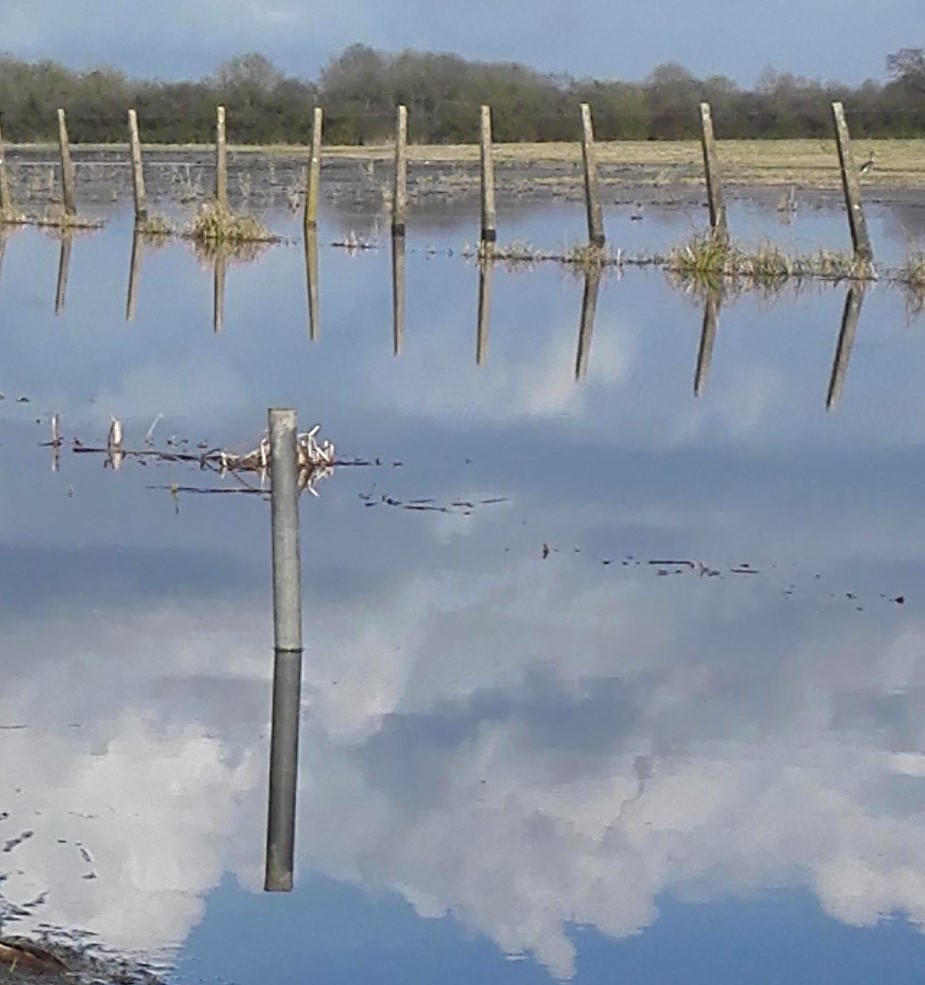
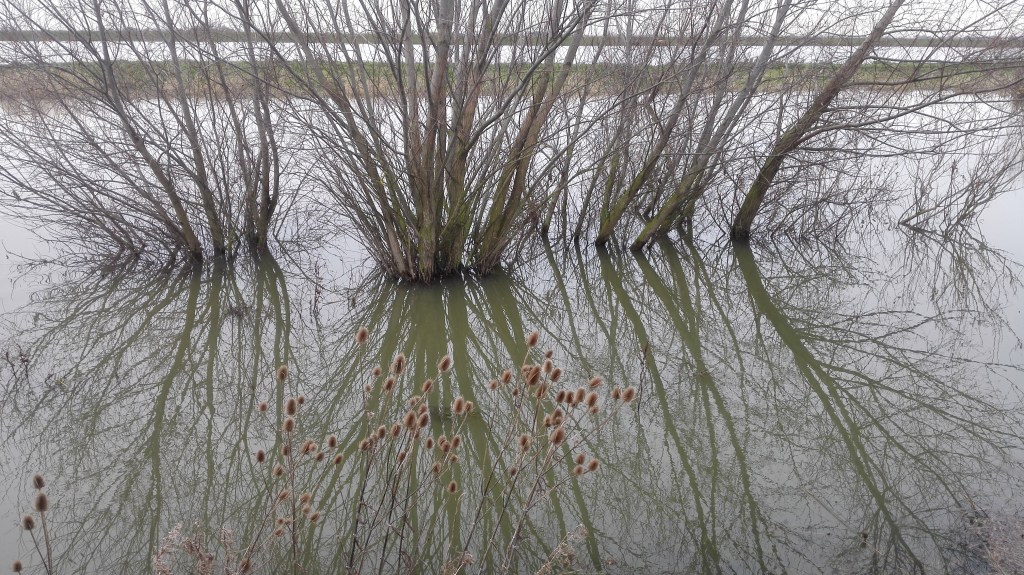
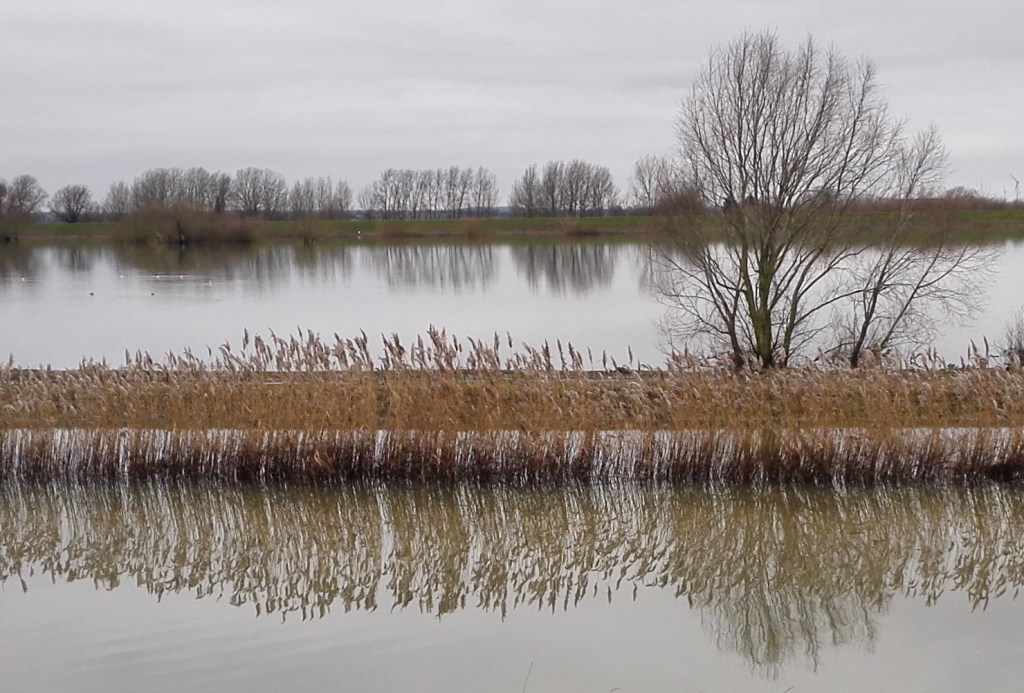
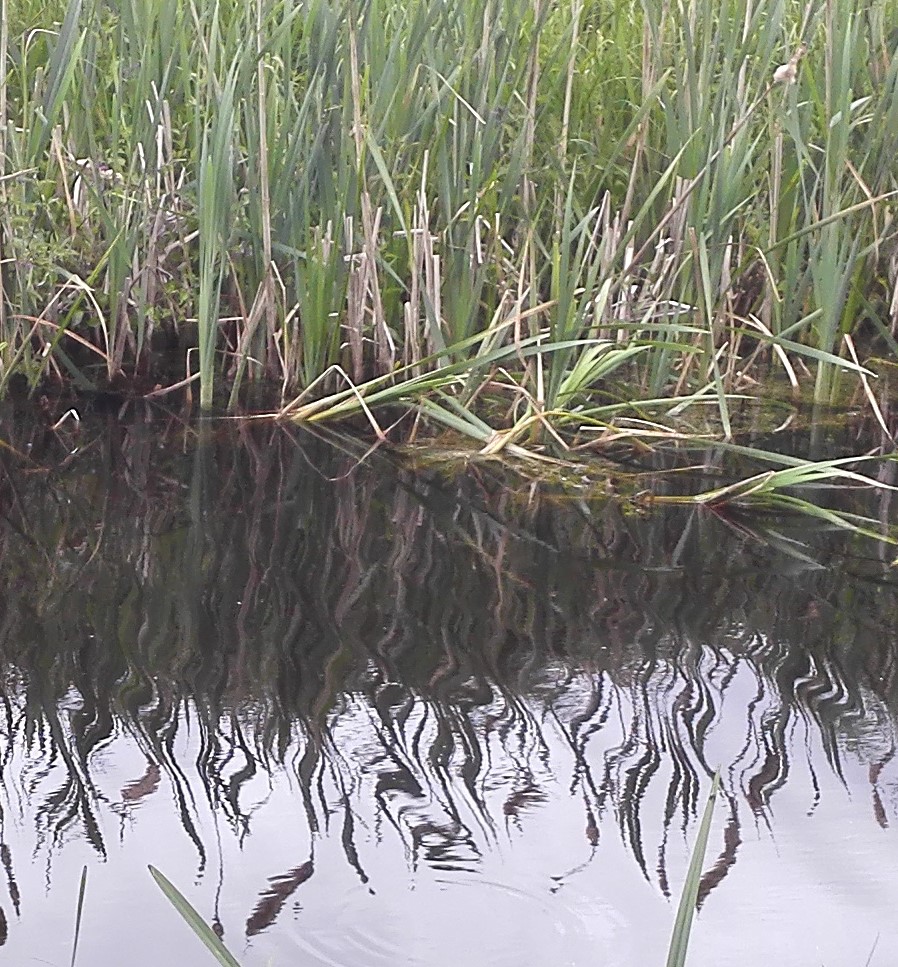

I will continue to use this resource to educate my practice.
 Mark Taylor 'Studio Practice'